
Collaborative Conservation Approach for Endangered Reef Fish Yields Dramatic Results
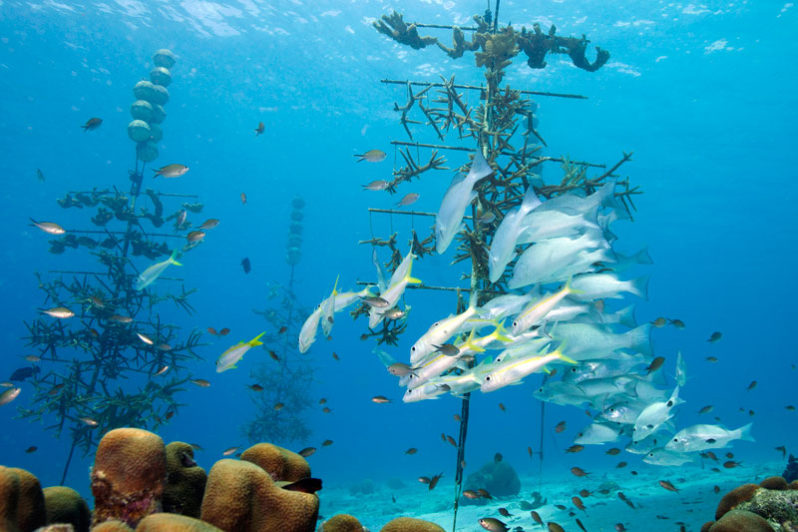
Nassau Grouper populations increased threefold in response to dynamic fishing management actions in the Cayman Islands
Integrating social and ecological science for effective coral reef conservation
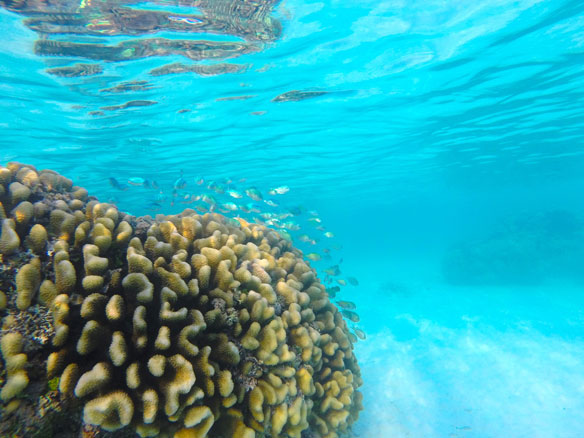
While many conservation plans focus on only environmental indicators for success, a new coral reef program is trying a relatively new approach: focusing on both social and ecological processes and outcomes to ensure a long-term future for coral reef systems.
Gulf of Mexico coral reefs to protect from storm surge in the future — But will they?
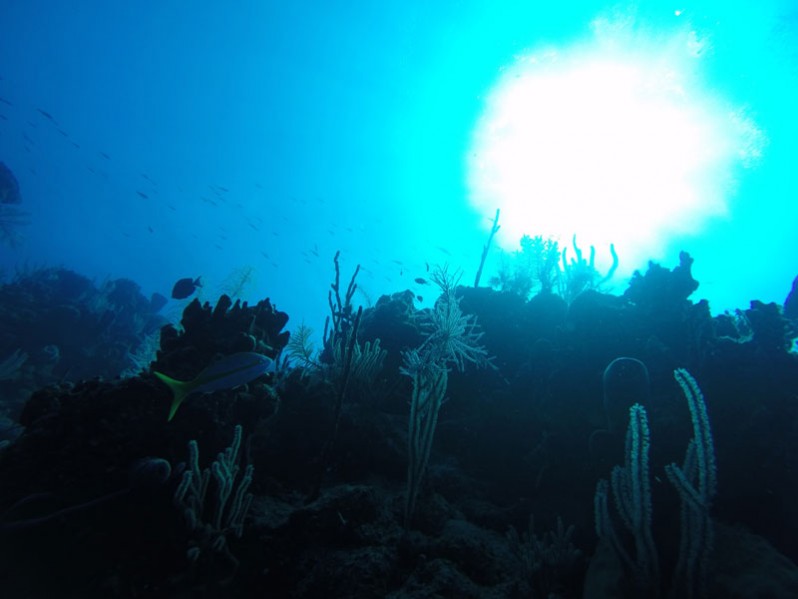
Coral reefs support 25 percent of all marine life around the globe. Those in the Gulf of Mexico, along the coasts of Louisiana, Florida, Texas and Mexico, serve as important barriers to storm surge, lessening the impact of dangerous hurricanes.
Great Barrier Reef study shows how reef copes with rapid sea-level rise
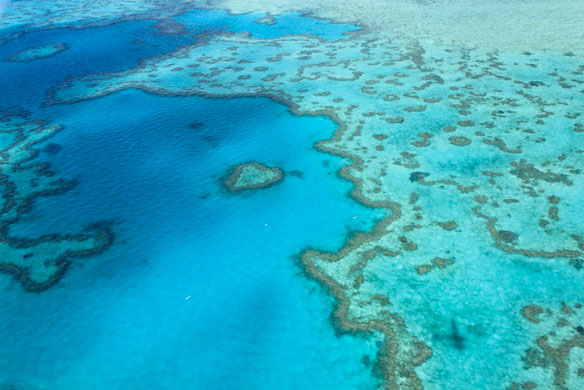
A survey of coral reef cores on the Great Barrier Reef has revealed how it has responded to recent periods of rapid sea-level rise. The study, covering the past 9000 years, has revealed a system in delicate balance.
Republicans seek to overturn Key West ban on coral-damaging sunscreens
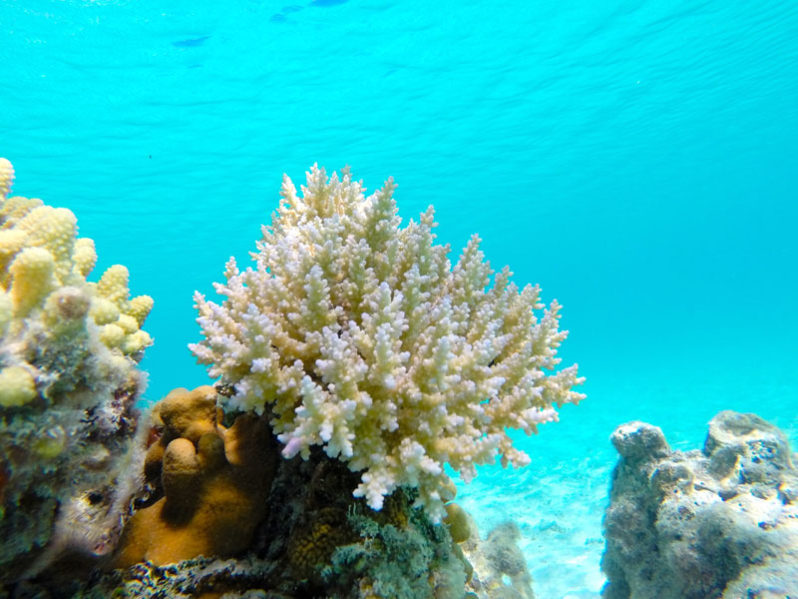
Backlash to prohibition on reef-harming chemicals frames issue as one of public health focused on skin cancer risk.
Longest coral reef survey to date reveals major changes in Australia’s Great Barrier Reef
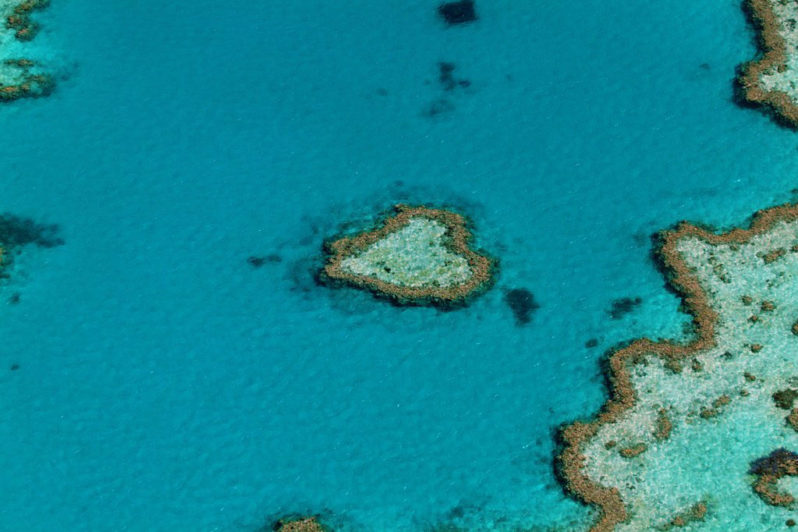
An in-depth look at Australia’s Great Barrier Reef over the past 91 years concludes that since 1928 intertidal communities have experienced major phase-shifts as a result of local and global environmental change, leaving few signs that reefs will return to their initial state in the near future.
Actions to save coral reefs could benefit all ecosystems
Scientists say bolder actions to protect the world’s coral reefs will benefit all ecosystems, human livelihoods and improve food security.
These little organisms are saving the coastlines from monster storms. Be nice to them
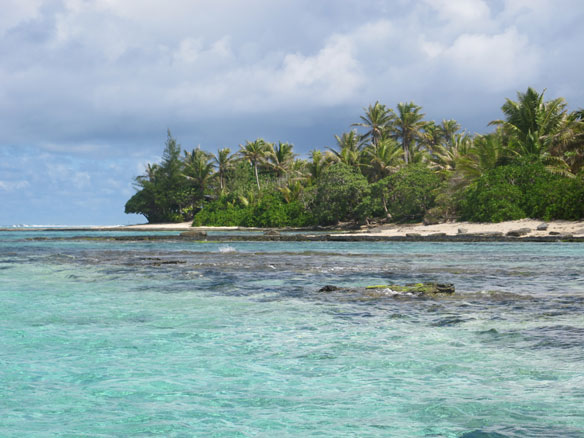
The catastrophe in the Bahamas shows more clearly than ever that coastal communities around the world are in dire peril from supercharged storms like Hurricane Dorian. They need to preserve and restore their first line of defense, wetlands and coral reefs. They need to build what scientists like me call coastal resilience.
Great Barrier Reef health outlook downgraded to “very poor” due to ocean warming
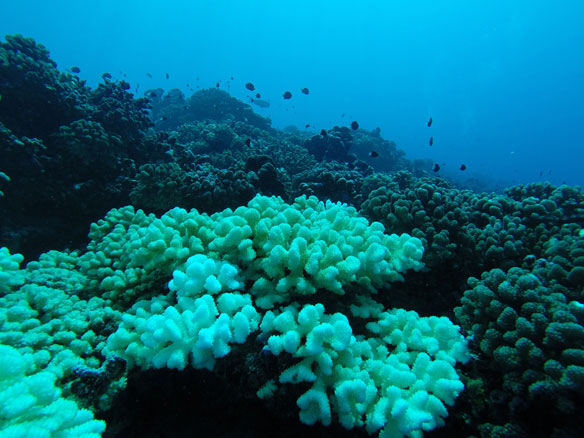
The government agency that manages Australia’s Great Barrier Reef has downgraded its outlook for the corals’ condition from “poor” to “very poor” due to warming oceans.