
Skip to content
  • Home | News
  • Coastal Issues
    • Sand Mining
    • Pollution
      • Plastic
      • Hydrocarbon, Waste Water and Run-off
      • Trash
    • Shoreline Erosion | Coastal Armoring + Engineering
    • Dams, Sand Supply, and Habitat Recovery
    • Beach Nourishment + Maintenance
    • Problematic Coastal Development
    • Habitats | Ecosystem Disturbance
    • Climate Change | Sea Level Rise | Ocean Acidification
    • Coastal Management | Adaptation | Policy
    • Coastal Storms | Extreme Weather
  • Beach Basics
    • Reading a Beach
    • Waves
    • Exploring Beach Sand
    • Tides
    • Cyclones | Typhoons | Hurricanes
    • Sand Dunes
    • Coral Reefs
    • Seashells
  • Coastal Care JR
  • Art + Science
  • Resources
    • Book Reviews
    • Beach Science Bibliography
  • Ask an Expert
  • About
  • Contact
  • Home | News
  • Coastal Issues
    • Sand Mining
    • Pollution
      • Plastic
      • Hydrocarbon, Waste Water and Run-off
      • Trash
    • Shoreline Erosion | Coastal Armoring + Engineering
    • Dams, Sand Supply, and Habitat Recovery
    • Beach Nourishment + Maintenance
    • Problematic Coastal Development
    • Habitats | Ecosystem Disturbance
    • Climate Change | Sea Level Rise | Ocean Acidification
    • Coastal Management | Adaptation | Policy
    • Coastal Storms | Extreme Weather
  • Beach Basics
    • Reading a Beach
    • Waves
    • Exploring Beach Sand
    • Tides
    • Cyclones | Typhoons | Hurricanes
    • Sand Dunes
    • Coral Reefs
    • Seashells
  • Coastal Care JR
  • Art + Science
  • Resources
    • Book Reviews
    • Beach Science Bibliography
  • Ask an Expert
  • About
  • Contact

Tag: Karuk Tribe

Salmon return to the Klamath’s Oregon waters, but the river’s headwaters are still blocked – Jefferson Public Radio
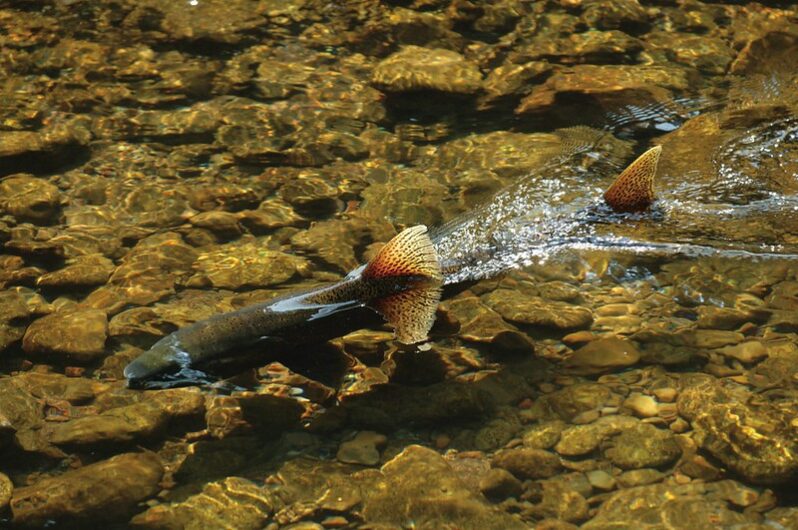
Returning chinook salmon on the Umatilla River (by Lynn Ketchumcourtesy Oregon State University CC BY-SA 2.0 via Flickr).

After decades of conflict, farmers and tribes say they’re working in concert to restore salmon habitat in the Klamath Basin. But two dams remain…

How the Klamath Dams Came Down – Grist Magazine
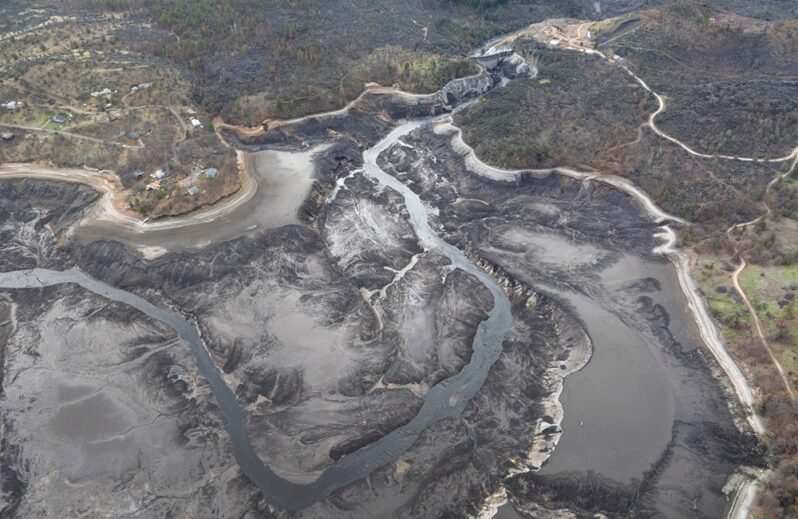
The Klamath River flowing through the depression left by Copco Lake, drained in spring 2024 prior to the demolition of the Copco Number 1 Dam (by Bob Pagliuco / NOAA Office of Habitat Conservation, Public Domain via Wikimedia).

Last year, tribal nations in Oregon and California won a decades-long fight for the largest dam removal in U.S. history.
This is their story…

The Other Side of the World’s Largest Dam Removal – Hakai
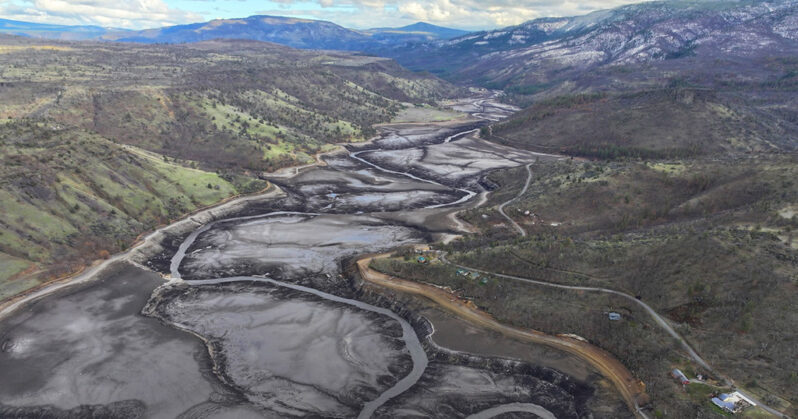
The Klamath River runs more than 250 miles from Oregon’s high desert interior to the Pacific Ocean in northern California and is the site of the world's largest dam removal project. The dam decommissioning effort, which is intended to improve water quality and fish habitat, includes restoration of 2,000 acres formerly overtaken by the hydroelectric dams, which were built between 1918 and 1962 (Courtesy of Oregon State University, CC BY-SA 2.0 via Flickr).

Removing dams from the Klamath River in Northern California seems like a clear win for fish and rivers. Why do some locals hate it…?

  • Home | News
  • FAQ
  • Privacy Policy
  • Legal Notice
  • Archived Menu
  • Contact
  • Home | News
  • FAQ
  • Privacy Policy
  • Legal Notice
  • Archived Menu
  • Contact
Instagram Facebook Twitter

© 2010 – 2024 CoastalCare.org