
Coral reefs off Benin, long presumed dead, discovered teeming with life – Frontiers in Marine Science
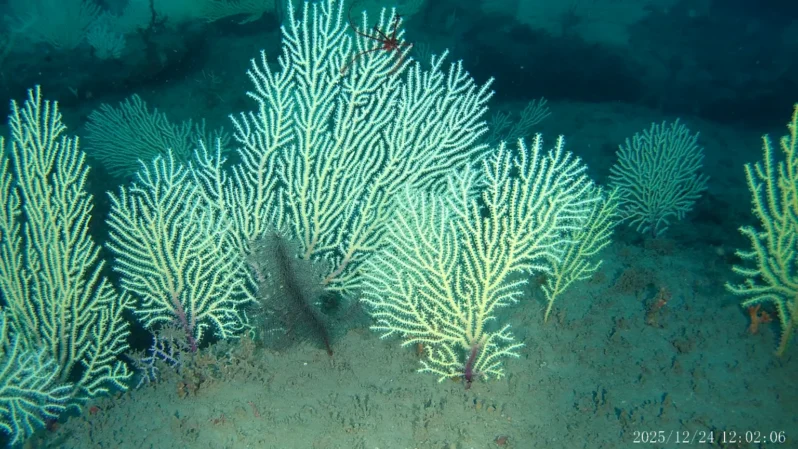
Using sonar surveys to narrow down their search areas and then an underwater drone and trail cameras to investigate, they identified a mesophotic coral garden teeming with species of reef-loving fish and multiple different varieties of coral. The researchers suspect that other as-yet undiscovered reef ecosystems could still be out there…
Traditional protection proves more successful for clams in American Samoa – Mongabay
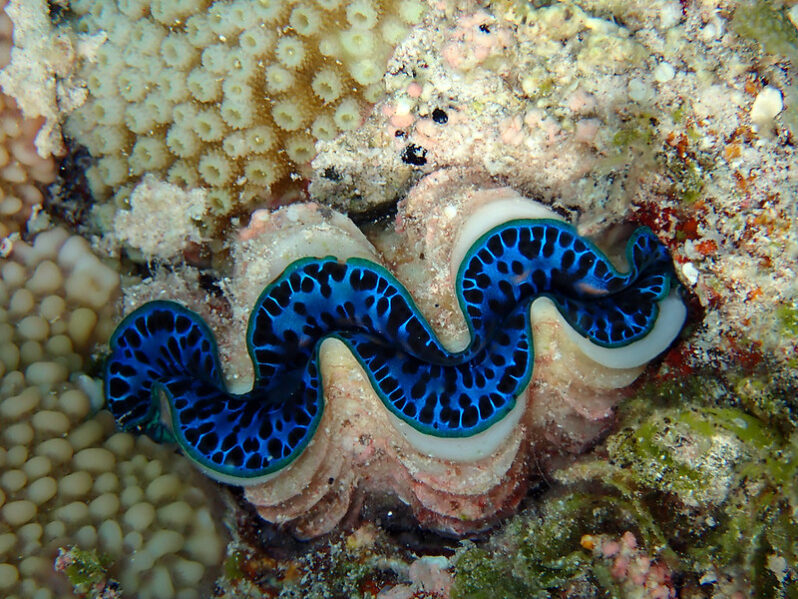
For coastal Indigenous communities in American Samoa, giant clams are deeply rooted in fa‘a Sāmoa (the Samoan way of life) and local food systems…According to the findings of a study published in PeerJ, it is village-based protections like fa‘asao (fishery closures) that have helped conserve giant clams lying in the islands’ shallow water coral reefs. The authors found that the highest clam densities and species are located in remote sites and areas under traditional village enforcement, outperforming federally designated no-take zones on the most populated island….
Long Story Shorts: How Does Fish Poop Keep Our World in Balance? – Hakai Institute
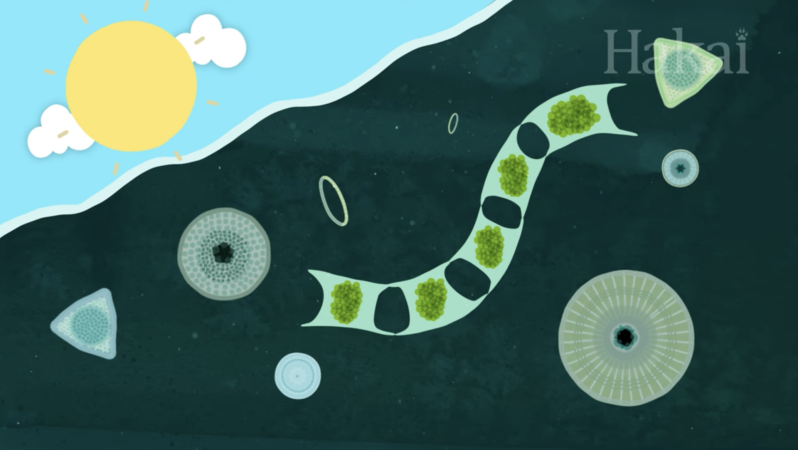
You might be asking yourself, What does fish poop have to do with the health of the ocean and our planet? Well, gross or not, that fish poop plays a big role in something called the carbon cycle. Watch this video to find out—then think about everything else that goes number two in the deep blue and you’ll see how all that poop can help keep the Earth in balance…
Long Story Shorts: What Role Does Sound Play in the Ocean? – Hakai Institute
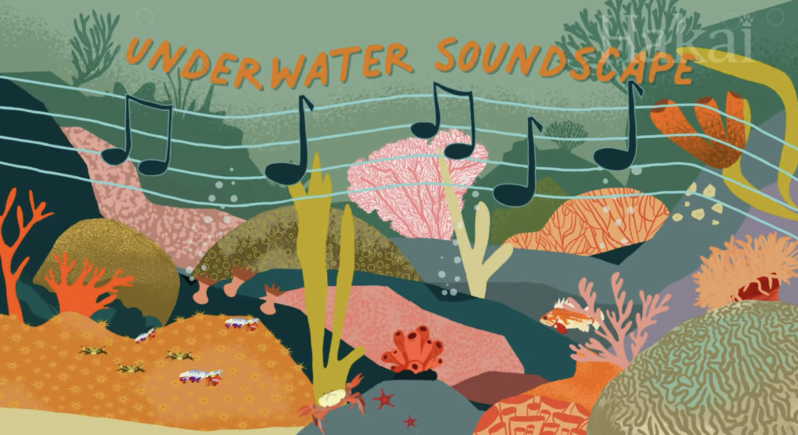
Have you ever wondered how sound works underwater? Or how much life in the ocean depends on hearing and being heard? Watch this episode of Long Story Shorts to get the answers, and find out what happens when we interfere with the soundscapes of the sea…
What happens to the ocean if we take out all the fish? – the Conversation
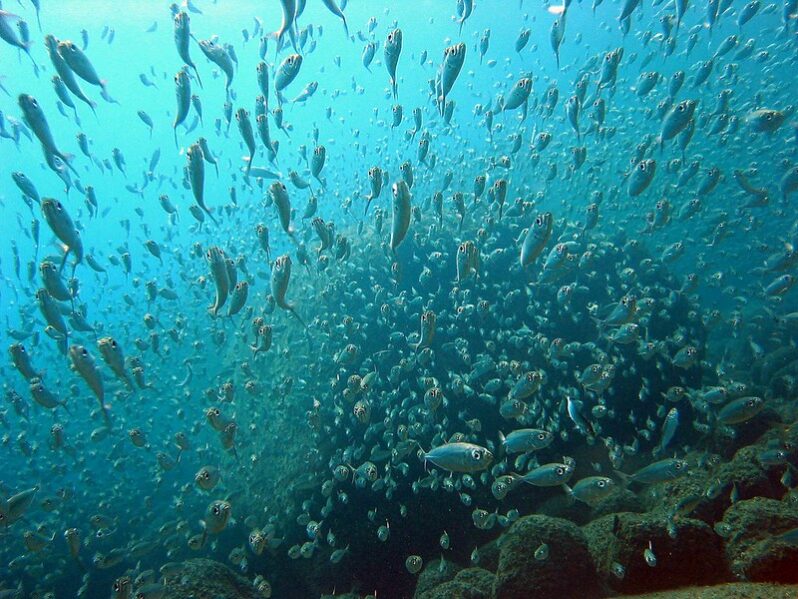
“What would happen to the ocean if we took out all the fish?” – Reny, age 12
Long Story Shorts: Why Should You Care about Deep-Sea Mining? – Hakai Institute
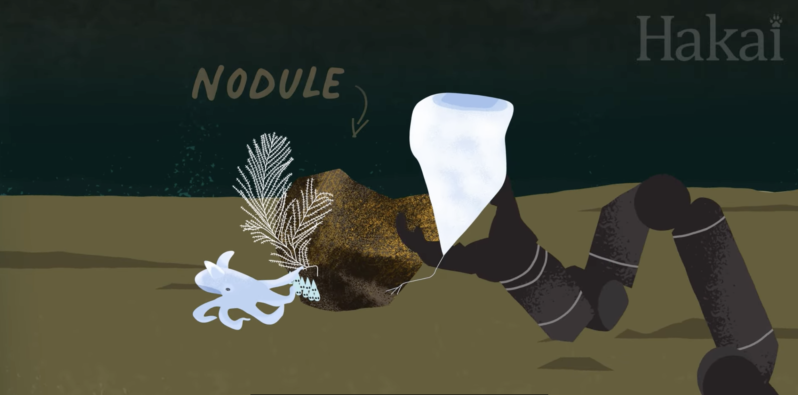
Deep-sea mining is a controversial proposed solution to the rising global demand for metals—but did you know it has the potential to destroy vital deep-water ecosystems and cause unknown ripple effects through the entire marine ecosystem?