
15 years after the BP oil spill disaster, how is the Gulf of Mexico faring? – Mongabay

The Deepwater Horizon disaster on April 20, 2010, was the largest offshore oil spill in U.S. history, releasing an estimated 4.9 million barrels of oil into the Gulf of Mexico…Fifteen years later, the gulf ecosystem shows a complicated picture of both resilience and lingering damage, with some species, like brown pelicans, recovering, while others, like humans, dolphins and deep-sea corals, continue to struggle with long-term health impacts.
Cigarette Butts Are A Hidden Threat To California’s Horn Sharks – Forbes
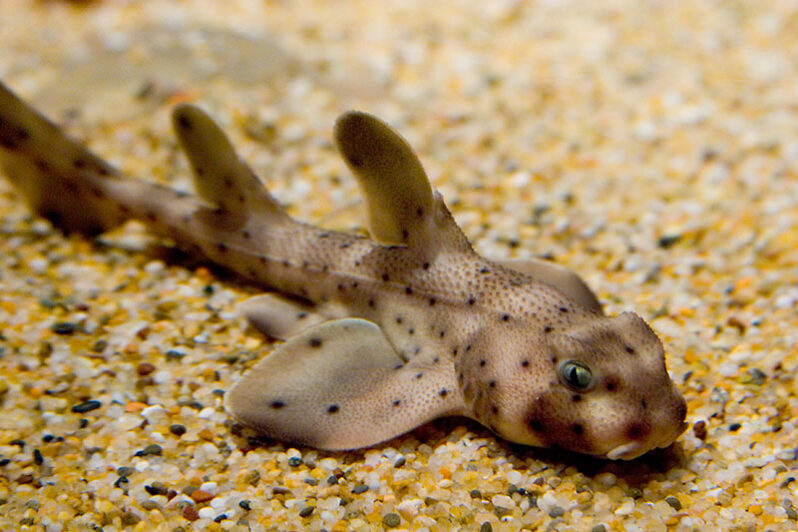
Marine debris continues to be a pressing environmental issue worldwide, particularly plastic waste, which often originates from land-based sources and can break down into microplastics. While many types of waste contribute to marine pollution, cigarette butts are the most commonly found form of plastic waste, and they pose unique threats to ocean ecosystems…
Shipping’s dirty secret: how ‘scrubbers’ clean the air – while contaminating the sea – the Guardian

Told to reduce air pollution, the shipping industry could have switched to cleaner fuels – instead, many vessels turned to special devices that simply dump the toxins into the water.
The toxins do not just disappear. Aside from being acidic, scrubbers contain heavy metals that accumulate in marine food chains…