Growth of Cities Endangers Global Environment, Coastlines Being Most At Risk

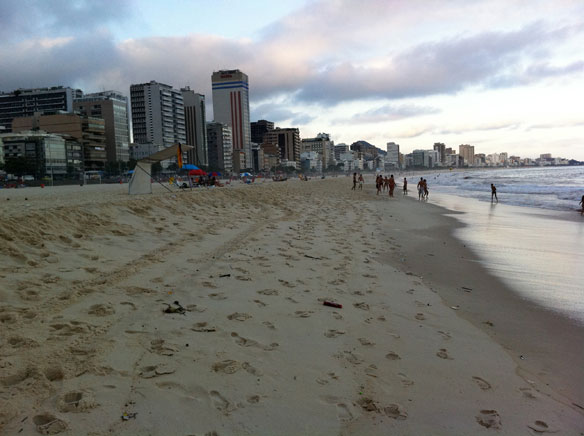
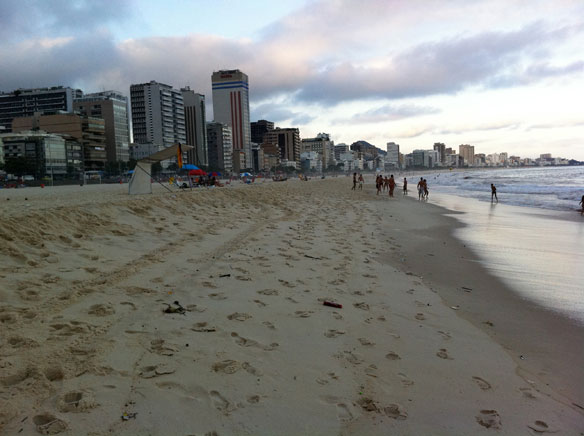
Rio de Janeiro, Brazil. Photo source: © SAF
Excerpts; from A Meta-Analysis of Global Urban Land Expansion, Yale University
On the continuum of anthropogenic activities, urbanization is the most irreversible and human- dominated form of land use.
Researchers from Yale, Arizona State, Texas A&M and Stanford predict that by 2030, urban areas will expand by 590,000 square miles, nearly the size of Mongolia, to accommodate the needs of 1.47 billion more people living in urban areas.
The report shows a worldwide observed increase in urban land area of 58,000 km2 from 1970 to 2000. India, China, and Africa have experienced the highest rates of urban land expansion, and the largest change in total urban extent has occurred in North America.
“…these cities are going to be developed in places that are the most biologically diverse, growing and expanding into forests, biological hotspots, savannas, coastlines, sensitive and vulnerable places.”
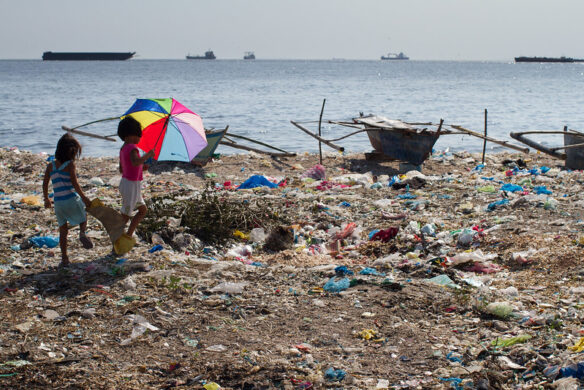
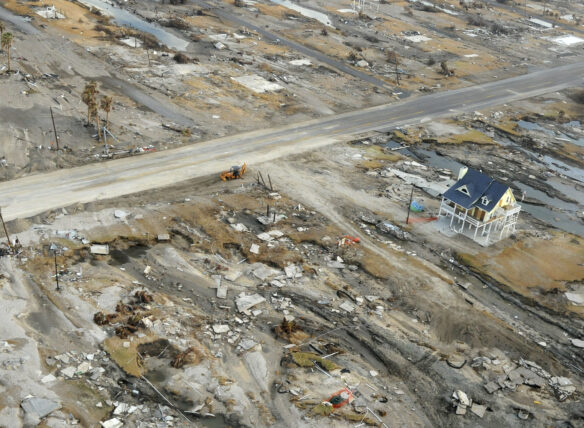
Urban areas, they found, have been expanding more rapidly along coasts.
“Of all the places for cities to grow, coasts are the most vulnerable. People and infrastructure are at risk to flooding, tsunamis, hurricanes and other environmental disasters,” said Karen Seto, the study’s lead author and associate professor in the urban environment at the Yale School of Forestry & Environmental Studies.
The study provides the first estimate of how fast urban areas globally are growing and how fast they may grow in the future…

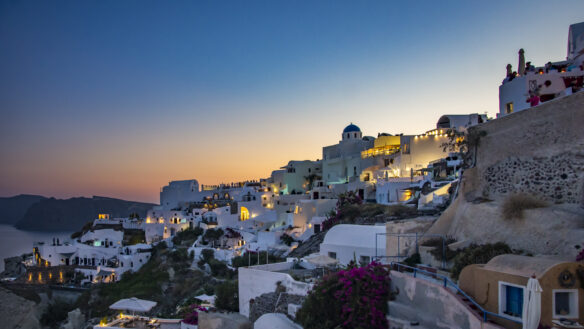
Photo source: ©© Tezza
Read Full Article, Science Daily
A Meta-Analysis of Global Urban Land Expansion, Plos One
Yale School of Forestry and Environmental Studies, Original Study, Yale University