
Tiny Barbuda Fears Increasingly Hostile Climate
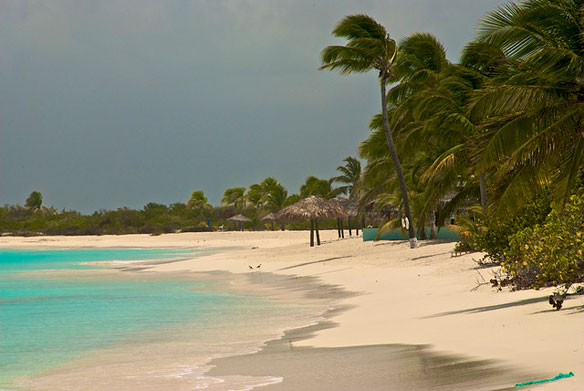
Local scientists are warning the tiny 62-square-mile island of Barbuda is becoming one of the most vulnerable spots on earth to the consequences of climate change. Worsening the problem is the long-time practice of sand removal from the island…
Greenland, Antarctica Ice Melt Speeding Up, Study Finds
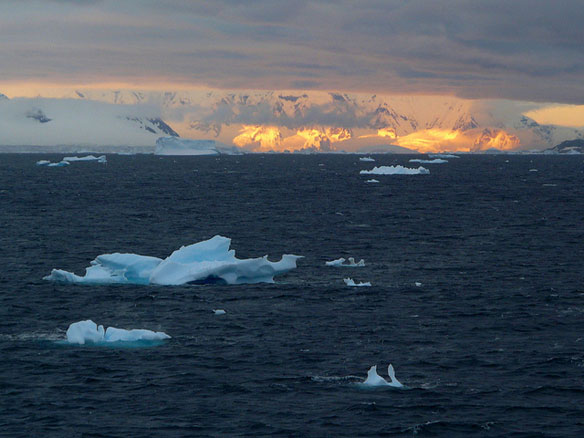
Two decades of satellite readings back up what dramatic pictures have suggested in recent years: The mile-thick ice sheets that cover Greenland and most of Antarctica are melting at a faster rate in a warming world.
Coastal Erosion Reaches Alarming Levels in Vietnam
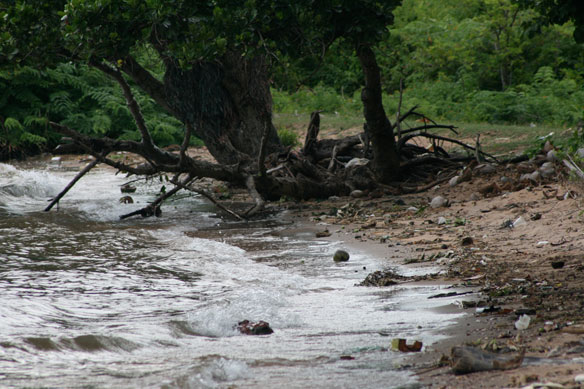
For the last decade, many families in this southwestern Vietnamese province have been uprooted at least once every two years, but this is not due to economic or political upheaval.
Pitcairn Islands’ Underwater Treasures Revealed
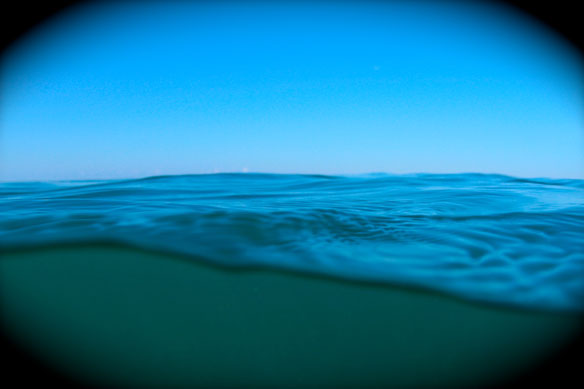
The Pew Environment Group and National Geographic have uncovered a spectacular underwater habitat around the Pitcairn Islands, a British Overseas Territory that is home to the Bounty mutineers and their descendents.
BP Suspended From New Government Contracts
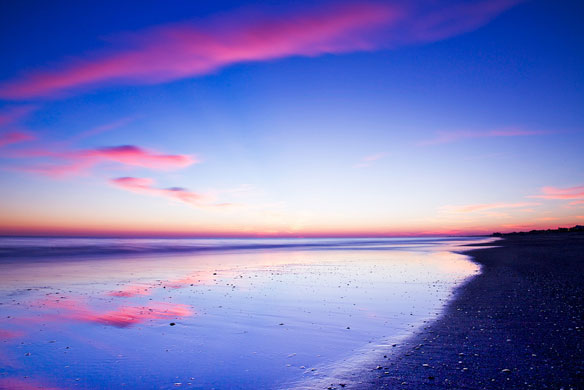
The Obama administration is suspending British oil giant BP Exploration and Production Inc. and affiliated companies from further federal contracts, the Environmental Protection Agency announced Wednesday.
Big Bill for Levee Upkeep Comes to New Orleans
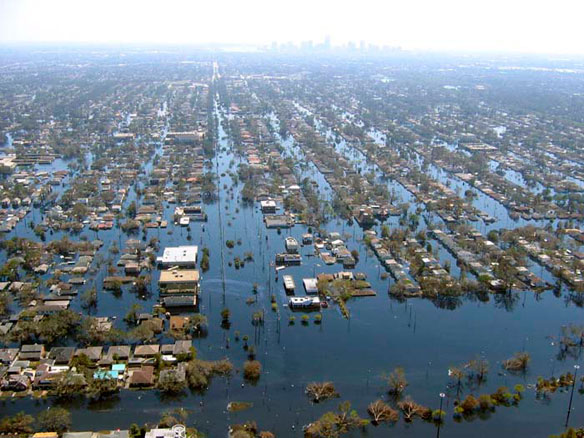
In the busy and under-staffed offices of New Orleans’ flood-control leaders, there’s an uneasy feeling about what lies ahead…
Suing EPA To Force Cap-And-Trade Scheme For Vehicle Emissions
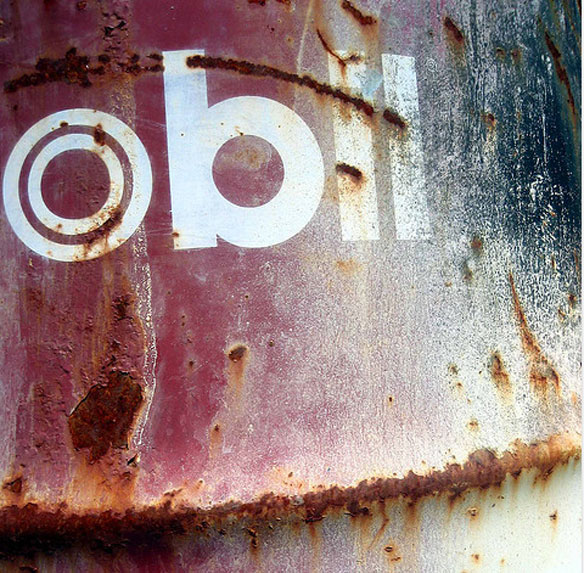
A New York-based policy reform group files notice of intent to sue the EPA to force it to create a market for carbon emissions tied to cars, planes and other mobile sources.
Bondi Beach Reopens, As Red Algae Blooms Disappears
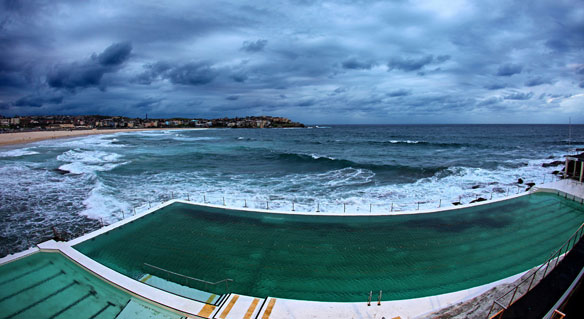
Bondi Beach has reopened after the algae that turned the water red faded and disappeared from sight, leaving only a few traces in the sand.
Rising Seas, Vanishing Coastlines
The oceans have risen and fallen throughout Earth’s history, following the planet’s natural temperature cycles. Twenty thousand years ago, what is now New York City was at the edge of a giant ice sheet, and the sea was roughly 400 feet lower. But as the last ice age thawed, the sea rose to where it is today.