
Coastal Care 2014: In Numbers and Achievements
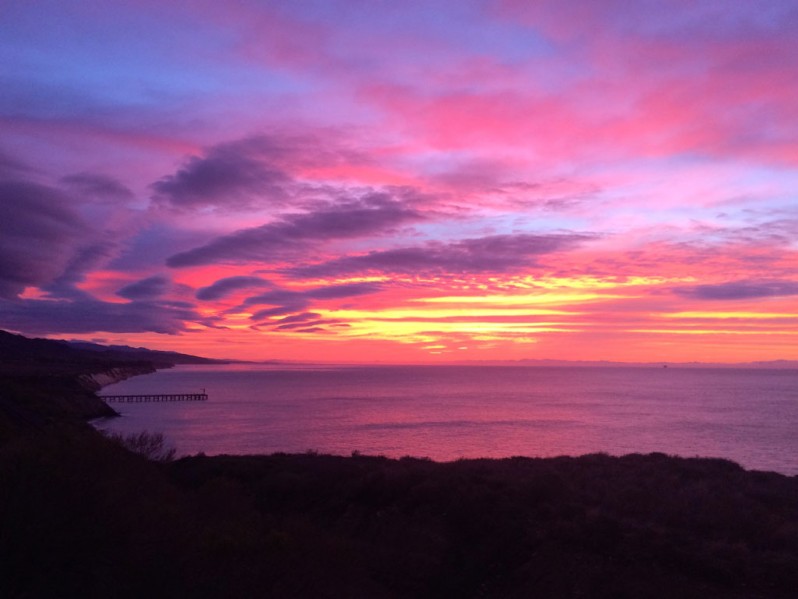
Our deepest gratitude and thanks to our immensely talented and highly inspiring contributors of 2014.
— Santa Aguila Foundation.
Ten Years After Indonesian Tsunami, Are Coasts Any Safer?
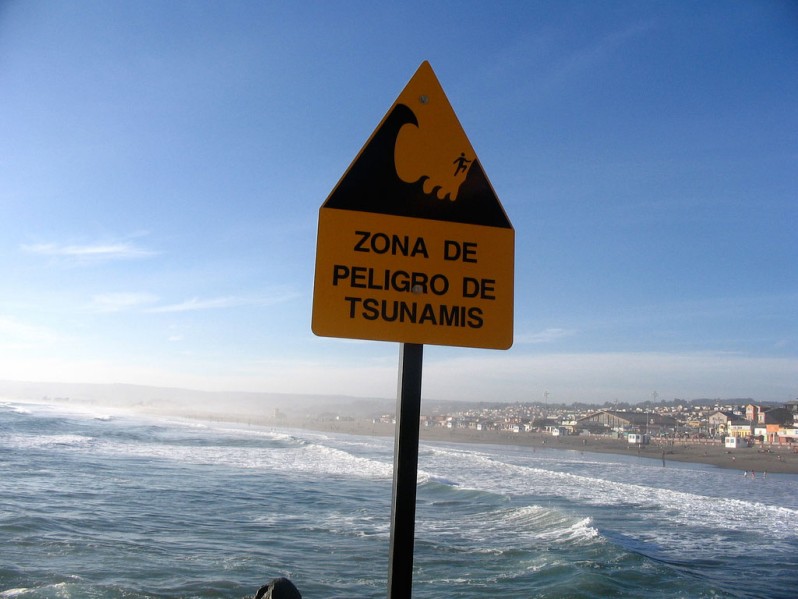
It is impossible to predict exactly when or where the next major tsunami will occur. Future tsunami disasters are inevitable, but with better technology, education and governance we can realistically hope that a loss of life on the scale of the 2004 tsunami disaster will not happen again.
Leaves Versus Tides
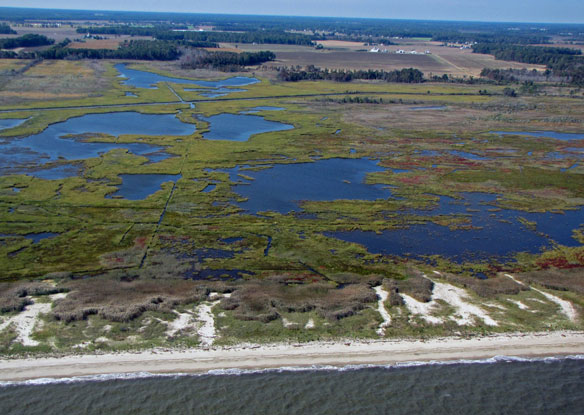
Salt marshes are the unsung heroes of coastal flood protection. These flat expanses of wild plants grow in muddy channels and creeks, flooded and drained by the tides. Only special types of plants can tolerate this briny environment.
Illegal Sand Mining in South Africa, a Report
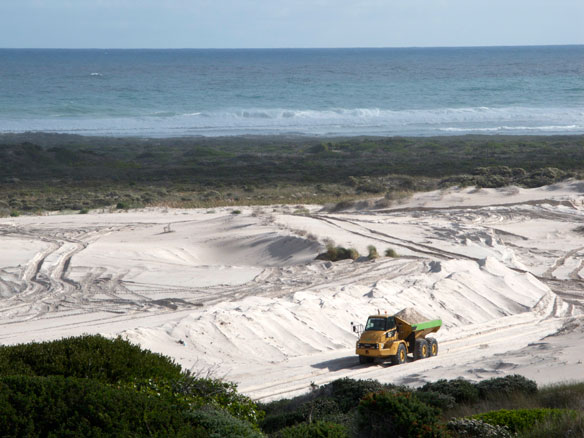
Natural sand from estuary and coastal land is one of South Africa’s most valuable resources. However, there has recently been a drastic increase in uncontrolled and unauthorised sand mining activities in rivers, valleys and estuaries throughout the country.
Nicaragua Defies Canal Protests
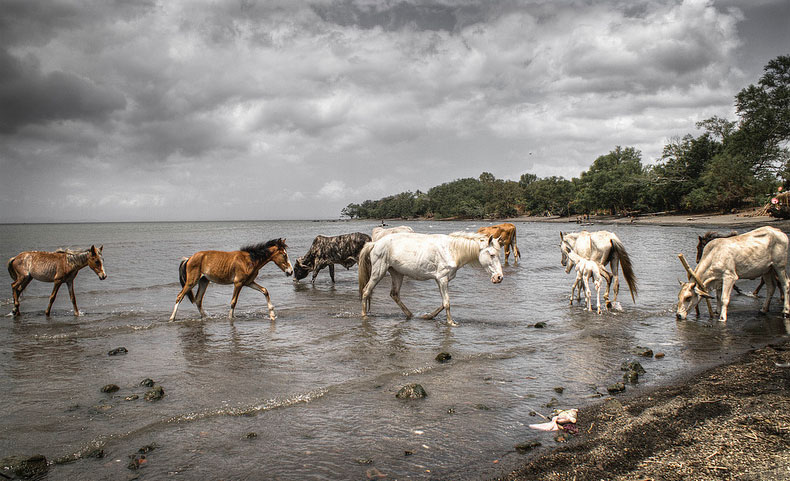
Nicaragua has great expectations for the Grand Canal, a US$50-billion, 5-year project to link its Caribbean and Pacific coasts with a 280-kilometre waterway. But the plan has attracted protests from residents along the proposed route and from scientists around the world.
Coral Reveals Long-Term Link Between Pacific Winds, Global Climate
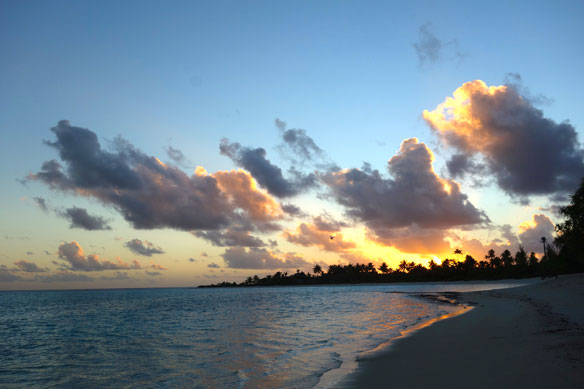
New research indicates that shifts in Pacific trade winds played a key role in twentieth century climate variation and are likely again influencing global temperatures. The study uses a novel method of analyzing coral chemistry to reveal winds from a century ago.
More Than 160,000 Evacuated From Worst-Ever Floods In Malaysia
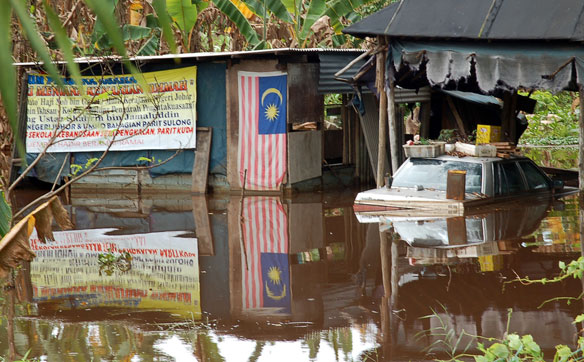
Northeastern peninsular Malaysia, which is worst affected part of the country, is regularly hit by flooding during the annual “northeast monsoon,” but this year’s rains have been particularly heavy
Tsunami Science: Advances Since the 2004 Indian Ocean Tragedy
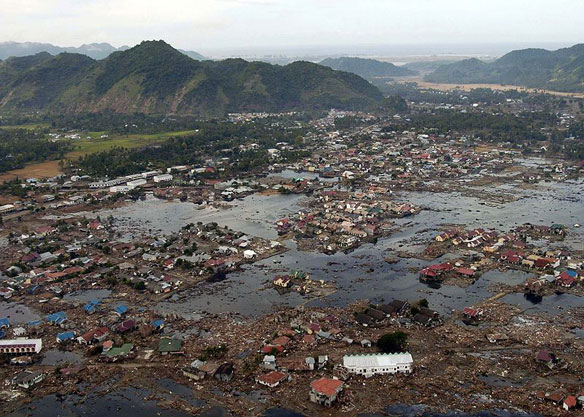
On the 10th anniversary of the deadly Indian Ocean tsunami, greatly expanded networks of seismic monitors and ocean buoys are on alert for the next killer wave in the Indian Ocean, the Pacific and the Caribbean. In fact, tsunami experts can now forecast how tsunamis will flood distant coastlines hours before the waves arrive.
Australia’s Supertrawler Ban is Flawed, Say Environmental and Fishing Groups
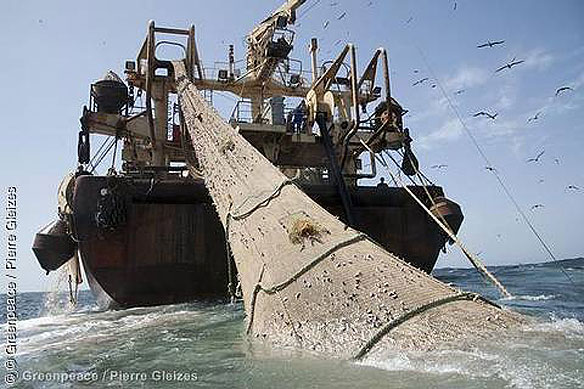
The federal government’s ban on supertrawlers is inadequate because it defines ships only by size and not by industrial fishing capacity.