
Oil Dispersant Used in Gulf Oil Spill Causes Lung and Gill Injuries to Humans and Aquatic Animals
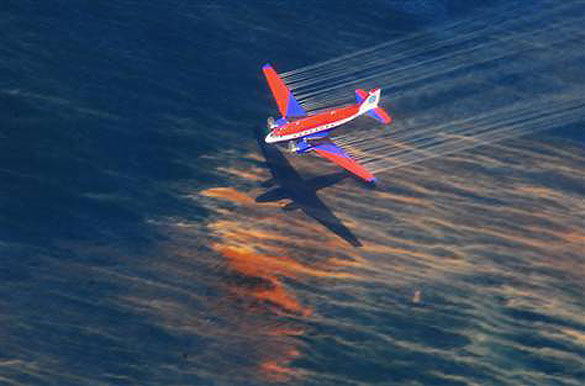
New research suggests that Corexit EC9500A, an oil-dispersal agent widely used in the Gulf of Mexico following the Deepwater Horizon oil spill, contributes to damage to epithelium cells within the lungs of humans and gills of marine creatures.
Photographer Ray Collins Sees Waves The Way You’ve NEVER Seen Them
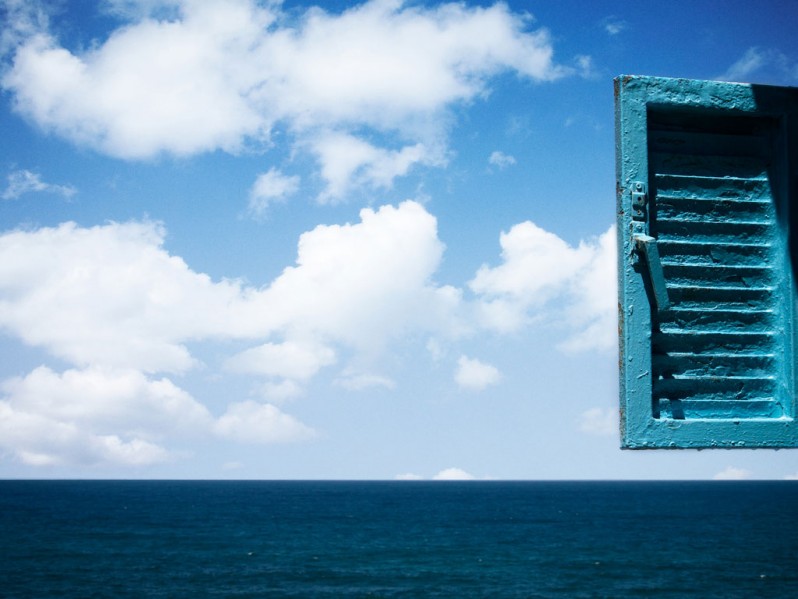
Leave it to a colorblind coal miner to turn waves into works of art. Australian photographer Ray Collins has become known for capturing the swells in otherworldly perspective.
Typhoon Maysak Bears Down on Philippines
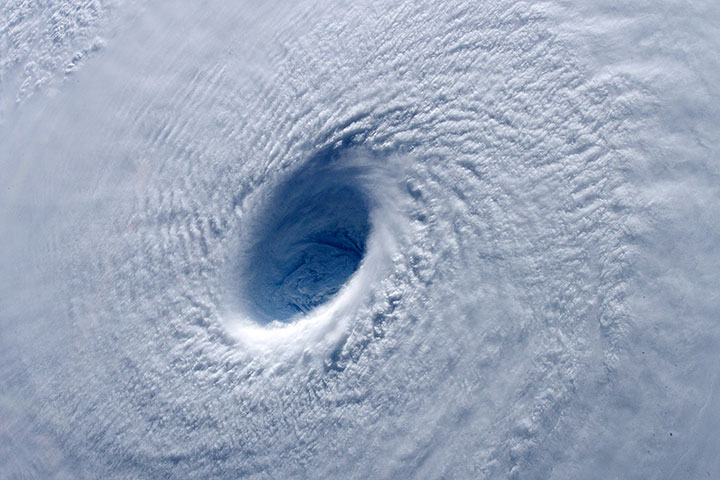
Philippines officials have ordered the evacuation of more than 20,000 people from coastal areas threatened by a typhoon.
A Silent Victory For Marine Mammals
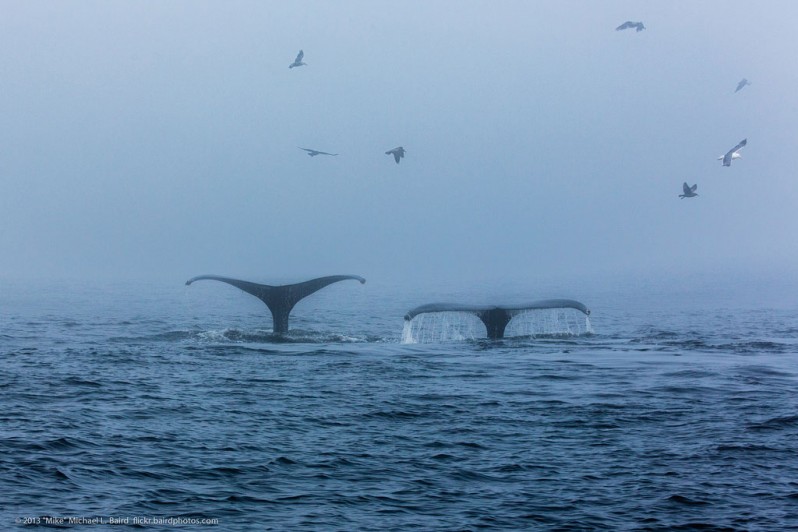
A federal judge stands up to the noisy navy for the sake of marine mammals.
Hydropower Could be Risky Bet in Warming World
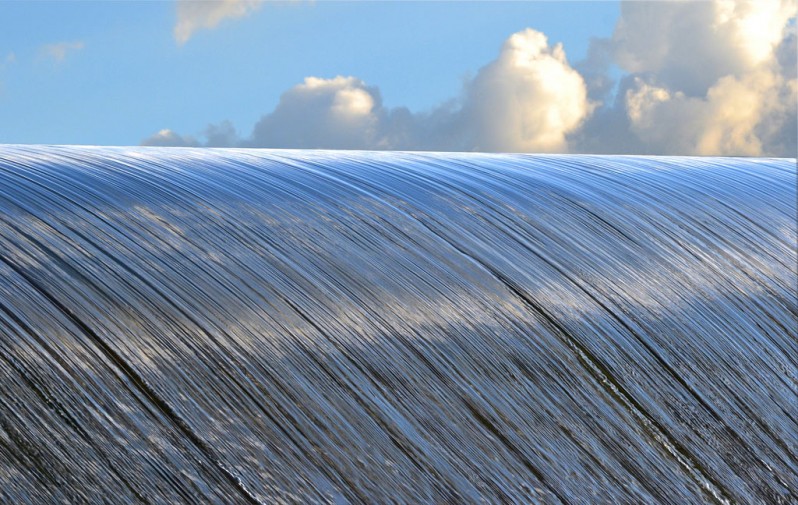
An indicator of where renewables investors are focusing their attention, large hydropower was left out of a major United Nations and Bloomberg report published this week showing that global investments in renewables spiked 17 percent in 2014.
Sand Cents
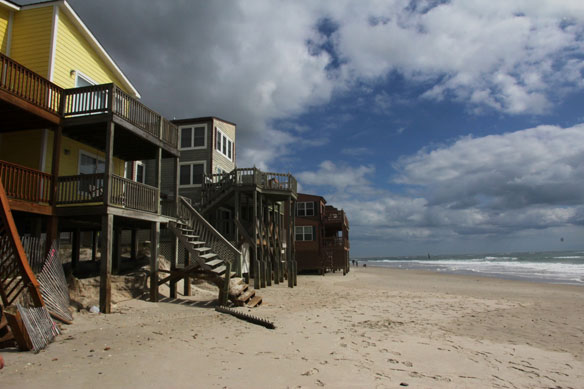
The value of many oceanfront properties on the East Coast could drop dramatically if Congress were to suddenly end federal beach nourishment subsidies. Values could fall by as much as 17 percent in towns with high property values and almost 34 percent in towns with low property values.
Category Four Typhoon Maysak
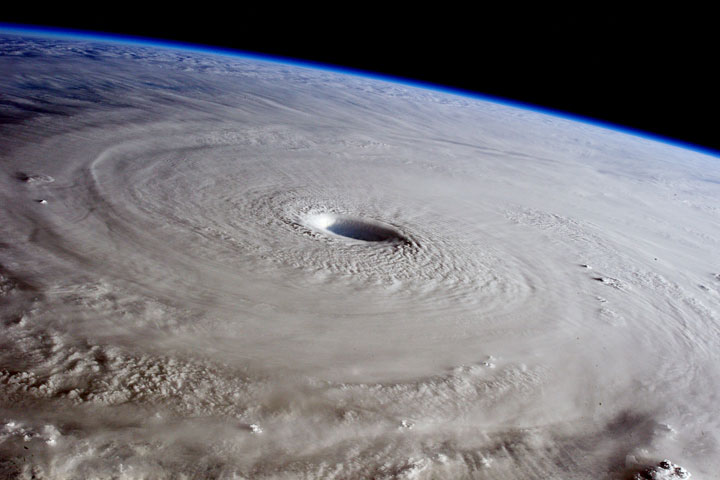
The Philippines has issued warnings of possible landslides and storm surges, with Typhoon Maysak set to strike eastern coastal areas, where many resorts are located, over the Easter weekend.
Revised NC Sea Level Report Predicts Rise Along Entire Coast
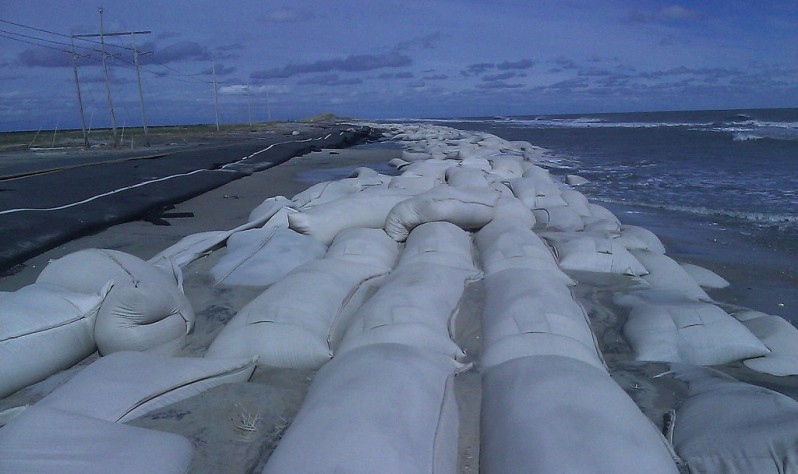
Released Tuesday by the Coastal Resources Commission’s Science Panel, the report presents three scenarios for rising seas along the coast through 2045, based on global predictions and historical data from five tidal gauges.
Ocean-scale Dataset Allows Broad View of Human Influence on Pacific Coral Reef
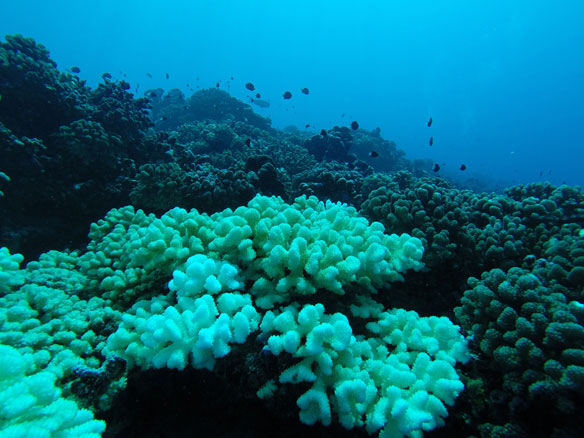
A study draws on data from nearly 40 islands and atolls across the central and western Pacific, including 25 unpopulated islands, to investigate the relative influence of environmental variation and human presence on reef fish assemblages. The resulting message is sobering.