
Lawyer speaks out on beach sand mining, Montserrat
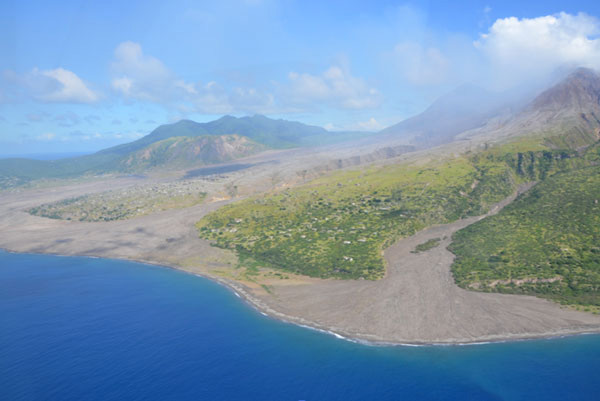
Substantial quantity of sand is currently being removed from the southern end of Carrs Bay Beach, and area that is both environmentally and ecologically sensitive.
Great Barrier Reef Near Whitsunday Islands
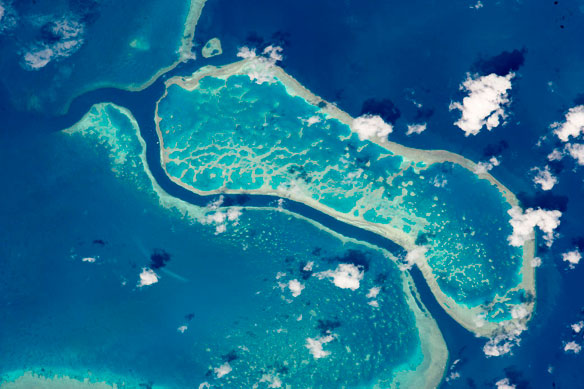
The Great Barrier Reef is the largest reef system on Earth, with more than 3,000 separate reefs and coral cays. It is also one of the most complex natural ecosystems, with 600 types of corals and thousands of animal species from tiny planktons to whales.
Celebrate June as Oceans Month, USGS
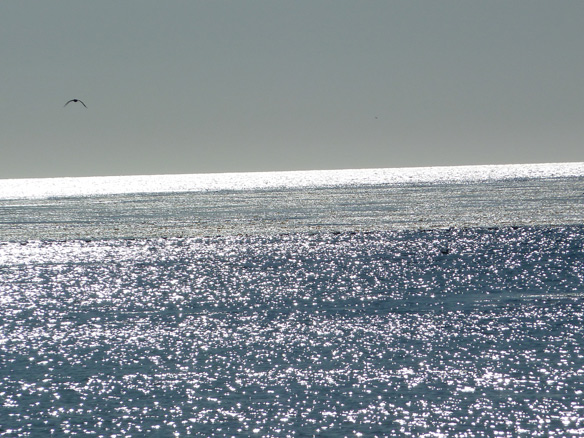
June marks National Oceans Month, a month dedicated to recognizing the natural beauty and importance of Earth’s oceans and coasts.
North Stradbroke Island sand mining to end by 2019
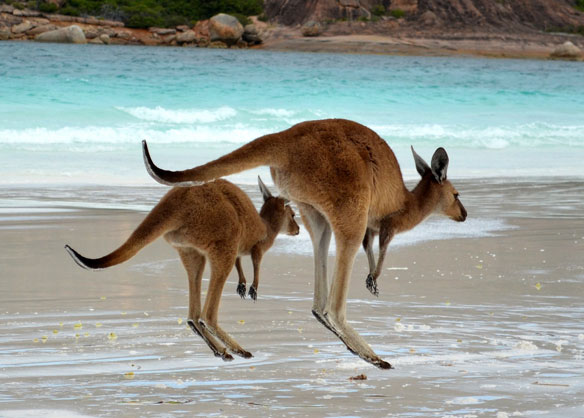
Sand mining will come to an end on North Stradbroke Island by 2019, reversing a decision by the former Newman administration to extend Sibelco’s lease to 2035.
Niger delta oil spill clean-up launched – but could take quarter of a century
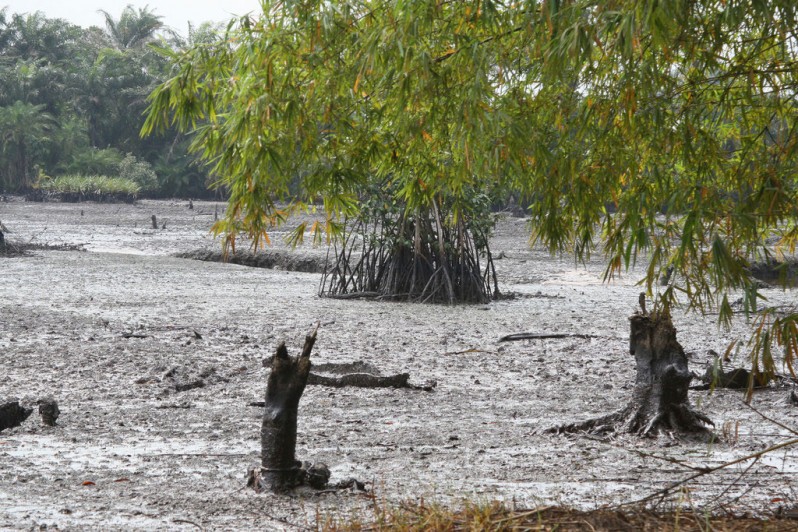
A $1bn clean-up of one of the world’s most oil-polluted regions will be officially launched on Thursday by the Nigerian president, Muhammadu Buhari.
Rio de Janeiro: A Changing City
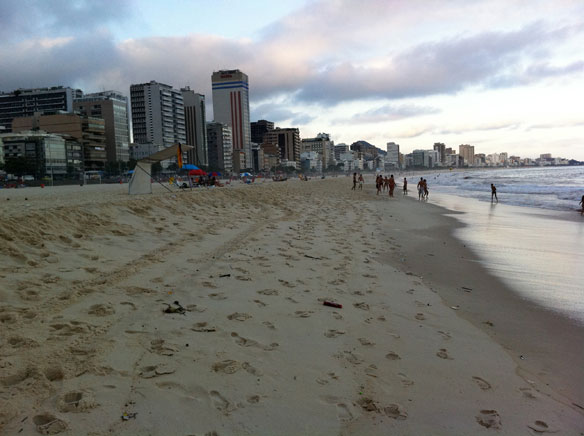
In 1960, 5 million people lived in Rio de Janeiro. By 2015, the population had swollen to 12.2 million, making it Brazil’s second largest city.
“Bird of Paradise – Impasto,” Panama Mangroves; By Santa Aguila Foundation
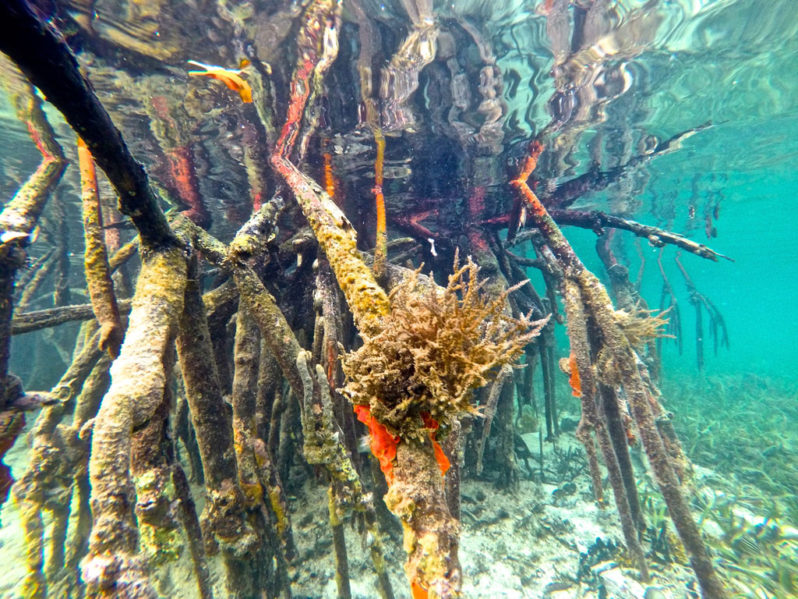
“Bird of Paradise – Impasto,” Panama Mangroves; is an image from Santa Aguila Foundation.
Changing Beaches, Changing Uses, Mystery Structures: Rosy Mound Park, Lake Michigan, U.S.A; By William Neal, Peter Wampler & Brock Hesselsweet
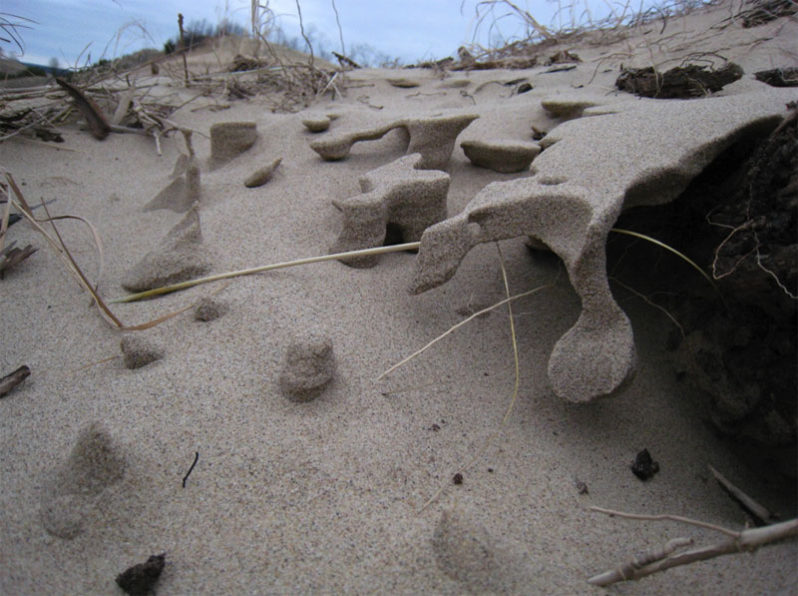
One of the general rules of beaches is that “no beach stays the same” neither over long reaches or very short stretches nor for very long time intervals. This rule is as true for fresh-water beaches as those of the salty seas. Rosy Mound Natural Area about 2 km south of Grand Haven, Michigan, on the eastern shore of Lake Michigan is a good example.