
Red Sea Mangroves Fight Back in the Face of Global Decline
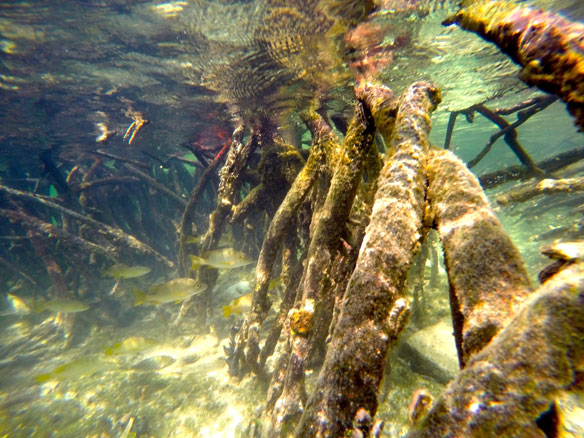
The Red Sea is one of the world’s saltiest and warmest seas. It is an extremely harsh environment surrounded by desert and subject to very high temperatures. However, there has been no decline in mangrove stands in the Red Sea, where the extreme conditions seem to mean that the mangroves of the Red Sea have been subjected to much lower levels of human activity than elsewhere.
White House Wants to Slash Budgets of Top Climate Science Agencies
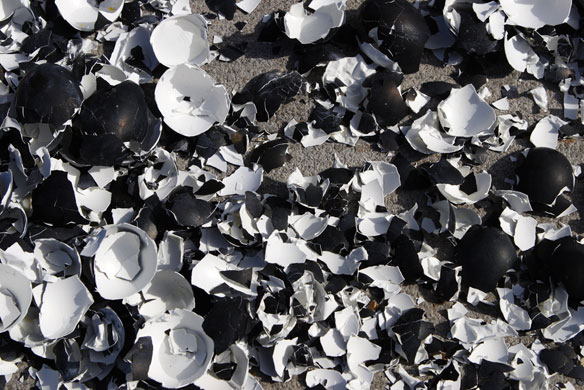
The current administration’s budget proposal includes a drastic 17-percent cut to the National Oceanic and Atmospheric Administration (NOAA), one of the government’s top weather and climate-science agencies.
United Kingdom CO2 Emissions Fall to Lowest Level in Nearly a Century
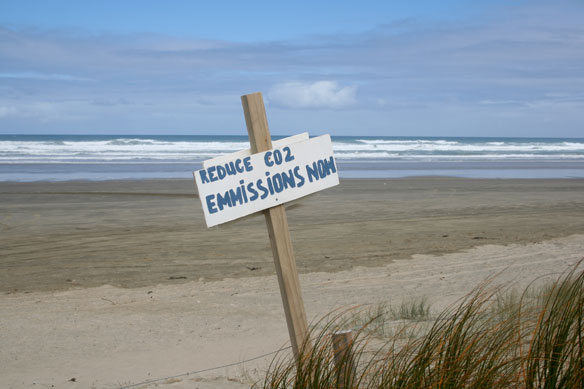
A record drop in coal use — coupled with the rapid growth of renewable energy, an expansion of energy efficiency programs, and an increase in burning natural gas for electricity — have driven carbon dioxide emissions in the UK to their lowest levels since the 1920s.
U.S. EPA Reverses Obama-Era Request for Methane Emission Data from Oil and Gas Companies
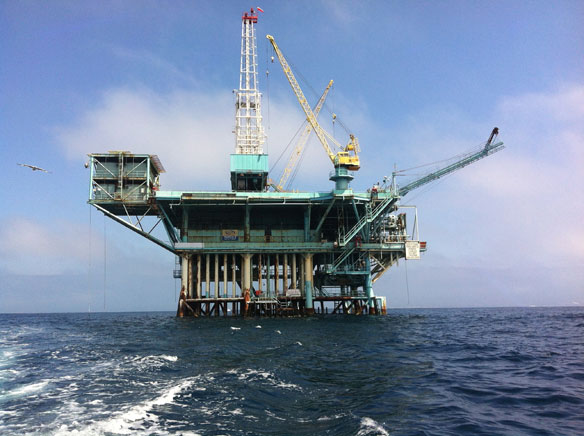
The U.S. Environmental Protection Agency announced it will no longer ask oil and gas well operators to submit information about their equipment or methane emissions. Methane is short-lived, but powerful greenhouse gas. Over the short term, it can trap heat at least 30 times more efficiently than carbon dioxide, and is thought to be responsible for about a quarter of modern global warming.
He who controls the sand: the mining ‘mafias’ killing each other to build cities
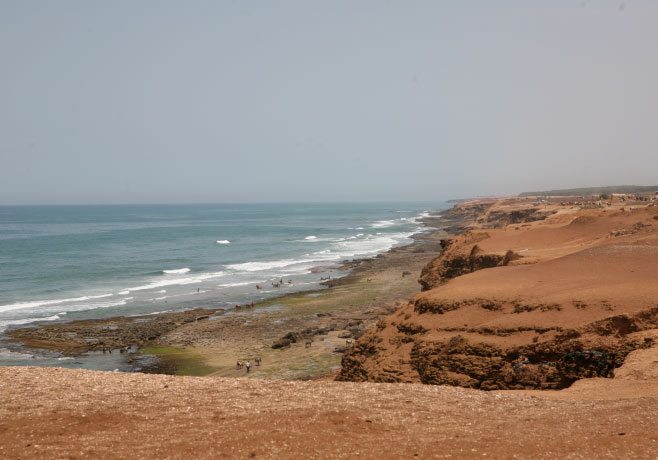
In Kenya, as in most of the developing world, cities are growing at a frenzied pace. Creating buildings to house all the people and the roads to knit them together requires prodigious quantities of sand. As the price of sand goes up, the ‘mafias’ get more involved.
Ignoring state threats, firm keeps sucking sand from Monterey Bay
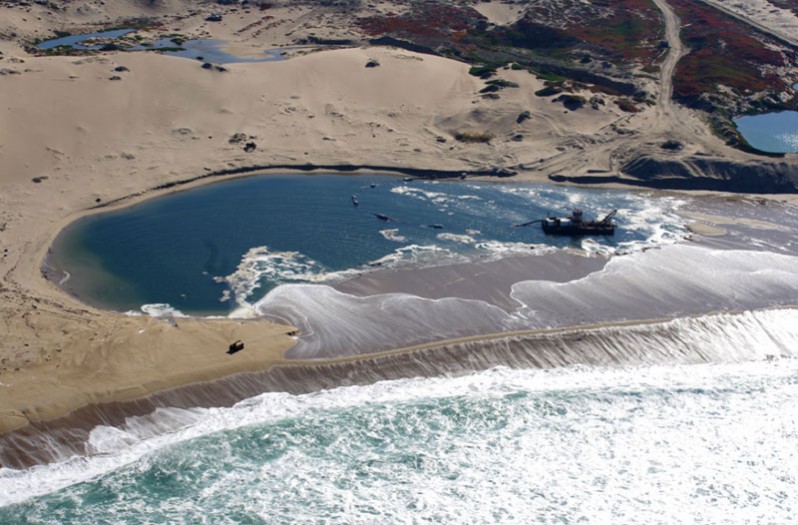
The Lapis Sand Plant, in operation since 1906, is the nation’s last coastal sand mine. The California Coastal Commission has threatened to close the plant, but the company refuses to relinquish its claim to the uniquely coarse amber-colored Monterey sand, which it calls “Lapis Lustre.” But Cemex is the world’s second largest building materials company, and any attempt to kick it out is likely to immerse the state in years of expensive litigation.
Some Virginia barrier islands are shrinking by the day: “You can just feel it”
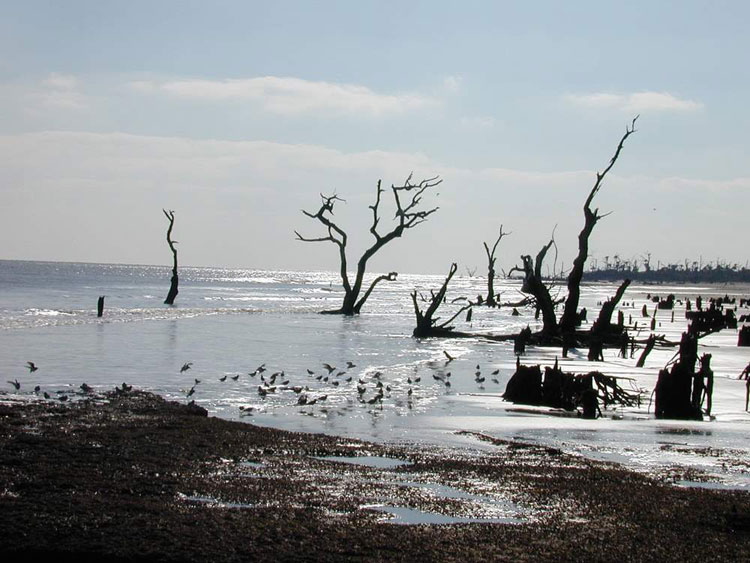
Dozen islands are shrinking in Virginia’s barrier chain, which stretches for about 75 miles along the Eastern Shore.
Cost-effective solutions to sediment runoff and other land-based pollution affecting West Maui reefs
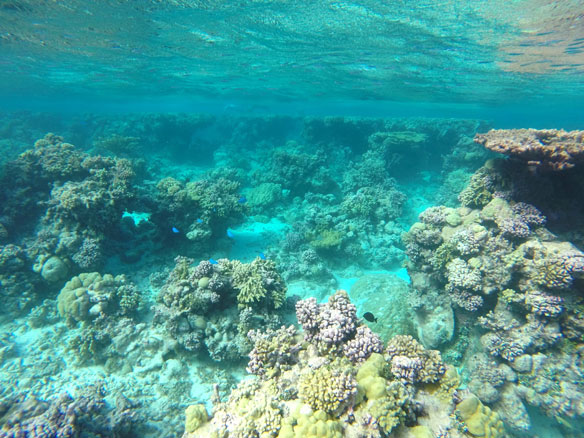
Land-based pollutants have been linked to the degradation of several Hawaiian reefs. Between 2000 and 2015, coral cover on West Maui’s northern reefs has dramatically declined from 30 percent to 10 percent.
Miniature organisms in the sand play big role in our ocean
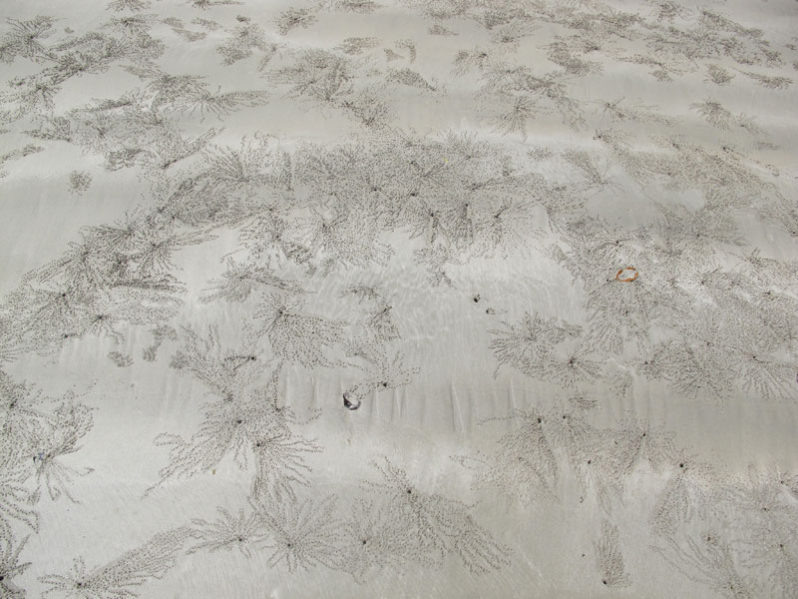
Small organisms called meiofauna that live in the sediment provide essential services to human life such as food production and nutrient cycling, a researcher explains in a new report.