Mangrove & Coral Destruction

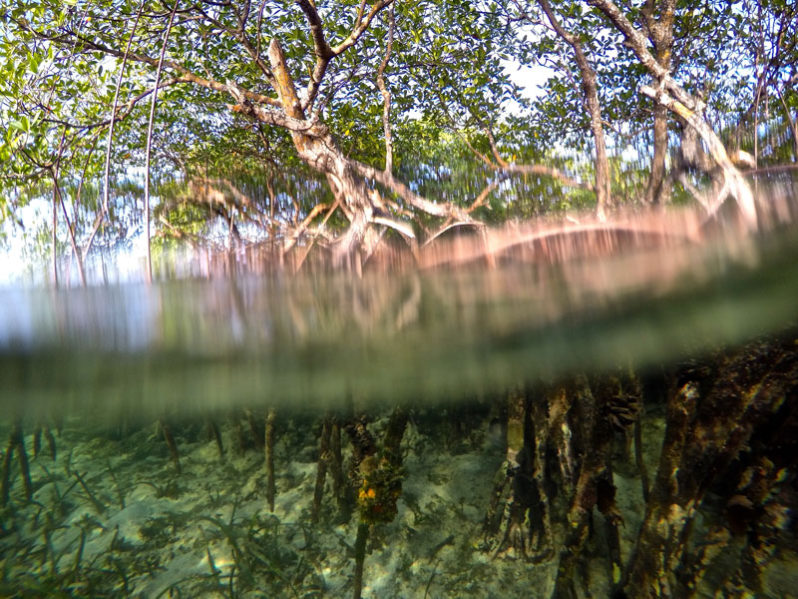
Miles of mangrove trees Miles of mangrove trees have died in recent years along the coast of Angola due to a combination of environmental factors, including oil spills. Photo: Joe Hughes

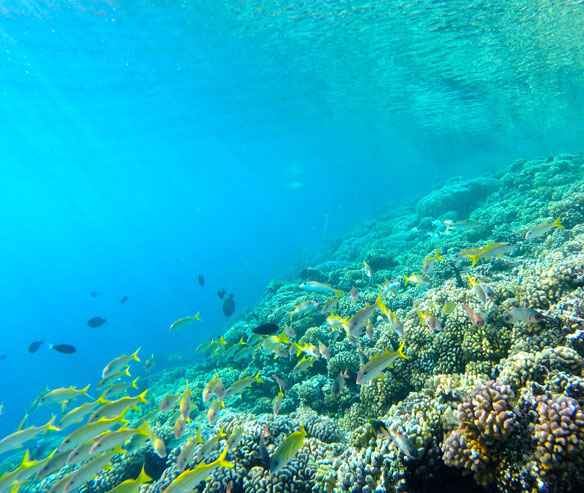
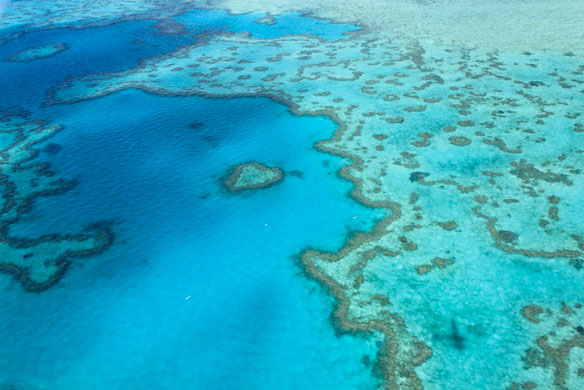
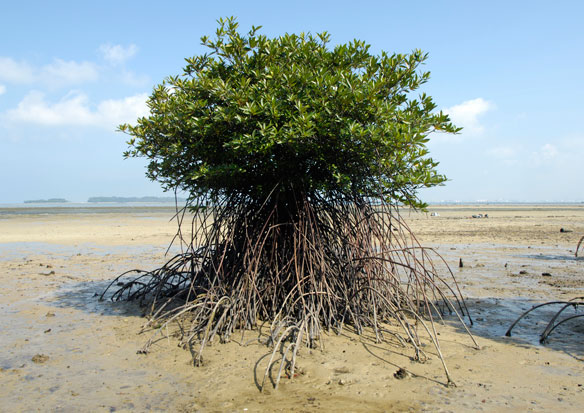
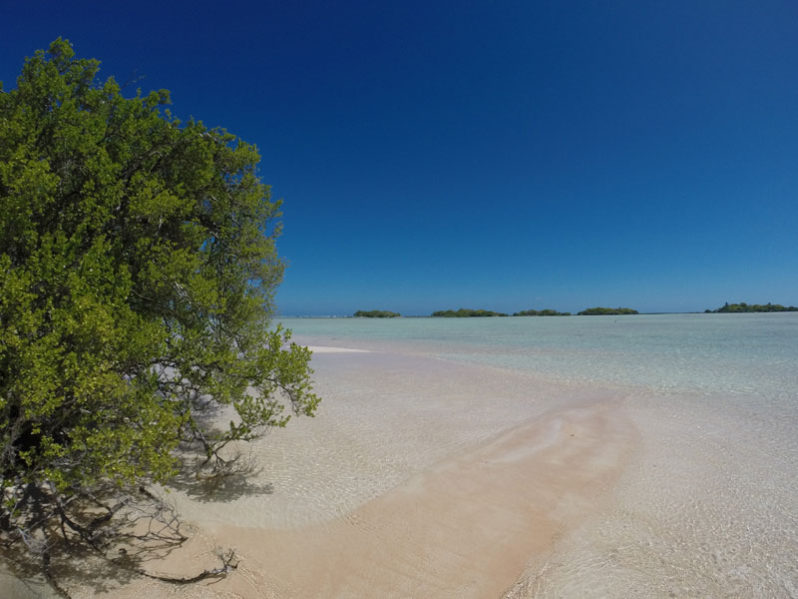
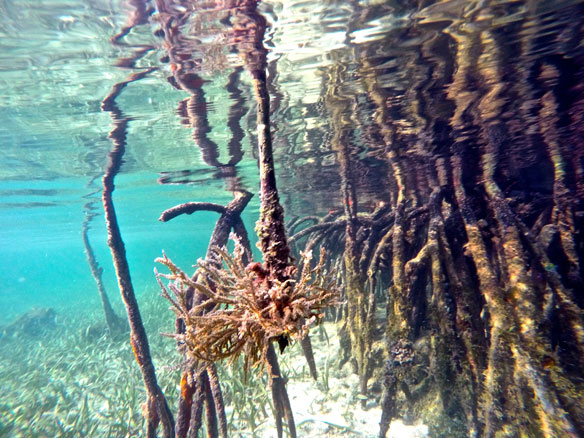
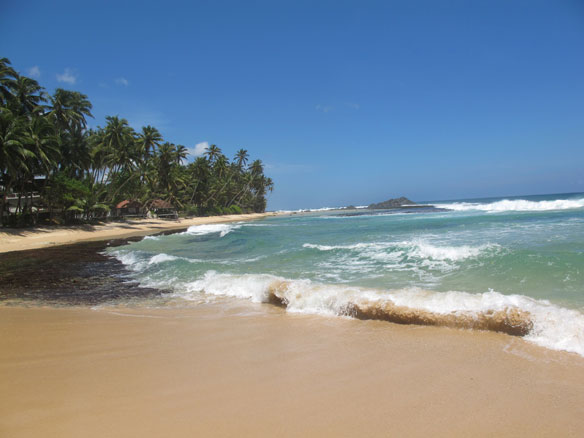
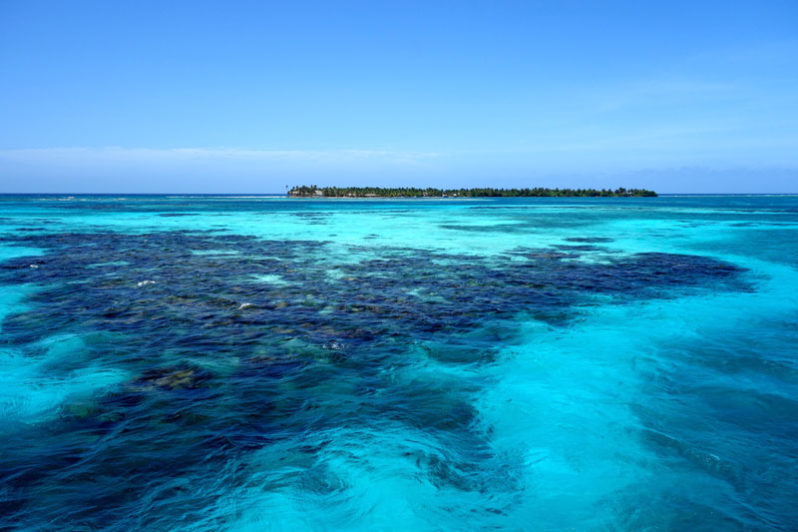
Widespread destruction of mangroves (Bahamas, Australia) and Coral Reefs (Caribbean, Red Sea) has resulted in the loss of some of the worlds most diverse ecosystems. As a side effect, this has greatly increased shoreline hazards and beach erosion rates. The greatest benefit of mangroves is their ability to reduce storm surge. This benefit is long-term and requires no maintenance. The 1999 super typhoon, Orissa, killed over 10,000 people in India drowning many with its powerful storm surge. This number could have been lower if the mangroves had been retained. Mangroves are lost because of clearing for development, logging, and shrimp farming. Coral reefs are lost by mining (Bali, Indonesia), sedimentation from agriculture on the upland (St. Croix, Virgin Islands), bad fishing techniques that kill corals (Pacific Islands), sedimentation from nourished beaches (Waikiki) and a host of other natural and global warming-related causes. Dubai is perhaps the single greatest example of coral reef destruction. The artificial islands built there buried vast coral reefs. Mangroves and coral reefs often provide protection for nearby beaches. Their destruction harms the beach as well.


Surfing in / Mangrove and Coral Destruction

Pacific Islands May Become Refuge for Corals in a Warming Climate, Study Finds

coral-ja

Scientists have predicted that ocean temperatures will rise in the equatorial Pacific by the end of the century, wreaking havoc on coral reef ecosystems. But a new study shows that climate change could cause ocean currents to operate in a surprising way…

No comments

Fishermen Blast Premier Dive Sites off Indonesia

komodo-island

Coral gardens that were among Asia’s most spectacular, teeming with colorful sea life just a few months ago, have been transformed into desolate gray moonscapes by illegal fishermen who use explosives or cyanide to kill or stun their prey.The site is among several to have been hit inside Komodo National Park.

No comments

Under Climate Change, Winners and Losers On the Coral Reef

coeur-barriere-corail-australie

As ocean temperatures rise, some species of corals are likely to succeed at the expense of others, according to a new report that details the first large-scale investigation of climate effects on corals.

No comments

Google Earth Tour of Reefs at Risk, Video

reef-project

The Reefs at Risk project raises awareness of threats to coral reefs around the world, and provides information and tools to manage coastal habitats more effectively.

No comments

Rising Ocean Temperatures and Protected Coral Reefs

coral-reef-noaa

Special conservation zones known as marine protected areas provide many direct benefits to fisheries and coral reefs. However, such zones appear to offer limited help to corals in their battle against global warming, according to a new study.

No comments

When It Comes to Creating Wetlands, Mother Nature Is in Charge

everglades-wetland

Fifteen years of studying two experimental wetlands has convinced a researcher that turning the reins over to Mother Nature makes the most sense when it comes to this area of ecological restoration.

No comments

UN Team Examines Mining Threat to Great Barrier of Reef

queensland-coast-great-barrier-reef

A UN team has arrived in Australia to investigate possible damage to the Great Barrier Reef by the mining industry.

No comments

Australian Government’s Great Barrier Reef Plans’ Questioned

gladstone-sand-mining-reef

A monitoring mission from the UN educational and cultural arm, UNESCO, will visit Queensland next month to examine concerns about major port developments and other potential threats to the World Heritage listed reef, as WWF challenged the Australian Government’s view that the Great Barrier Reef is being sustainably managed, citing publications showing that coral had declined by up to 50 per cent.

No comments

Staghorn Coral Transplanted to Threatened Reef

coral-reef-ft-lauterdale

In a delicate operation at sea, healthy staghorn coral were transplanted to a threatened reef off the Broward County coast, Florida, by researchers at Nova Southeastern University’s Oceanographic Center and its internal National Coral Reef Institute (NCRI).

No comments


Recent / Mangrove and Coral Destruction

Pacific Islands May Become Refuge for Corals in a Warming Climate, Study Finds

coral-ja

April 30th, 2012

Scientists have predicted that ocean temperatures will rise in the equatorial Pacific by the end of the century, wreaking havoc on coral reef ecosystems. But a new study shows that climate change could cause ocean currents to operate in a surprising way…

Read More

Fishermen Blast Premier Dive Sites off Indonesia

komodo-island

April 23rd, 2012

Coral gardens that were among Asia’s most spectacular, teeming with colorful sea life just a few months ago, have been transformed into desolate gray moonscapes by illegal fishermen who use explosives or cyanide to kill or stun their prey.The site is among several to have been hit inside Komodo National Park.

Read More

Under Climate Change, Winners and Losers On the Coral Reef

coeur-barriere-corail-australie

April 14th, 2012

As ocean temperatures rise, some species of corals are likely to succeed at the expense of others, according to a new report that details the first large-scale investigation of climate effects on corals.

Read More

Google Earth Tour of Reefs at Risk, Video

reef-project

April 10th, 2012

The Reefs at Risk project raises awareness of threats to coral reefs around the world, and provides information and tools to manage coastal habitats more effectively.

Read More

Rising Ocean Temperatures and Protected Coral Reefs

coral-reef-noaa

March 16th, 2012

Special conservation zones known as marine protected areas provide many direct benefits to fisheries and coral reefs. However, such zones appear to offer limited help to corals in their battle against global warming, according to a new study.

Read More

When It Comes to Creating Wetlands, Mother Nature Is in Charge

everglades-wetland

March 9th, 2012

Fifteen years of studying two experimental wetlands has convinced a researcher that turning the reins over to Mother Nature makes the most sense when it comes to this area of ecological restoration.

Read More

UN Team Examines Mining Threat to Great Barrier of Reef

queensland-coast-great-barrier-reef

March 6th, 2012

A UN team has arrived in Australia to investigate possible damage to the Great Barrier Reef by the mining industry.

Read More

Australian Government’s Great Barrier Reef Plans’ Questioned

gladstone-sand-mining-reef

February 26th, 2012

A monitoring mission from the UN educational and cultural arm, UNESCO, will visit Queensland next month to examine concerns about major port developments and other potential threats to the World Heritage listed reef, as WWF challenged the Australian Government’s view that the Great Barrier Reef is being sustainably managed, citing publications showing that coral had declined by up to 50 per cent.

Read More

Staghorn Coral Transplanted to Threatened Reef

coral-reef-ft-lauterdale

February 18th, 2012

In a delicate operation at sea, healthy staghorn coral were transplanted to a threatened reef off the Broward County coast, Florida, by researchers at Nova Southeastern University’s Oceanographic Center and its internal National Coral Reef Institute (NCRI).

Read More

Pyramids Planted to Revive Philippine Corals

borocay-philippines

February 9th, 2012

Thousands of small “pyramids” are being planted off the Philippines’ famous Boracay’s coast in an effort to bring its nearly destroyed coral reefs back to life, an environment group said Thursday.

Read More