
As Disease Ravages Coral Reefs, Scientists Scramble for Solutions
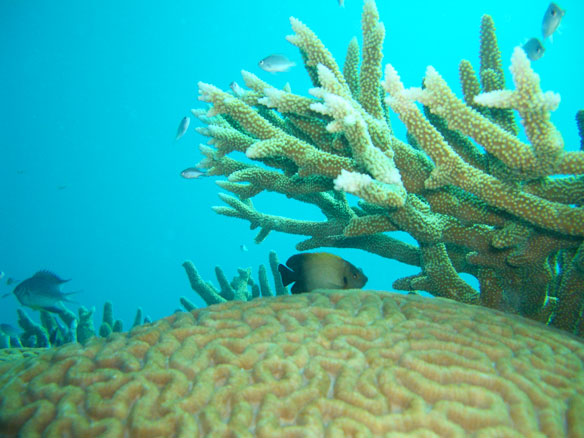
As oceans warm, coral reefs are suffering not only from bleaching but from deadly outbreaks of disease. Researchers are developing remedies, but the key question is whether these solutions can work on a large-enough scale to save vast reef systems from Florida to Australia.
Sunscreen and cosmetics compound may harm coral by altering fatty acids
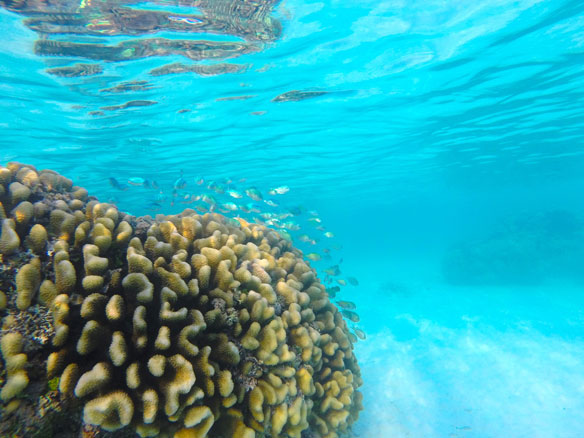
Researchers say that one such chemical, octocrylene (OC), which is also in some cosmetics and hair products, accumulates in coral as fatty acid esters that could be toxic to the marine organism.
Sprouting Mangroves Restore Hopes in Coastal Myanmar
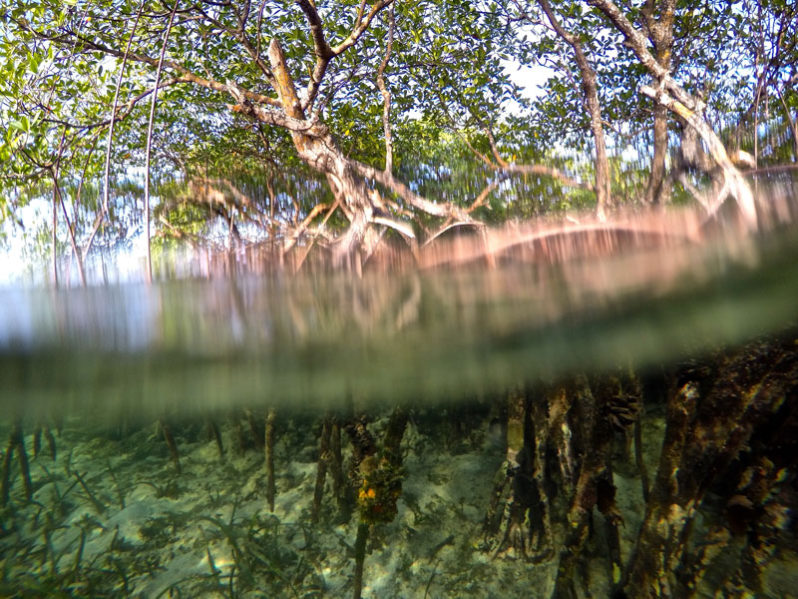
In most places, mangrove forest’s density is wafer thin thanks to rampant clearing of the mangroves for space to breed shrimps and for firewood etc. According to a recent study, Myanmar loses about 21 square km of its mangrove forests each year. But thanks to restoration efforts, the story is changing.
Conserving Canada’s Diverse Marine Life
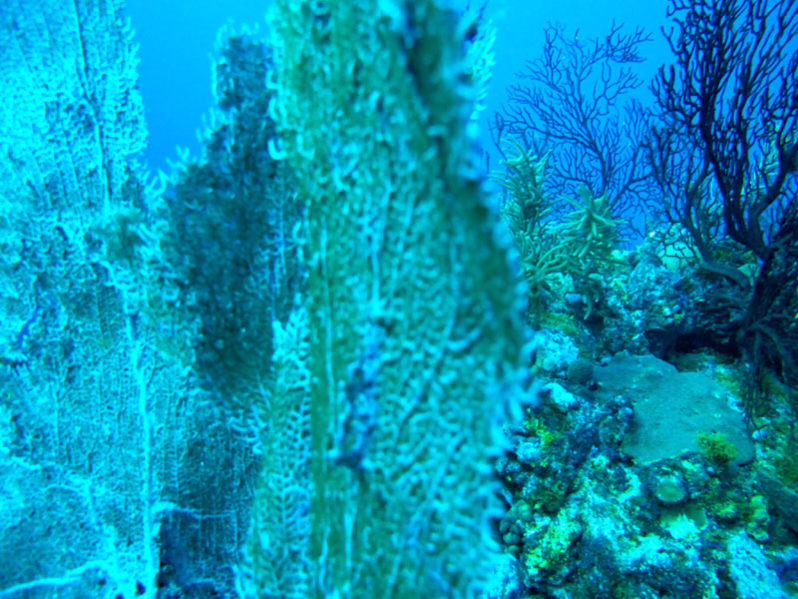
Despite the deep, cold waters, newly discovered undersea mountains off Canada’s west coast are home to a rich diversity of life. The recently designated Offshore Pacific Area of Interest, is a 140,000 square kilometre region 100 to 200 kilometres west of Vancouver Island in the province of British Columbia.
Managing wastewater to support coral reef health, resilience
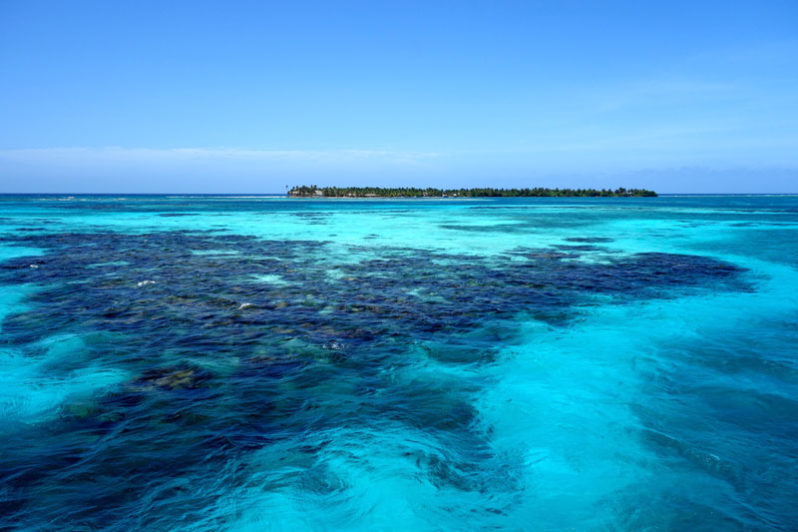
Coral reefs provide food and livelihoods for hundreds of millions of people around the world, support more than a quarter of all marine life, and protect communities and coastlines from natural disasters—and if urgent action is not taken, we risk losing them forever.
Study tracks severe bleaching events on a Pacific coral reef over past century
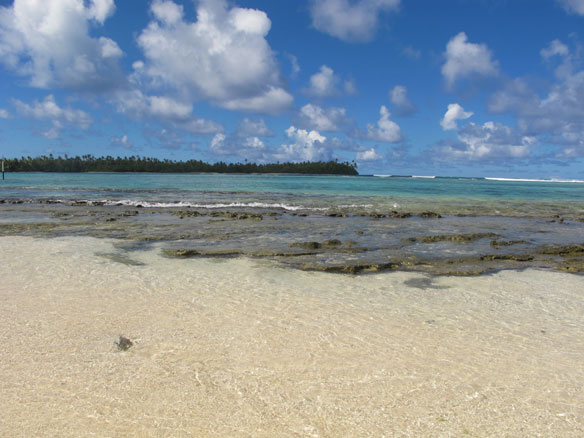
A new study has uncovered the history of bleaching on a reef in the epicenter of El Nino, revealing how some corals have been able to return after facing extreme conditions.
Florida’s coral reefs provide window into the past
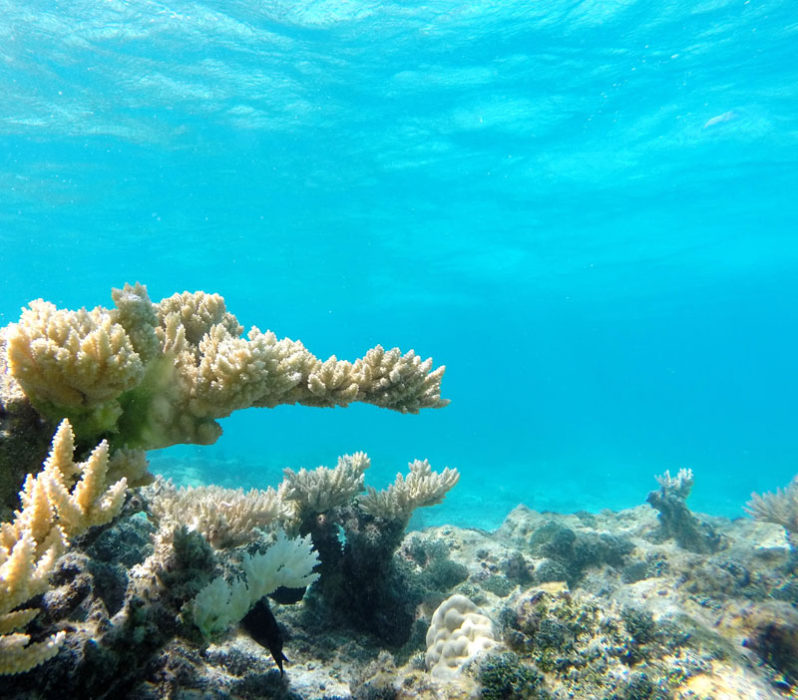
The Florida Keys coral reefs stopped growing or significantly slowed their growth at least 3000 years ago and have been balanced between persistence and erosion ever since, according to a new study by the U.S. Geological Survey.
Back from the brink: the global effort to save coral from climate change
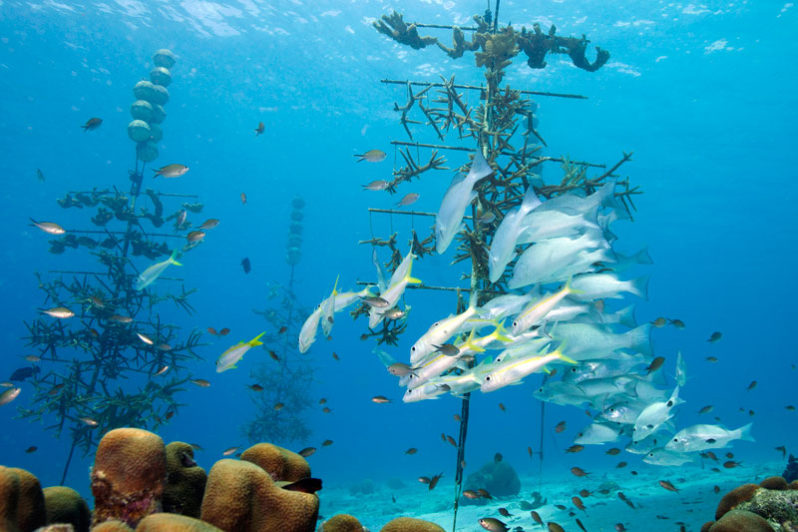
Underwater nurseries offer glimmer of hope for endangered ecosystems, encouraging growth of coral fragments on fibreglass structures anchored to the seabed.
Climate change modifies the composition of reefs
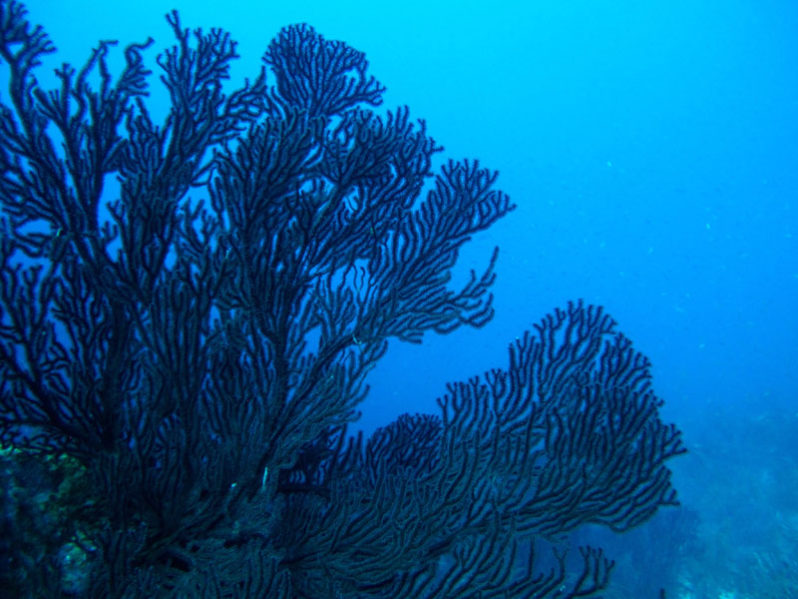
Corals devastated by climate change are being replaced naturally by other species such as gorgonians, which are less efficient in acting as a carbon sink. A study has analyzes for the first time why gorgonians are more resistant than corals to human impacts and global climate change.