
Microplastics Have Invaded The Deep Ocean — And The Food Chain
The largest habitat for life on Earth is the deep ocean. It’s home to everything from jellyfish to giant bluefin tuna. But the deep ocean is being invaded by tiny pieces of plastic — plastic that people thought was mostly floating at the surface, and in amounts they never imagined.
Microplastic throughout Monterey Bay
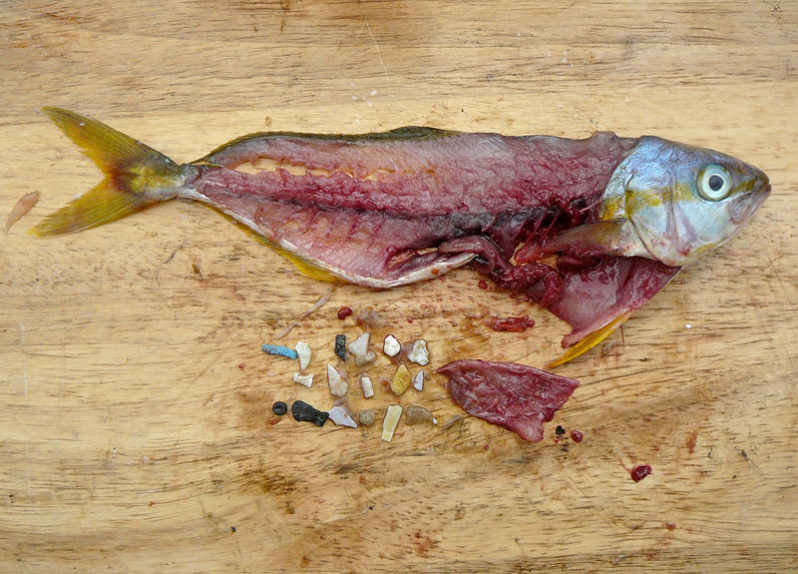
A new study shows that microplastic particles are not only common from the surface to the seafloor, but they’re also being eaten by animals and incorporated into marine food webs. The most abundant types of plastic found in the water samples match those commonly used in consumer products. Most plastic waste comes from land, although it may travel far on ocean currents.
Americans Consume Tens of Thousands of Microplastic Particles Every Year
Americans consume more than 70,000 microplastic particles every year from the food they eat, the water they drink, and the air they breathe, according to a new study published in the journal Environmental Science & Technology.
Watch Out: Your Money Is Being Used to Destroy the World!
How governments spend taxpayers money to subsidise fossil fuels that cause deadly air pollution – A reminder to mark 5 June World Environment Day.
Earth recycles ocean floor into diamonds
Most diamonds are made of cooked seabed. The diamond on your finger is most likely made of recycled seabed cooked deep in the Earth. Traces of salt trapped in many diamonds show the stones are formed from ancient seabeds that became buried deep beneath the Earth’s crust, according to new research.
Mexico Beach holds sea oat planting event to rebuild sand dunes
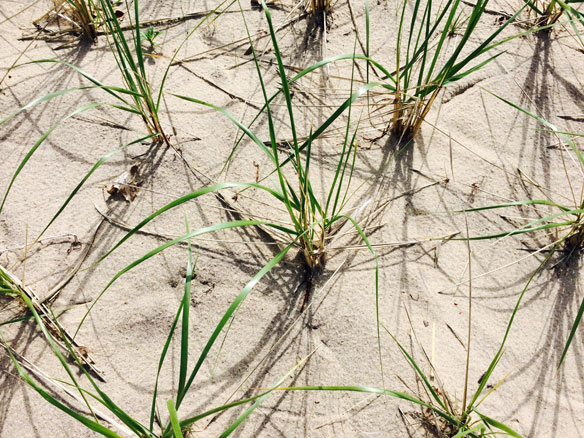
Mexico Beach is rebuilding its dunes along with its community. The city partnered with Duke Energy to start the process of restoring its beaches.
UN Report: Sand Mafias are Destroying Moroccan Beaches
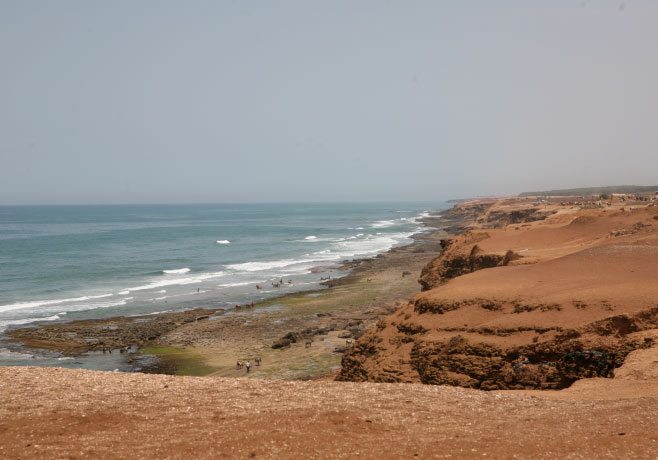
Sand mafias and illegal sand extraction are destroying beaches and threatening Morocco’s coastline, reminds the UN Environment Program.
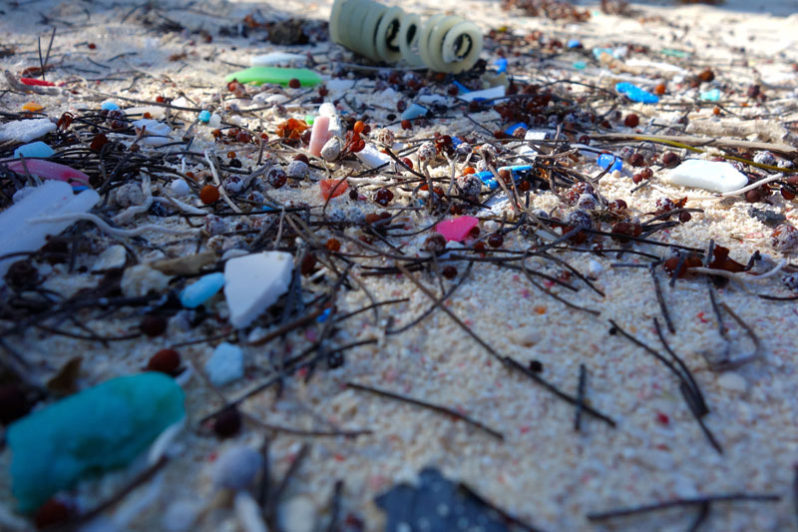
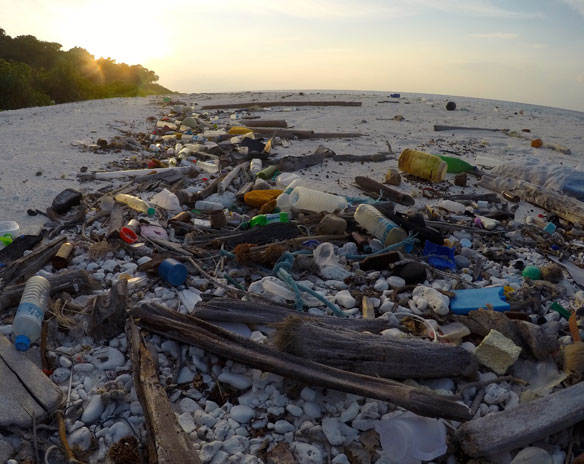
Newborn Hawaii beach is already polluted with tiny pieces of plastic
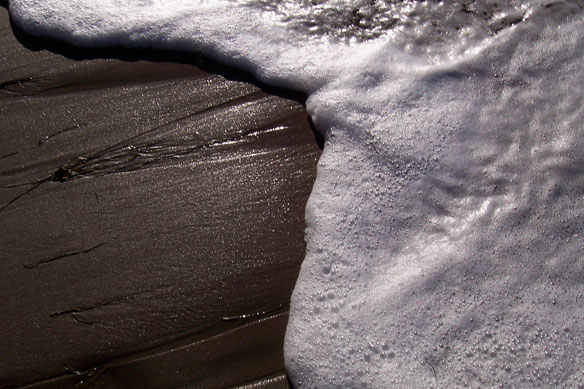
There’s this romantic idea of the remote tropical beach, clean and pristine. That kind of beach doesn’t exist anymore. Pohoiki adds to the growing body of evidence that plastic is most likely ubiquitous on beaches: even ones that look virgin.
Mass die-off of puffins recorded in the Bering Sea
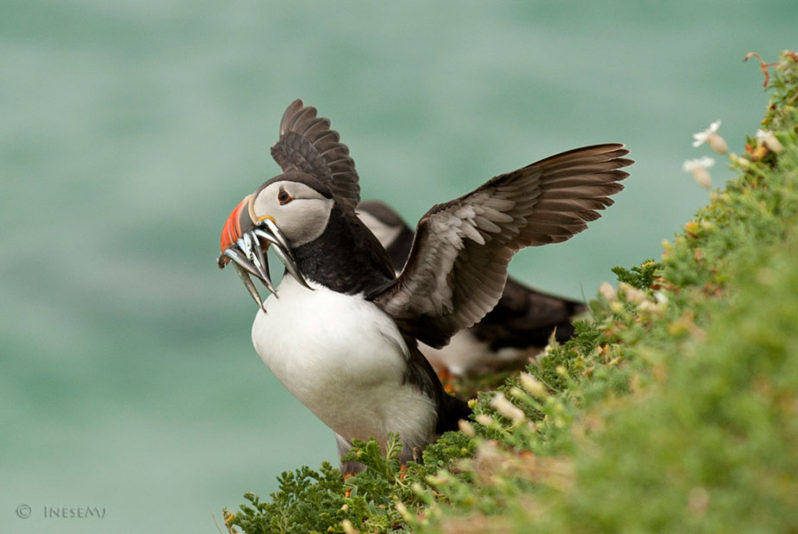
A mass die-off of seabirds in the Bering Sea may be partially attributable to climate change, according to a new study.