Plastic Pollution
Photo: Manan Vastsyayana
Unprecedented Plastic Pollution
When The Mermaids Cry: The Great Plastic Tide
By Claire Le Guern Lytle
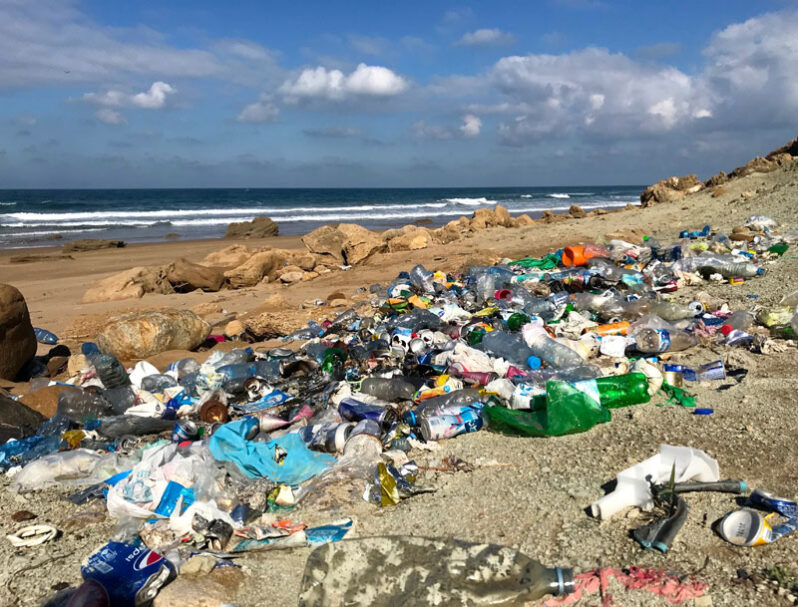
The world population is living, working, vacationing, increasingly conglomerating along the coasts, and standing on the front row of the greatest, most unprecedented, plastic waste tide ever faced.
Washed out on our coasts in obvious and clearly visible form, the plastic debris spectacle blatantly unveiling on our beaches is only the prelude of the greater story that unfolded further away in the the world's oceans, yet mostly originating from where we stand: the land.
In 2008, our global plastic consumption worldwide has been estimated at 260 million tons. Plastic is versatile, lightweight, flexible, moisture resistant, strong, and relatively inexpensive. Those are the attractive qualities that lead us, around the world, to such a voracious appetite and over-consumption of plastic goods. However, durable and very slow to degrade, plastic materials that are used in the production of so many products all, ultimately, become waste with staying power. Our tremendous attraction to plastic, coupled with an undeniable behavioral propensity of increasingly over-consuming, discarding, littering and thus polluting, has become a combination of lethal nature. Read More
Oil Pollution
Exxon Valdez oil spill in 1989
Boy walks on beach in Cochin, southwest India.
Oil spills on the worlds beaches and in the worlds oceans
By Linda Pilkey-Jarvis
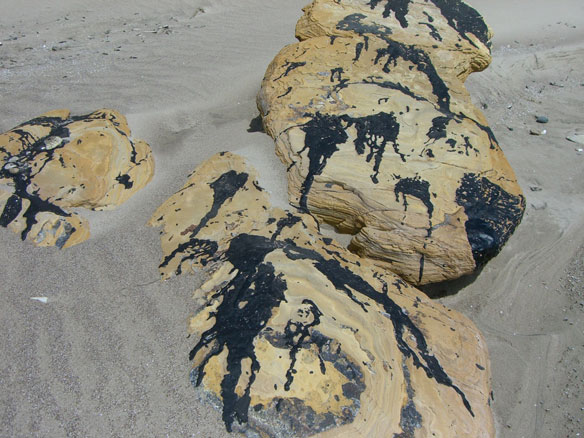
Beaches and river shorelines all over the world are at risk from oil spills. Spills are most likely to occur while oil is transported or transferred between oil tankers, barges, pipelines, refineries, and distribution or storage facilities. Spills may also occur during natural disasters (such as hurricanes), or through deliberate acts by countries at war, sunken ships, vandals, or illegal dumpers. Read More
Trash Pollution
Ocean Pollution... and Ocean Polluters
By Bekah Barlow
Did you know that it's legal to dump trash in the ocean? Yes, there are limitations for what you can and cannot dump. But it is perfectly acceptable to dump your raw sewage, paper, rags, glass, metal, bottles, or similar refuse, as long as you are at least 12 miles away from the nearest shoreline. It is not permissible to dump plastics anywhere. Read More
Surfing in / Pollution
Whale Found Dead in Washington, Had Swallowed Marine Debris
A gray whale found dead in Washington state’s Puget Sound had been feeding on shrimp and also had some debris, including pieces of rope and plastic, golf ball and some flat spongy material found in its stomach NOAA Fisheries said.
Oil spilled in Russian Arctic
An oil spill in the Russian Arctic at the Trebs field, affected an area of up to 8,000 square meters after workers tried to open an old well, causing oil to gush uncontrollably for 37 hours, spurting out up to 500 tonnes of oil per day.
China, Iceland Announce Deal on Oil-Rich Arctic
China and Iceland announced a deal on the oil-rich Arctic region Friday after Chinese Premier Wen Jiabao flew in to Reykjavik on the first stage of a four-nation European tour…
Plastic Garbage in Oceans: Understanding Marine Pollution from Microplastic Particles
Plastic bottles washed on to the beach are as much a part of the coast as the sound of seagulls. What the eye does not see are the innumerable ultra-small plastic objects which float in the water, are washed on to the beach or settle on the sea bed. The majority of microplastic particles are smaller than a grain of sand or the tip of a needle. It is this property that also makes them so dangerous to the sea dwellers…
Arctic Oil Rush Will Ruin Ecosystem, Warns Lloyd’s of London
Insurance market joins environmentalists in highlighting risks of drilling in fragile region as $100bn investment is predicted
More Rena Debris Washes Up, New Zealand
Debris from the Rena has started washing up on the Coromandel Peninsula, after the aft section of the vessel plunged further into the sea yesterday.
Comments Off
FDA Rejects NRDC Call to Eliminate BPA from Food Packaging
“The agency has failed to protect our health and safety, in the face of scientific studies that continue to raise disturbing questions about the long-term effects of BPA exposures. The FDA is out-of-step with scientific and medical research”- NRDC
Comments Off
North Sea Exclusion Zone
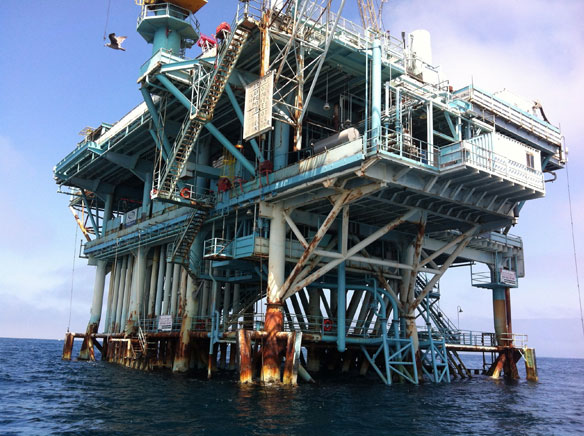
A cloud of explosive natural gas boiling out of the North Sea from a leak at Total’s abandoned Elgin platform forced wider evacuations off the Scottish coast on Tuesday as the French firm warned it may take six months to halt the flow.
Ocean Conservancy’s International Coastal Cleanup : 2011 Report
Ocean Conservancy’s International Coastal Cleanup has become the world’s largest volunteer effort for ocean health. Nearly nine million volunteers from 152 countries and locations have cleaned 145 million pounds of trash from the shores of lakes, streams, rivers, and the ocean on just one day each year.