
She survived Hurricane Sandy. Then climate gentrification hit
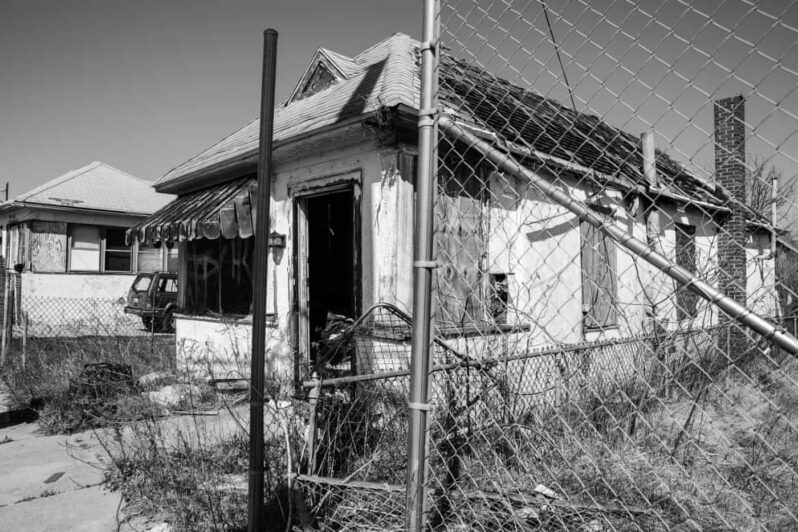
Kimberly White Smalls needed her coastal home rebuilt, but like other Black residents of New York’s Far Rockaway neighborhood, she was moved instead…
Resort plan for SC barrier island advances with county now saying it’s ‘ecotourism’
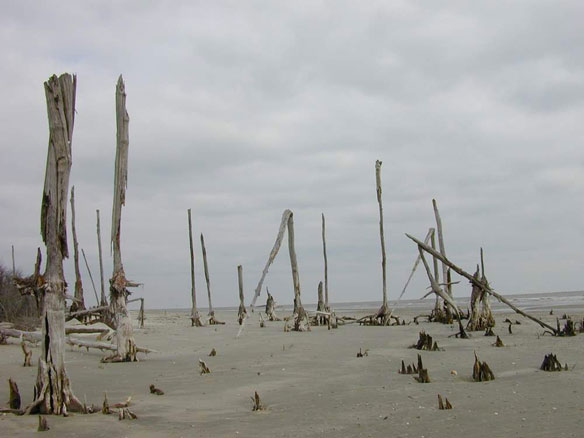
Plans to build a resort on a remote island off South Carolina’s coast took a step forward this week, now with word from Beaufort County staff that the plans can qualify as “ecotourism.”
Fixed for Failure: How flood insurance keeps dangerous homes standing in SC
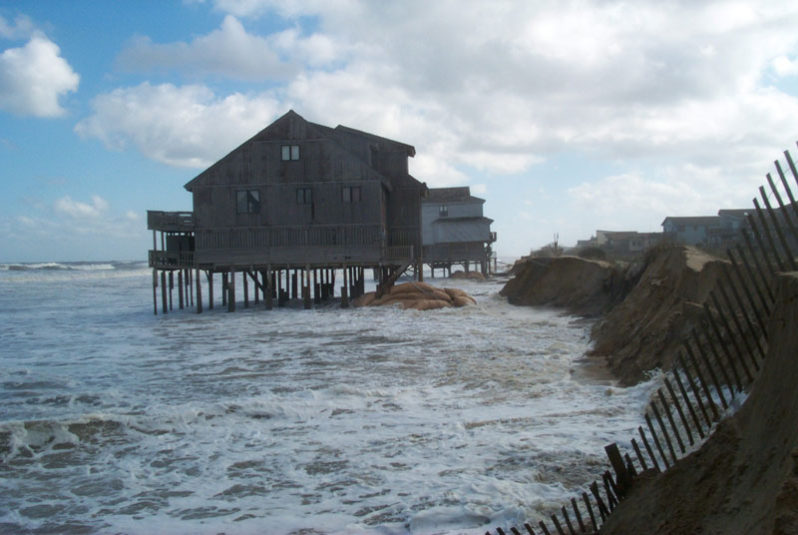
Flooding caused by rising tides, hurricane-force winds and rain deluges, has left a glut of damaged properties in South Carolina’s real estate market, specifically in cities along the coast.
Connecting coastal processes with global systems
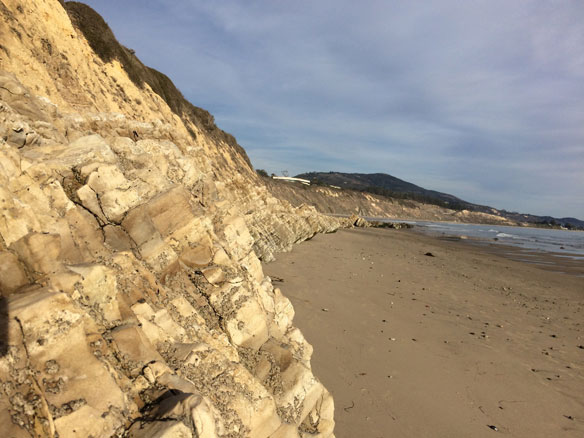
We live, work, and play at the coast. About 40 percent of the world’s population currently lives near the coast. By 2100, more than twice as many people could live in areas susceptible to flooding, given sea level rise, urban growth, and high carbon dioxide emission scenarios.
Editorial: Oppose barrier island development, South Carolina
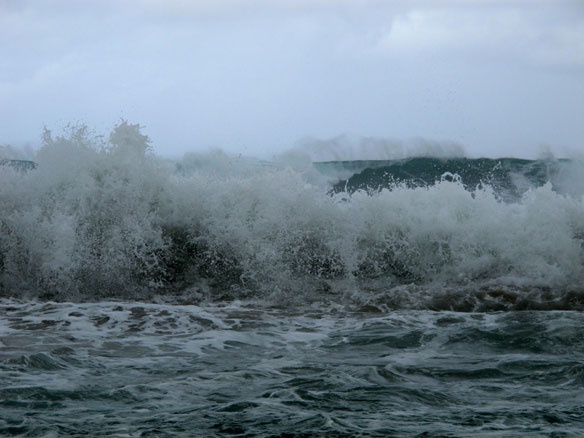
A $100 million project for a high-end resort on Bay Point Island didn’t meet Beaufort County’s definition of “ecotourism” in December. But now they do.
Research shows how park-like tsunami defenses can provide a sustainable alternative to towering seawalls
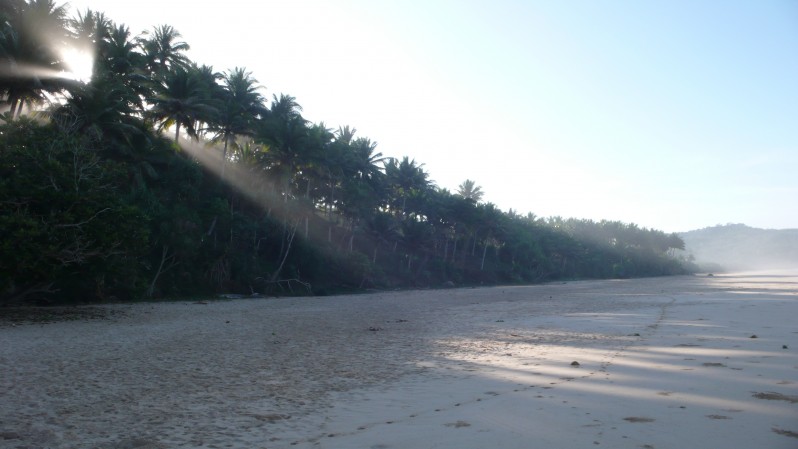
Giant seawalls are the conventional approach to mitigating tsunami risk. But, coastal forests can help put the brakes on tsunami flow speeds in costal communities. These and other nature-based solutions are increasingly important in plans for coastal risk management, researchers demonstrated.
Trump refused permission to build sea wall at Irish golf course
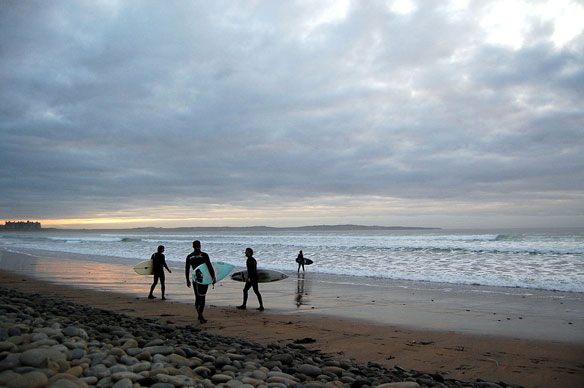
A golf course and hotel owned by President Donald Trump has been refused planning permit to build a sea wall designed to protect the fairways from coastal erosion by authorities in Ireland.
As SC island homes fall into ocean, owners behind them wonder if they’re next
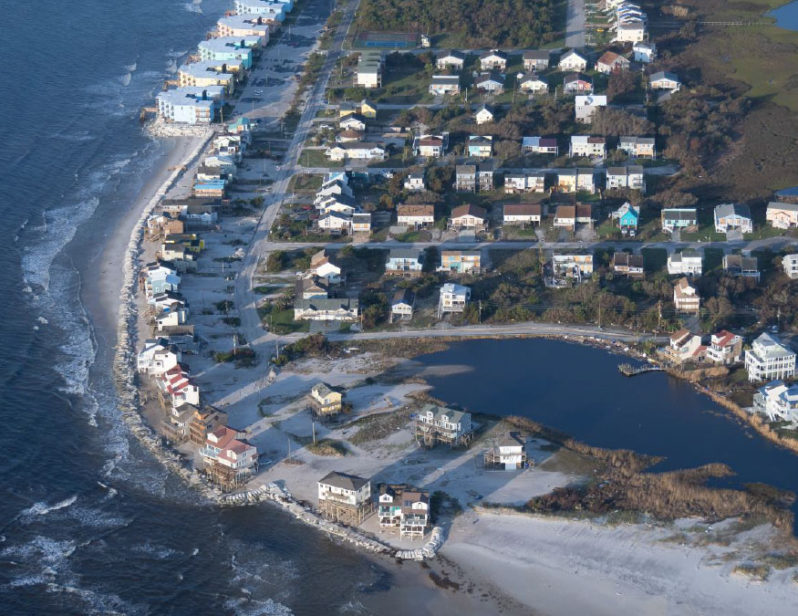
This small slip of land on the eastern tip of Beaufort County is the legacy of an opportunistic time when a wave of businessmen descended on the South Carolina coast keen-eyed for fragments of paradise to package and sell off.
Series of coastal engineering projects underway amid race to save Waikiki Beach
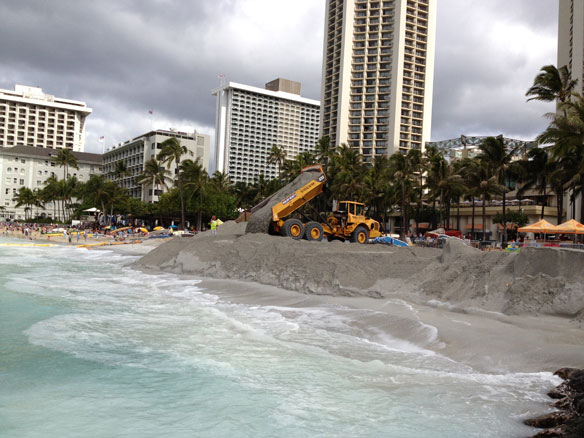
A $700,000 — 95-foot-long sand bag groin made of 83, 10,000-pound bags of sand — installed in November to restore the coastline and slow erosion at Kuhio Beach, is to be followed by another more expensive project.