
The Speed of Change: Oceans in Distress, An International Report
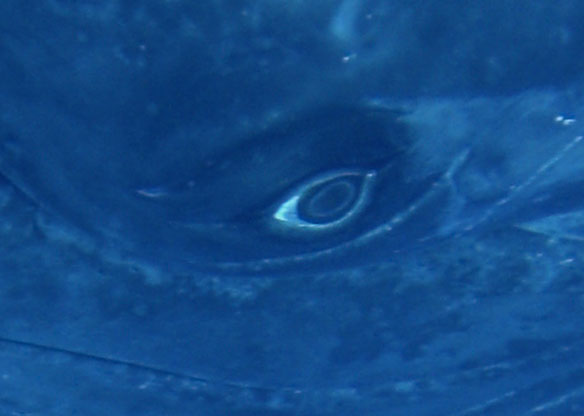
Sponsored by the International Programme on the State of the Ocean (IPSO), the 27 participants from 18 organisations in 6 countries produced a grave assessment of current threats, and a stark conclusion about future risks to marine and human life if the current trajectory of damage continues: that the world’s ocean is at high risk of entering a phase of extinction of marine species unprecedented in human history.
The Mediterranean and Climate Change’s Impacts
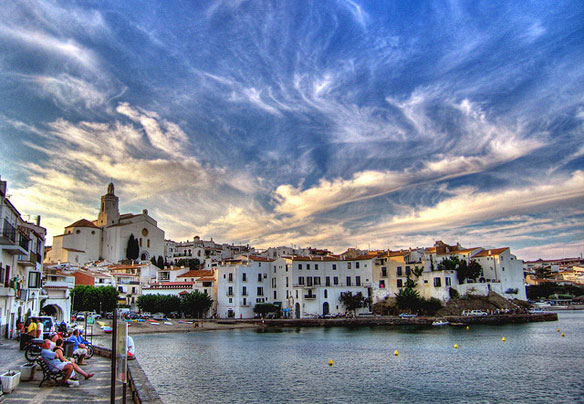
One of the most serious threats to life in the Mediterranean region, and indeed every part of the global ocean, is climate change. Climate change is already having an impact on the marine environment and this is likely to escalate swiftly, increasing seawater temperatures and coastal erosion, altering salinity and currents and causing serious declines in biodiversity.
Cuba: Sea levels to rise more than 30 in. by 2100
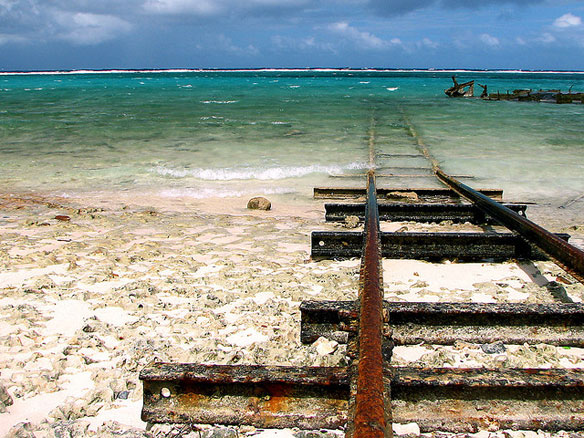
Cuban scientists warn that right now it is urgent to preserve mangroves, coral reefs, sea grass and sand beaches. Each of these ecosystems is a natural barrier to defend the coasts from the impact of climate change and sea level rise. Most of the 400 beaches of Cuba’s territory are affected by erosion with a receding coastline estimated at 1.2 meters per year.
2011 Ashden Awards international finalists, in pictures
Eight sustainable energy pioneers from Africa and Asia have been selected as international finalists for the prestigious Ashden Awards for sustainable energy 2011.
Coastal Dunes, Lençóis Maranhenses, Brazil

It seems incredible, but in a country that keeps around 30% of the fresh water and shelters the largest rain forest in the world, we can find a “desert.” Located on the north shore of Brazil, the Lençóis Maranhenses National Park is an area encompassing roughly 1000 square kilometers of blinding white dunes and deep blue lagoons, forming one of the most beautiful and unique places in the world.
Italy says Yes to a nuclear energy free future
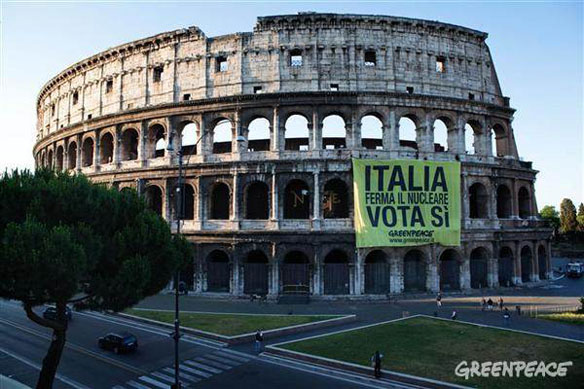
In the past weekend Italians’ were called to cast their vote on four referendums, one of which was about the production of nuclear energy in Italy. 95% of voters have chosen for a future free of nuclear energy.
One million Bangladesh Homes on Solar Power
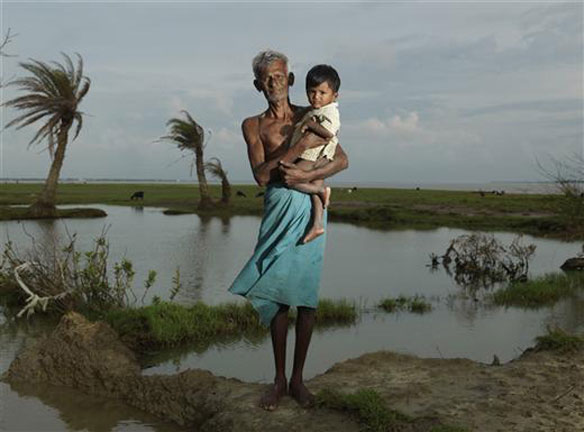
The number of households in electricity-starved Bangladesh using solar panels has crossed the one million mark, the fastest expansion of solar use in the world.
Human Activities Produce More Carbon Dioxide Emissions Than Do Volcanoes
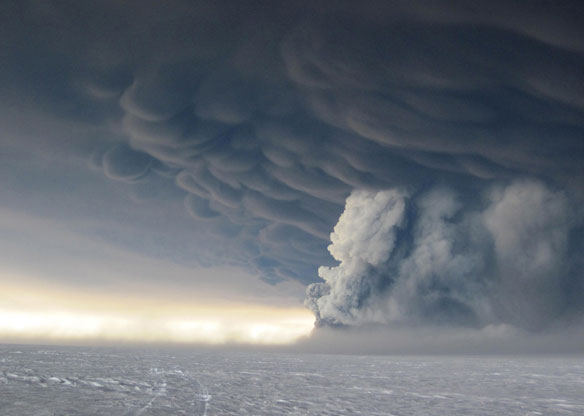
On average, human activities put out in just three to five days, the equivalent amount of carbon dioxide that volcanoes produce globally each year.
Climate change: How do we know?
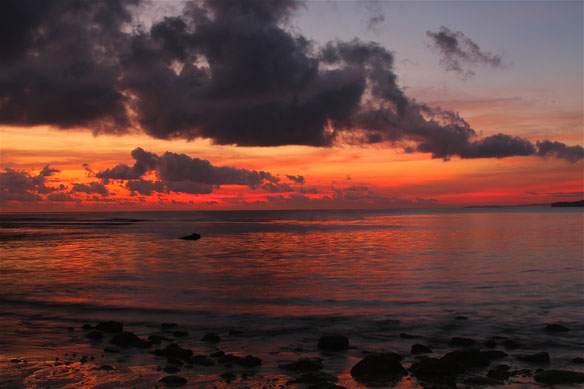
The current warming trend is of particular significance because most of it is very likely human-induced and proceeding at a rate that is unprecedented in the past 1,300 years. In the meantime, the fate of the only international agreement that sets binding targets for curbing greenhouse gases is hanging by a thread…