
Japan finds radiation in rice, more tests planned
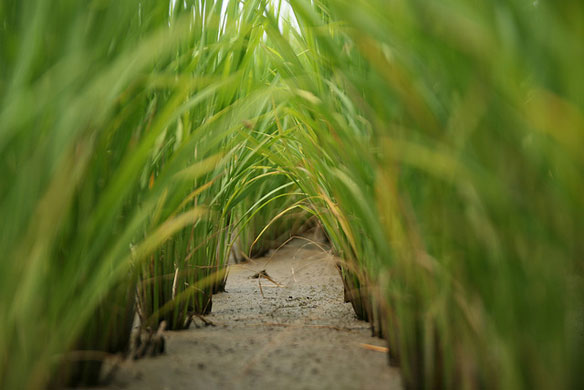
Japan is ordering more tests on rice growing near Fukushima Dai-ichi nuclear power plant, after finding elevated levels of radiation, government officials said Saturday.
Oil Still Threatens a Cajun Paradise
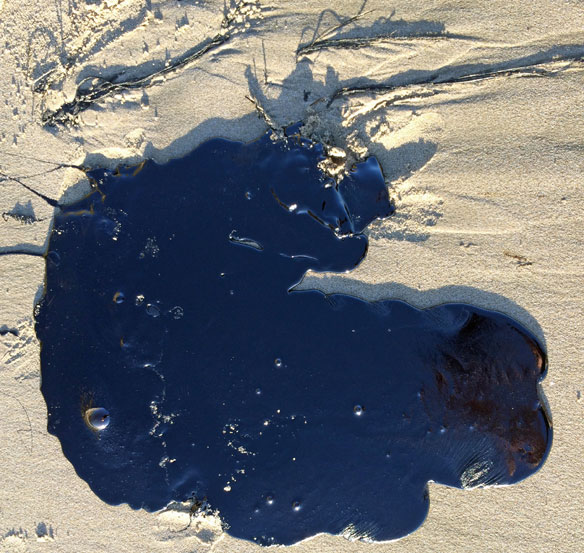
More than a year after the BP well was plugged, oil still floats on the surface and moves with the wind, spreading its tentacles to birds and fish and anything else that touches its toxic trail across the sea.
Huge Ancient Roman Shipyard Unearthed in Italy
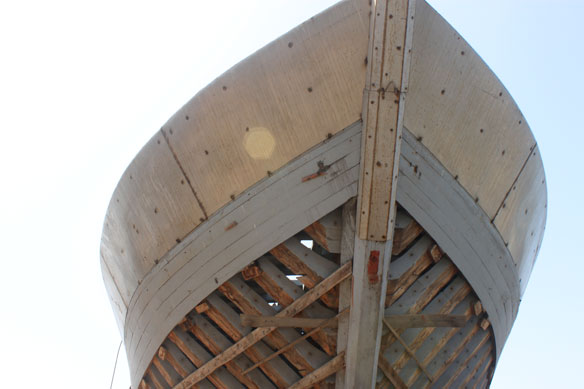
Few Roman Imperial shipyards have been discovered and, if all identification are correct, this would be the largest of its kind in Italy or the Mediterranean.
Nitrate Levels Rising in Northwestern Pacific Ocean
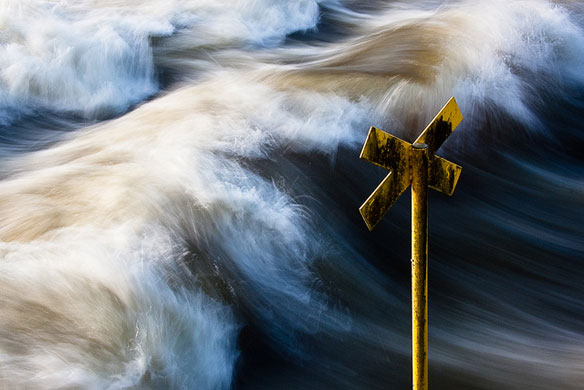
Changes in the ratio of nitrate to phosphorus in the oceans off the coasts of Korea and Japan caused by atmospheric and riverine pollutants may influence the makeup of marine plants and influence marine ecology, according to researchers from Korea and the U. S.
The Sea: The First Wonder Of The World, In Pictures
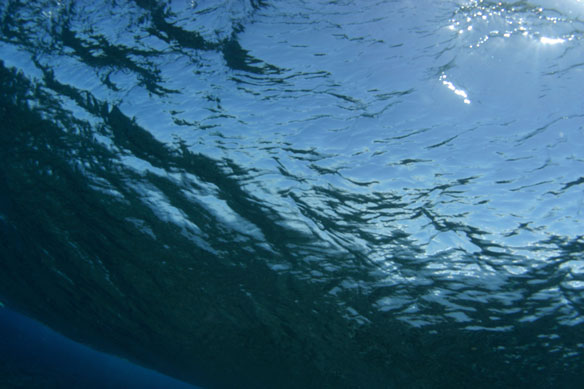
Images from The Sea, a photography collection.
Approaching the 2011 Arctic Sea Ice Minimum, NASA Animation
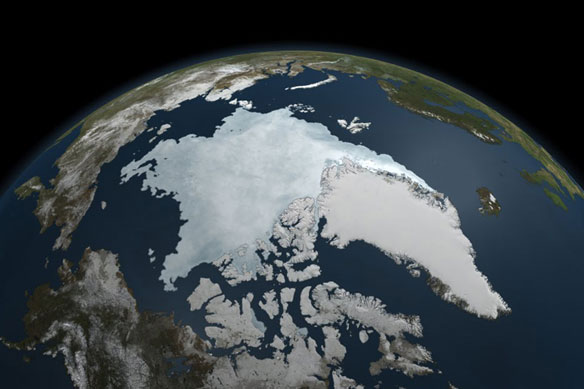
Every year, the frozen Arctic Ocean emerges from winter and thaws under the 24-hour light of the summer sun. Each year is different: sometimes ice retreats from the shores in dramatic fashion and other years have a more gradual melt. 2011 proved to be a year of extreme melt.
Scottish Nuclear Fuel Leak Will Never Be Completely Cleaned Up
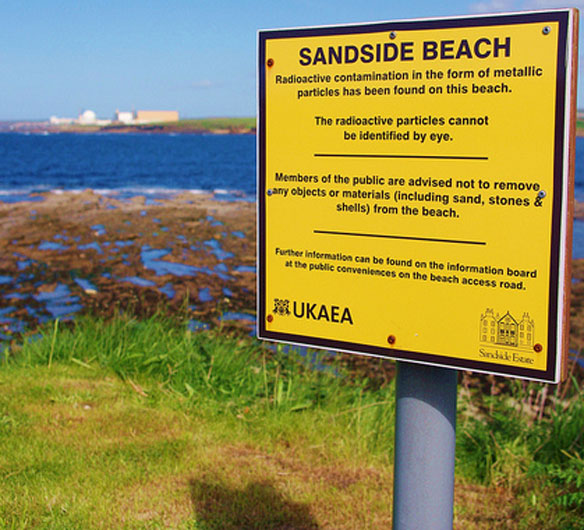
Radioactive contamination that leaked for more than two decades from the Dounreay nuclear plant on the north coast of Scotland, polluting local beaches, the coastline and the seabed, will never be completely cleaned up, a Scottish government agency has admitted.
BP oil not degrading on Gulf floor, study says
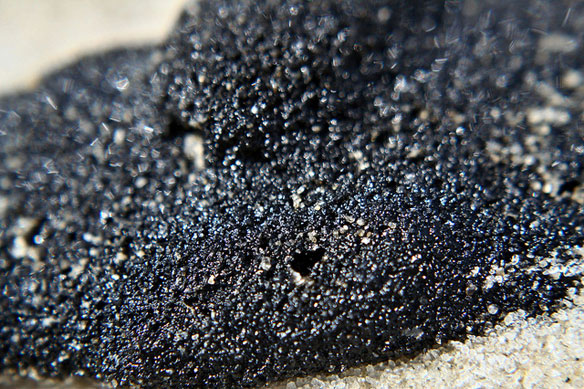
Recent tests confirm that the wave of tar balls that hit Alabama’s beaches after Tropical Storm Lee, was from last year’s BP oil spill in the Gulf of Mexico. The study lead by Auburn University scientists, concludes that mats of oil are still submerged on the Gulf seabed, and the material could pose a long-term threat to coastal ecosystems.
A powerful typhoon slammed into Japan
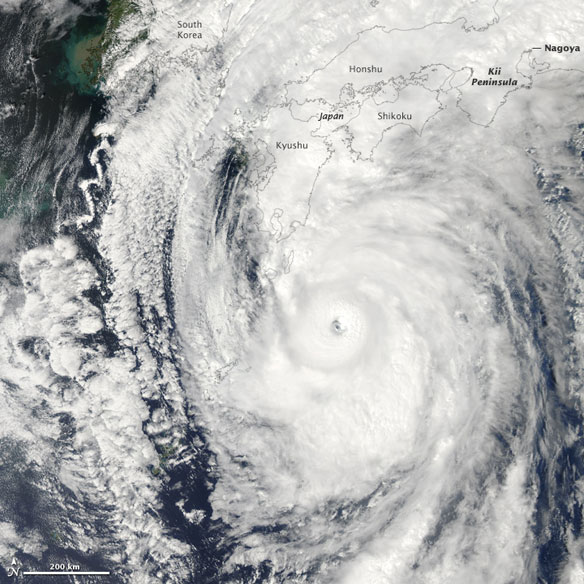
A powerful typhoon with surging waves slammed into Japan on Wednesday, packing sustained winds of up to 100 mph (162 kph).