
Santorini Shows Signs of Volcanic Unrest, Greece
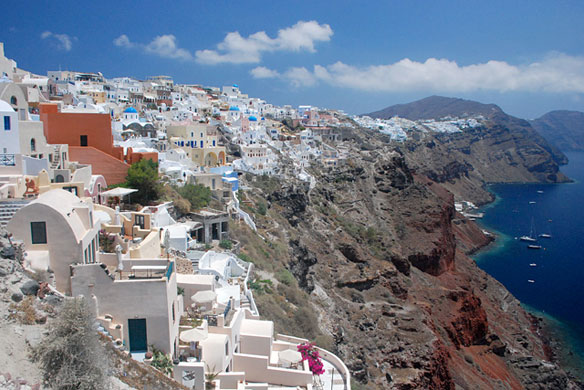
The volcanic caldera on the picturesque island of Santorini is showing signs of unrest. The Greek island was the site of one of the most massive volcanic eruptions in history 3,600 years ago. That eruption, which created tsunamis 40 feet (12 meters) tall, may have spawned the legend of the lost city of Atlantis. The volcano last erupted in 1950, albeit on a much smaller scale.
Asia and Pacific: climate disasters displace 42 million
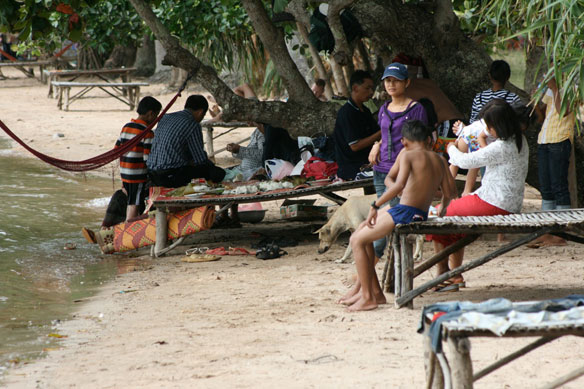
Climate-related disasters have displaced more than 42 million people in Asia over the past two years. The environment is becoming a significant driver of migration in Asia and the Pacific as the population grows in vulnerable areas, such as low-lying coastal zones and eroding river bank.
Controversial dam projects – in pictures
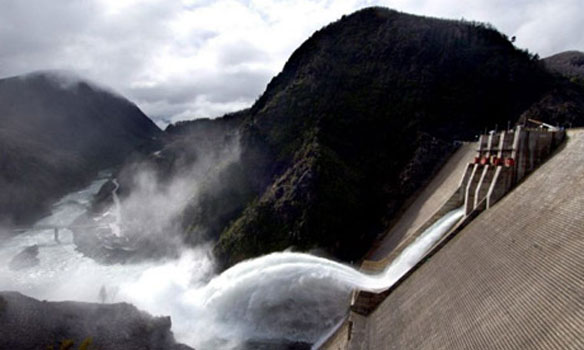
To mark the international day of action for rivers on Wednesday, a look is taken at some of the world’s most contentious dam projects, from the Three Gorges in China to Brazil’s Belo Monte dam.
Rising Sea Levels Seen as Threat to Coastal U.S.
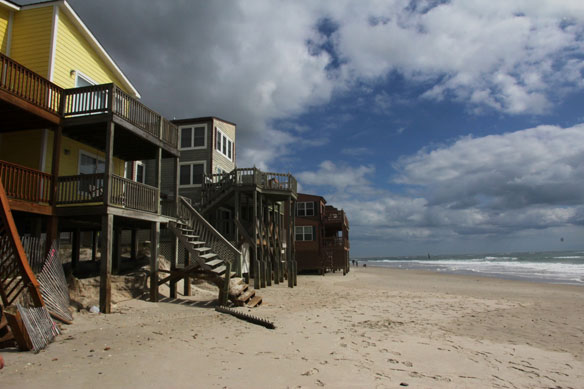
About 3.7 million Americans live within a few feet of high tide and risk being hit by more frequent coastal flooding in coming decades because of the sea level rise caused by global warming, according to new research.
Some Relief for the Reef
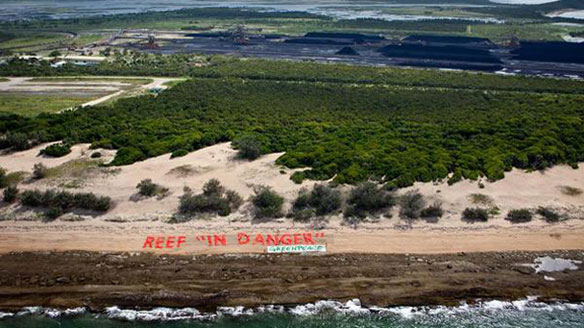
United Nations experts will be presented with a petition that has more than 100,000 signatures on it, calling for an end to dredging and development near the Great Barrier Reef off Queensland.
Earthquakes Jolted Japan’s Coast
A 6.1 earthquake, which caused substantial shaking in Ibaraki and Chiba prefectures east of Tokyo, followed just a few hours after a magnitude 6.8 quake jolted northern Japan. A tsunami warning was issued but later lifted after that earthquake.
The Seafloor Focuses and Merges Tsunami Waves
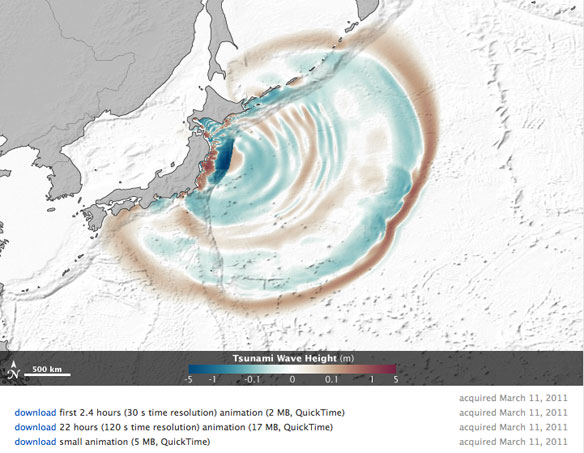
Scientists have known for years that the shape of the seafloor plays a role in how tsunami waves build up as they approach the coastline. A year after the earthquake and tsunami, rebuilding Japan’s coastal cities to withstand tsunamis remains a challenge.
Rethinking Living Shorelines
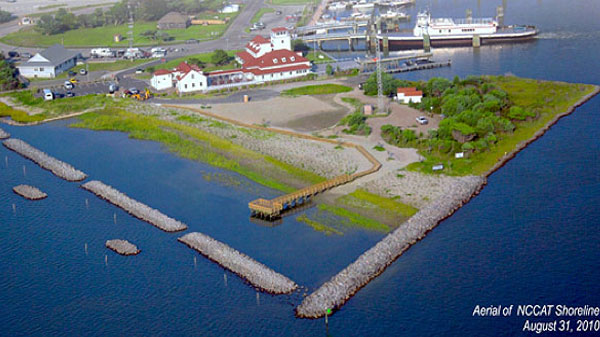
In response to the detrimental environmental impacts caused by traditional erosion control structures, environmental groups, state and federal resource management agencies, now advocate an approach known as “Living Shorelines” that embraces the use of natural habitat elements such as indigenous vegetation, to stabilize and protect eroding shorelines. By Orrin H. Pilkey, Rob Young, Norma Longo, Andy Coburn.
Salt-loving Plants Could Help Ease Food Crisis

Plant scientists said they had bred a strain of wheat that thrives in saline soils, boosting the quest to feed Earth’s growing population at a time of water stress and climate change. The first beneficiaries of this could be Japanese farmers whose fields were submerged by last year’s tsunami…