
Climate change threatens Seychelles habitat
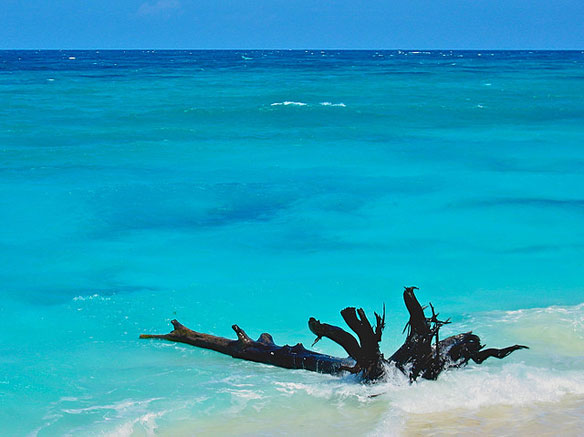
As changing season patterns bring harsher storms, storm surges, higher tides, and also much longer dry spells, international organisations are helping fight climate change in the tiny nation, the only one in the world where 50 percent of the land is a nature reserve.
Sea-Level Rise, Subsidence, and Wetland Loss
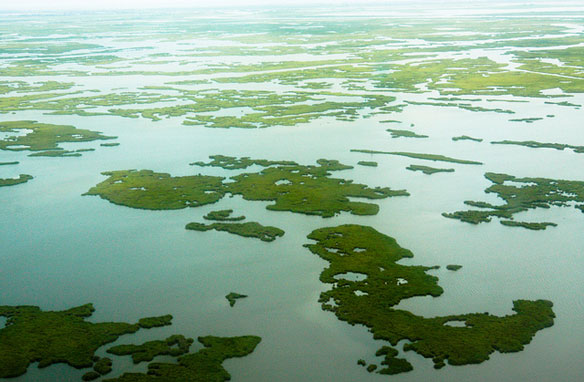
A USGS video describes causes of wetland loss in the Mississippi River Delta.
What Have Scientists Learned About the 2011 Japan Quake Cause and Consequences?
The last time something remotely similar had happened was more than 1,000 years ago and, even in a country that prides itself on its shared cultural memory of the distant past, that event had been largely forgotten. Since that time, much has changed. People and development have sprung up along the coast, along with a string of nuclear reactors. Everything, it seemed, had changed in the intervening millennium, except the ocean…
Kiribati: Entire Pacific Nation Could One Day Move to Fiji
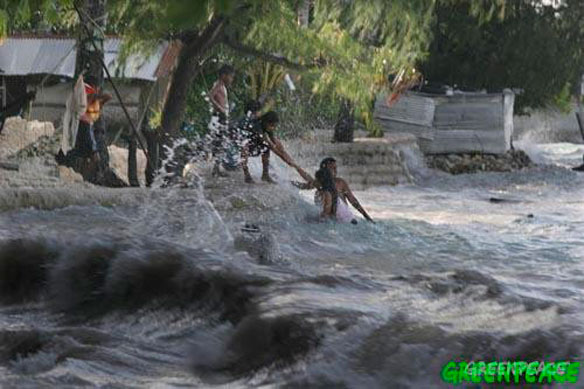
Fearing that climate change could wipe out their entire Pacific archipelago, the leaders of Kiribati are considering an unusual backup plan: moving the populace to Fiji.
Senate Approves States Receiving Gulf Spill Fines
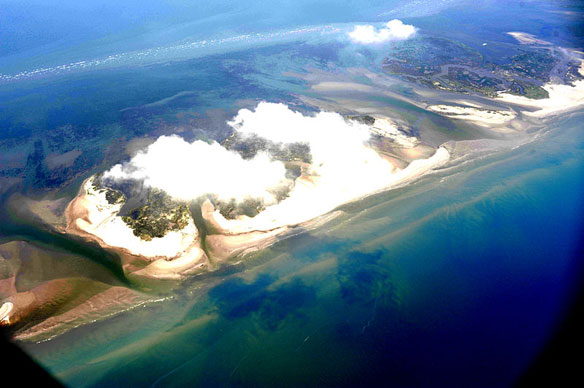
The Senate approved Thursday using the bulk of water pollution fines stemming from the 2010 Gulf oil spill to pay for restoration in five Gulf states, a move hailed by environmental groups and state officials.
When It Comes to Creating Wetlands, Mother Nature Is in Charge
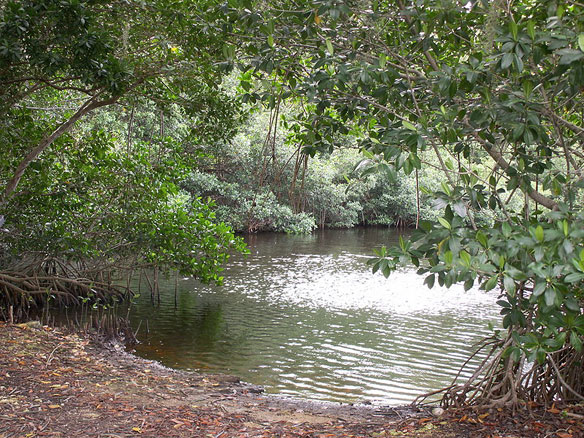
Fifteen years of studying two experimental wetlands has convinced a researcher that turning the reins over to Mother Nature makes the most sense when it comes to this area of ecological restoration.
Mass Dolphin Rescue Witnessed off Rio Coast
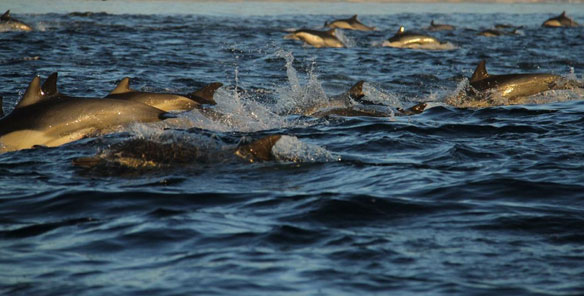
A dramatic video showing 30 beached dolphins being successfully rescued by beachgoers in Brazil has become an internet sensation.
Landslide raises questions about $15.7 billion Exxon plan
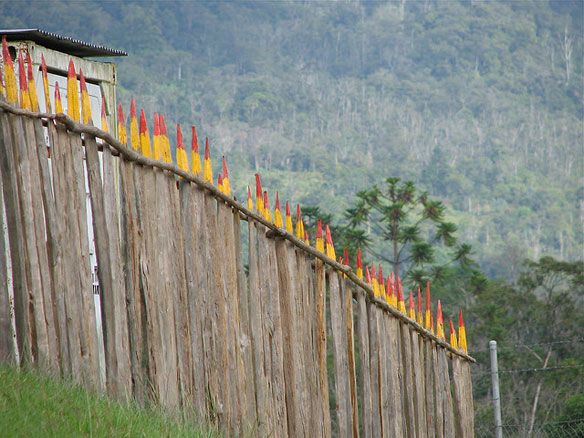
A deadly landslide in the mountains of Papua New Guinea, near where U.S. oil major Exxon Mobil is building a $15.7 billion gas project, is raising fresh questions about the global energy industry’s scramble for ever harder-to-reach resources…
Better Beaches for Everybody
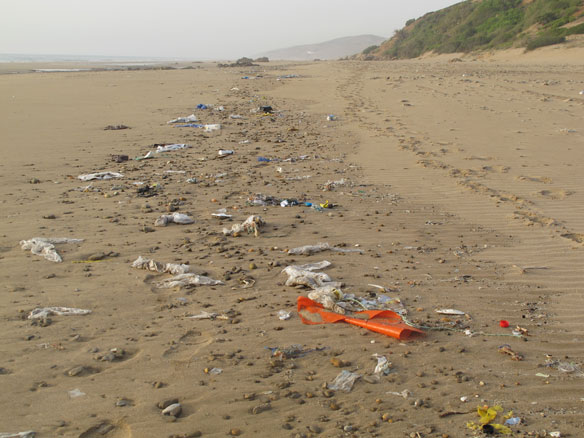
“Studying plastics in the marine environment through UNCW over the past four years, I have studied beaches in Hawaii, Bermuda, South Africa, Brazil, and California taking samples from the wrack line. On all the beaches mentioned, I have found a higher concentration of broken fragments of plastics than cigarette butts. But Wrightsville Beach tells a very different story…”