
Strait of Tiran, Red Sea and Gulf of Aqaba
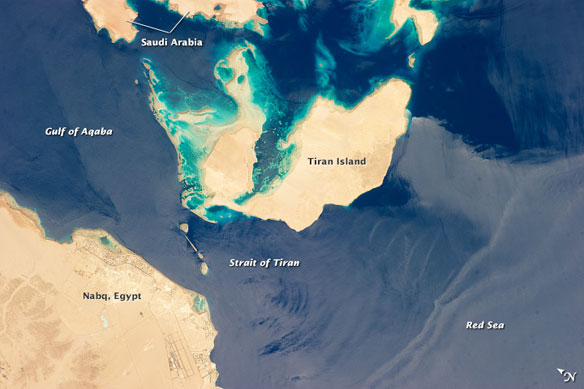
The six-kilometer-wide Strait of Tiran between the Egyptian mainland and Tiran Island separates the Gulf of Aqaba from the Red Sea.
Japan Nuclear Body Says Radioactive Water At Fukushima An Emergency
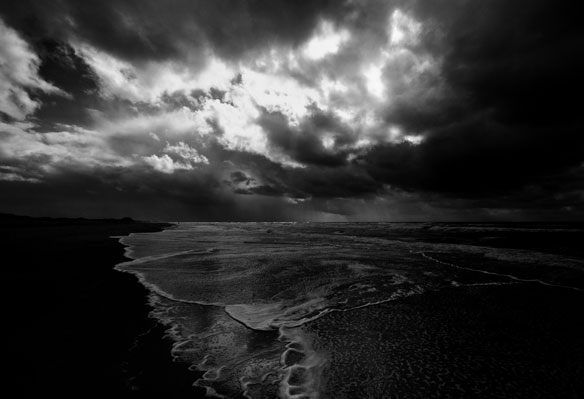
Highly radioactive water seeping into the ocean from Japan’s crippled Fukushima nuclear plant is creating an “emergency” that the operator is struggling to contain.
Sand Mining Issue: “Impact Cannot Even Be Calculated”
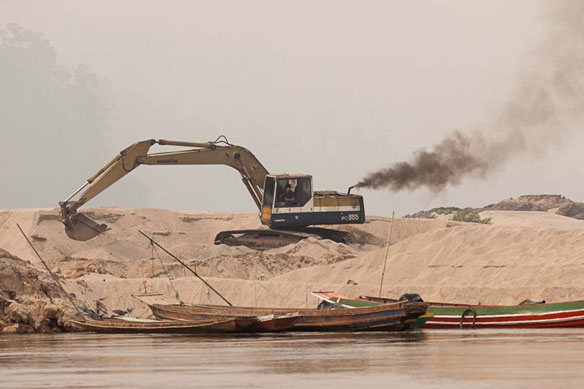
From forcing the river to change its course, to affecting the groundwater tables and adversely impacting the habitat of micro-organisms, the ramifications of illegal sand mining are many.
South Africa: Two oceans, 1700 Miles Of Coastline, And Series of Swells On The Way
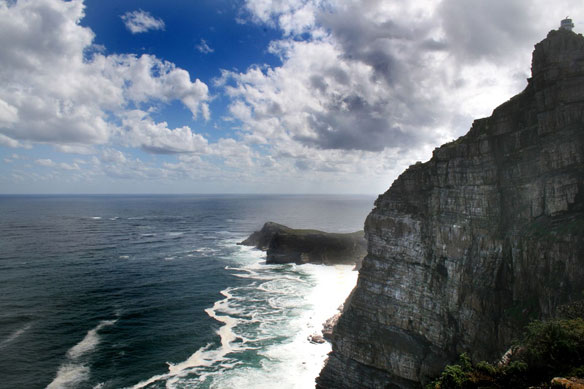
At the tip of Southern Africa lies Cape Point, a prized tourist attraction and one of the country’s most beautiful, secluded beaches.
Why Illegal Sand Mining Is Profitable In UP, India

The seemingly unceasing mining operation on the Yamuna and Hindon riverbeds in western Uttar Pradesh is encouraged by the increasing demand for sand for construction by realtors.
Heat Intensifies Siberian Wildfires
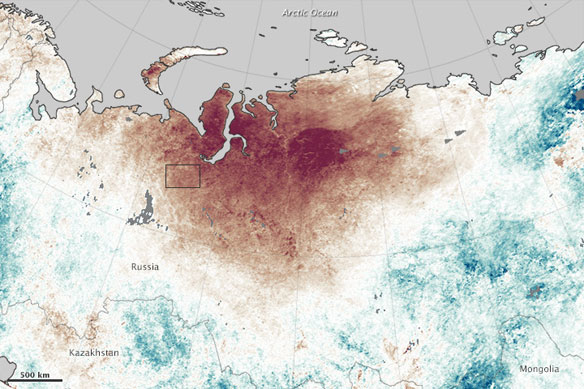
Weather occurs within the broader context of the climate, and there’s a high level of agreement among scientists that global warming has made it more likely that heat waves and wildfires of this magnitude will occur. While temperatures are increasing globally, the warming in Russia since the mid-1970s has been more rapid than most areas.
Southern California Beaches Are Starving. Do We Nourish Them Enough?
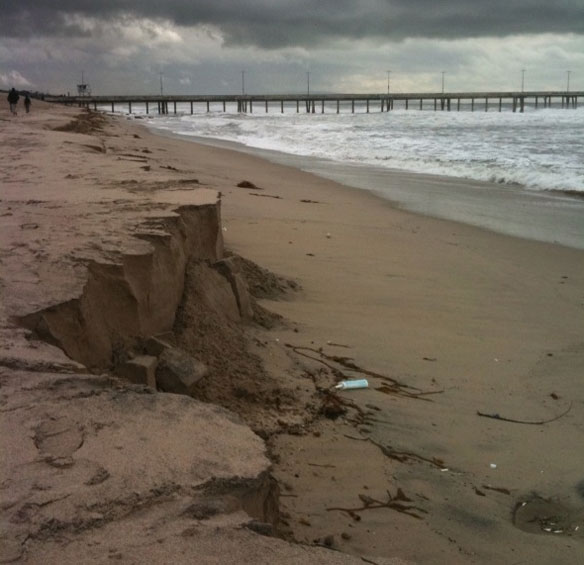
The natural processes that bring sand to most beaches in Southern California have been disrupted by development and other human activities.
Back to the future: Scientists look into Earth’s “Deep Time” to predict future effects of climate change

Climate change alters the way in which species interact with one another, a reality that applies not just to today or to the future, but also to the past.
Sediment Trapped Behind Dams Makes Them ‘Hot Spots’ for Greenhouse Gas Emissions
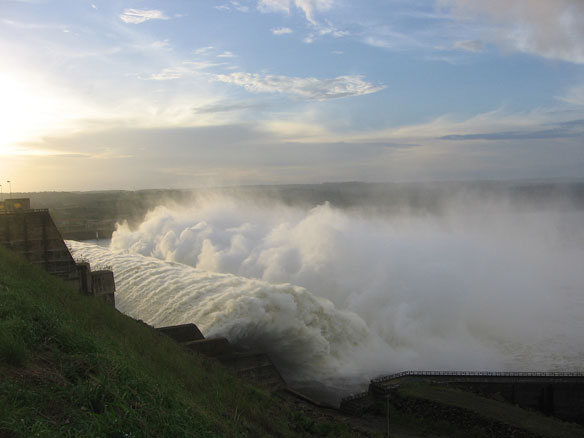
The large reservoirs of water behind the world’s 50,000 large dams are a known source of methane. Methane has a warming effect 25 times more powerful than carbon dioxide. That knowledge led to questions about hydroelectric power’s image as a green and nonpolluting energy source.