
Amsterdam Island, Indian Ocean
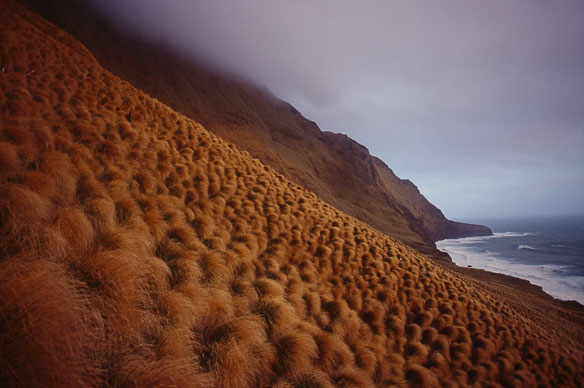
This distant, lonely volcanic rock brings new meaning to the phrase “the middle of nowhere.”
Coastal marshes more resilient to sea-level rise than previously believed
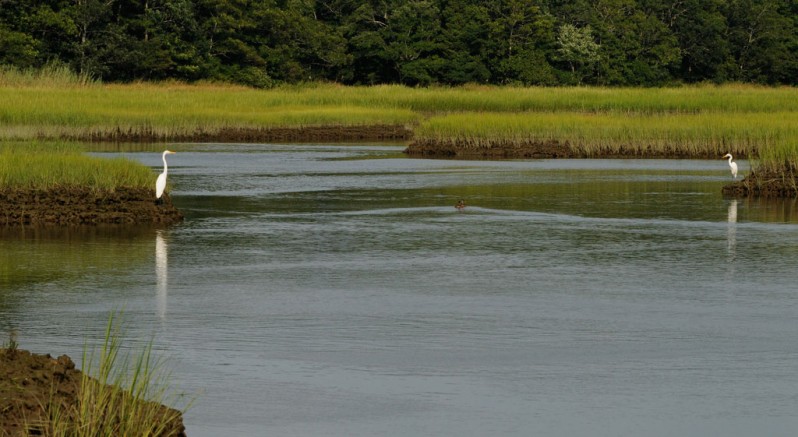
Rising seas threaten coastal marshes worldwide. But a new Duke University study finds marshes are more resilient than previously believed.
March of the mangroves good news for blue carbon storage
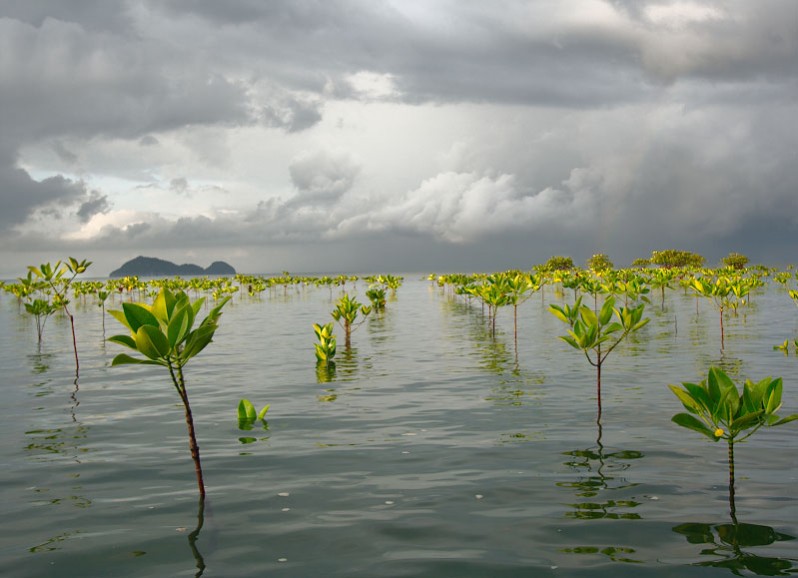
The carbon capture and storage capacity of wetland vegetation, known as blue carbon, makes coastal habitats some of the most carbon rich ecosystems on the planet. A new study by Australian environmental scientists investigating the impact of shifts in coastal vegetation over a 70 year period, provides unique insight into how blue carbon stocks change.
Carlsbad asks for emergency repairs to Highway 101, California
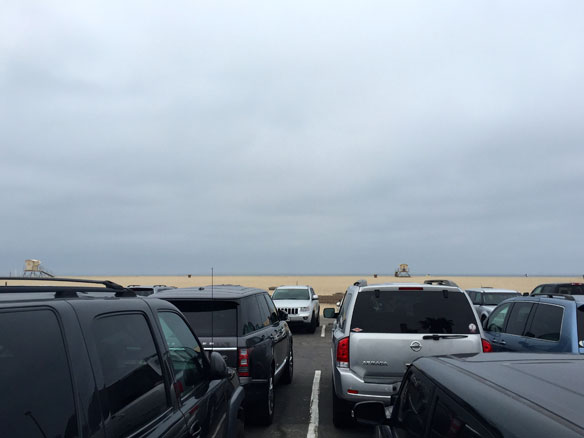
Astronomical high tides have washed away large sections of the beach and eroded chunks from the shoulder of Carlsbad Boulevard, also known has Highway 101.
Sixty years on, Attenborough back to Great Barrier Reef for new series
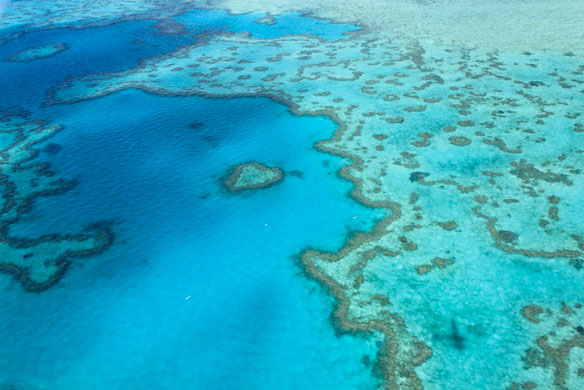
British naturalist Sir David Attenborough first visited Australia’s Great Barrier Reef in 1957, scuba-diving in its crystal clear waters along with an array of species. Nearly 60 years later, the 89-year-old returns to the world’s largest coral reef for a new television series, exploring the spectacular ecosystem.
The Ocean Is Contaminated by Trillions More Pieces of Plastic Than Thought
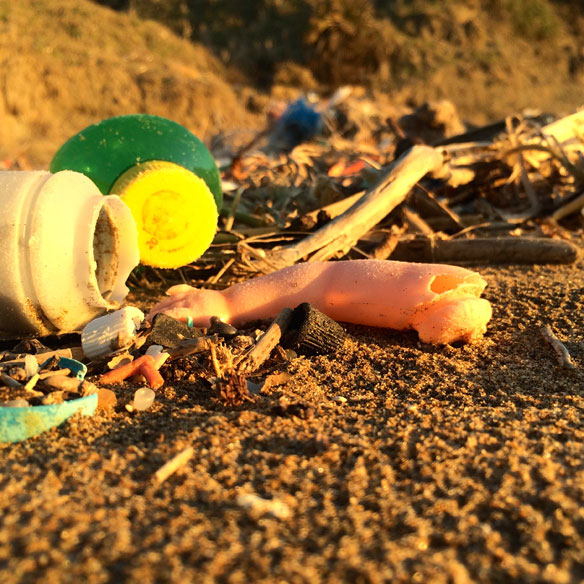
A new study suggests there are 15 to 51 trillion micro plastic particles (those less than 200 millimeters in size) in the world’s oceans, weighing between 93 and 236,000 metric tons. This is about seven times more than scientists had previously estimated.
Why Paris Worked: A Different Approach to Climate Diplomacy

The next few years are crucial in determining whether Paris was a flash in the pan or a real shift toward a more effective strategy. Success on the road from Paris is far from assured. It must be earned; confidence must be built.
As Sea Levels Rise, Are Coastal Nuclear Plants Ready?
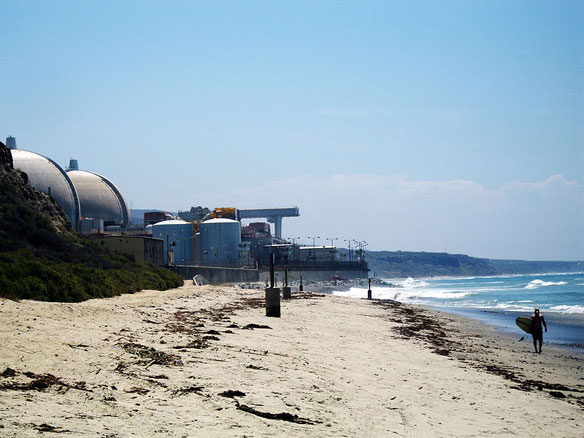
Safety concerns have stoked opposition to nuclear. Reactors can’t operate safely without uninterrupted power and vast amounts of cool water, which is why they’re often located near coastlines, rivers, and lakes.
727 People on Chesapeake Bay Island Could Become America’s First ‘Climate Refugees’

Rising seas will likely render the last inhabited island in Virginia uninhabitable in 50 years, a new study finds.