
Sea level rise looms, even for the best-prepared country on Earth – MONGABAY
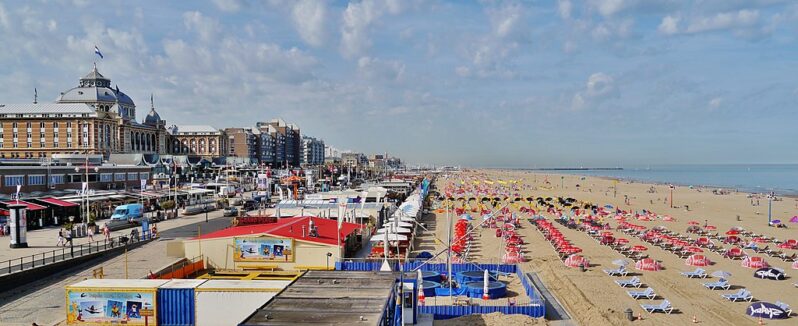
With more than a quarter of its land below sea level, the Netherlands has been going to great lengths to protect itself from the impacts of climate change, including sea level rise and extreme weather events like heavy rain. But even with the wealth and experience to address these issues, the future remains uncertain, mainly because a range of possible scenarios could play out after 2050…A misty rain blows against my face as I follow Farah Obaidullah along Scheveningen Beach in the northwest part of The Hague. Despite the wind and drizzle, the shoreline feels calm. Gray waves roll into the sand like long, deep breaths. Machines have raked the beach into a well-manicured carpet of grains and shell fragments…
Microworlds: Bugs on the Rocks – Hakai Institute

If you thought sand was tough enough for insects, meet the bugs that make a living on British Columbia’s rocky seaside, where conditions swing wildly between extremes. One moment, they could drown. The next? Get baked in the sun. But certain strange-looking creatures have adapted to life on the edge here…
One-third of India’s coastline is vulnerable to erosion, impacting coastal communities – The New In
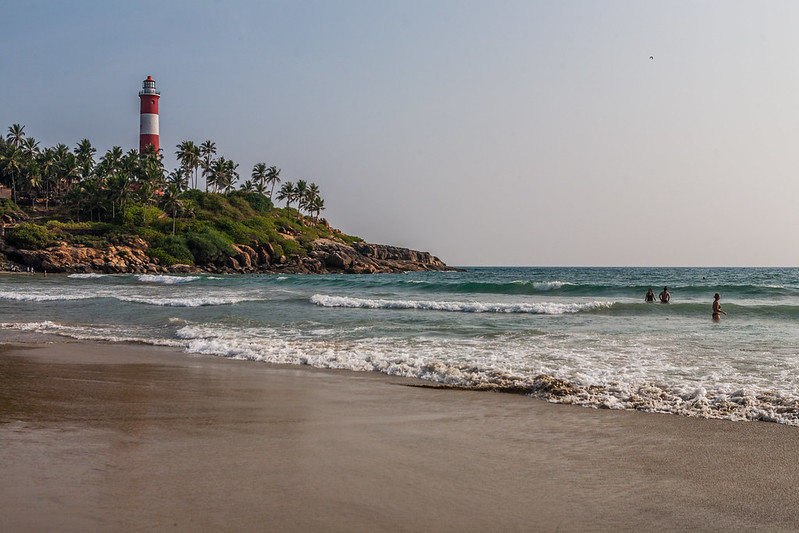
The Centre has observed that 33.6 per cent of the Indian coastline was vulnerable to erosion, 26.9 per cent was under accretion (growing), and 39.6 per cent was in a stable state.
One-third of India’s coastline is vulnerable to erosion, impacting coastal communities residing in erosion-prone areas, including fishermen communities…
From Gas Wells to Rubber Ducks to Incineration, the Plastics Lifecycle Causes ‘Horrific Harm’- Inside Climate News

With plastic production expected to triple by 2060, a scientific commission this week recommended banning or severely restricting the manufacture and use of unnecessary plastics.
Plastic causes illness and death across its lifecycle, from production to use and disposal, a team of nearly 50 scientists concludes in a report made public Tuesday…
In the wake of historic storms, Māori leaders call for disaster relief and rights – Grist Magazine
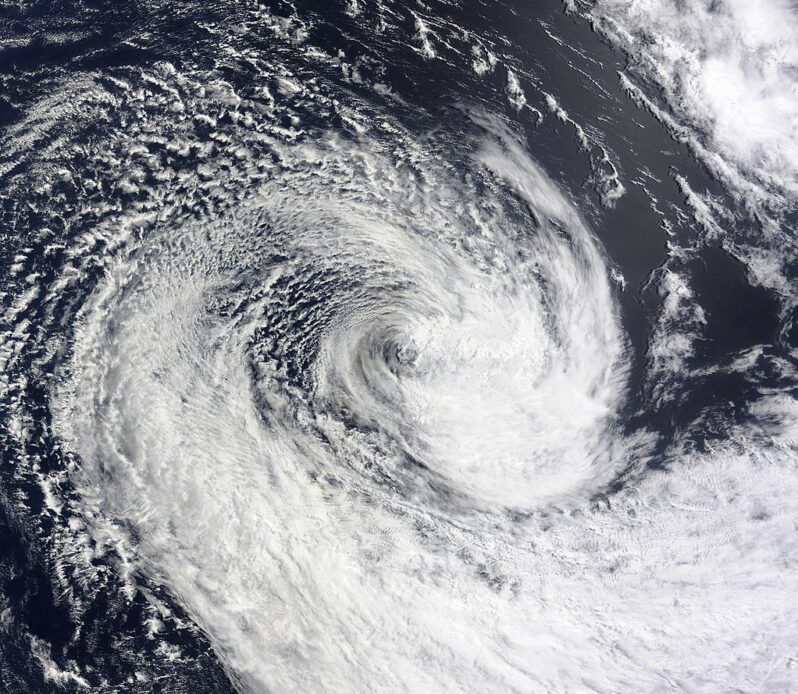
In the wake of historic storms, the Māori say New Zealand must center Indigenous peoples in climate disaster plans…“Because climate events have gotten more and more intense, it’s at a point of our communities will either get wiped out through more storms or have to choose to leave their homelands,” Renee Raroa, a Ngati Porou Māori representative from Mana Taiao Tairāwhiti in eastern New Zealand, said. “We’re running out of options…”
Increasing Rate of Warming of Oceans + Earth . . .
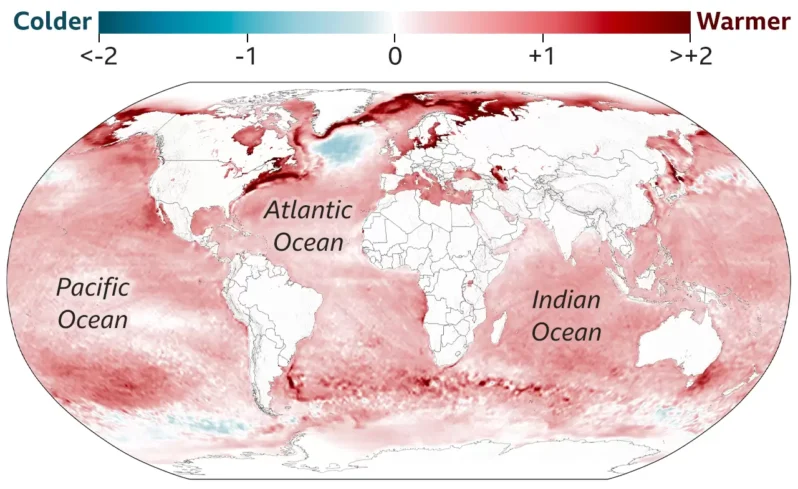
A troubling study appeared last week indicating that over the past 15 years the Earth absorbed as much heat as it had during the prior 45 years, and most of that excess energy went into warming the ocean…