
Ecosystems as Infrastructure: A New Way of Looking at Climate Resilience – Yale Environment 360

Landscape architect Kate Orff works on rebuilding natural systems to help communities and cities reduce their climate risks. Places with interwoven ecological systems, she says, are more resilient and better able both to respond to emergencies and adapt for the future….
Inside the Marshall Islands’ life-or-death plan to survive climate change – Grist Magazine

The Pacific island nation is seeking $35 billion to protect against sea-level rise and prevent a mass exodus…“We call it our national adaptation plan, but it is really our survival plan,” said John Silk, the foreign minister of the Republic of the Marshall Islands…
No, 11,200 Climate Refugees Aren’t Heading to Australia – the New York Times
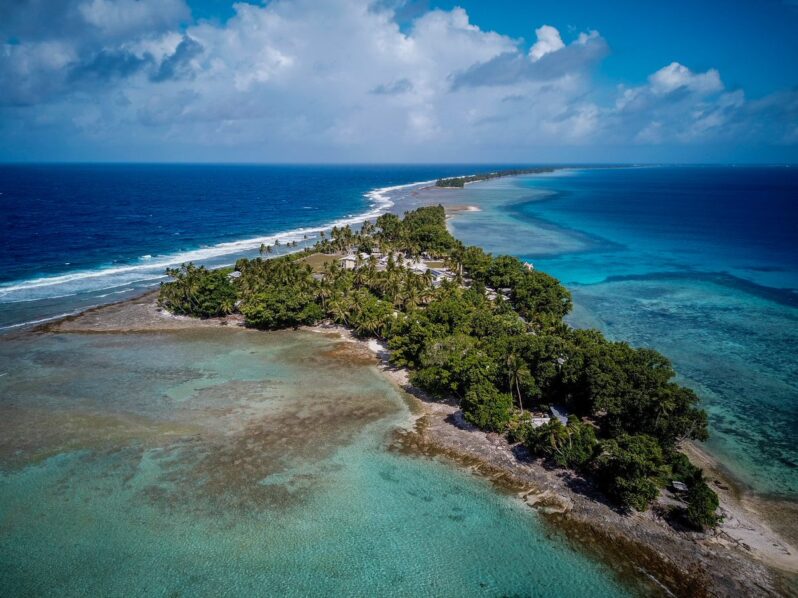
Low-lying Tuvalu has reached a deal with its large Pacific neighbor to address the challenge of rising oceans, but it is not planning to pack up and go…
Lessons from California on How to Adapt to Sea Level Rise – NPR | On Point with Meghna Chakrabarti
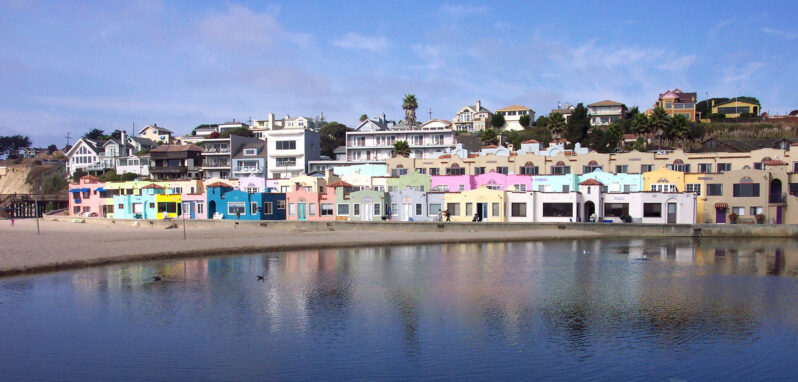
The Pacific Ocean off the California coast could rise more than six feet by the end of this century, according to some estimates…
Guests: Rosanna Xia, environmental reporter for the LA Times. Author of “California Against the Sea: Visions for our Vanishing Coastline.”
A.R. Siders, director of the Climate Change Hub and professor on climate change adaptation at the University of Delaware.
A sea change on managed retreat? – CommonWealth Journal
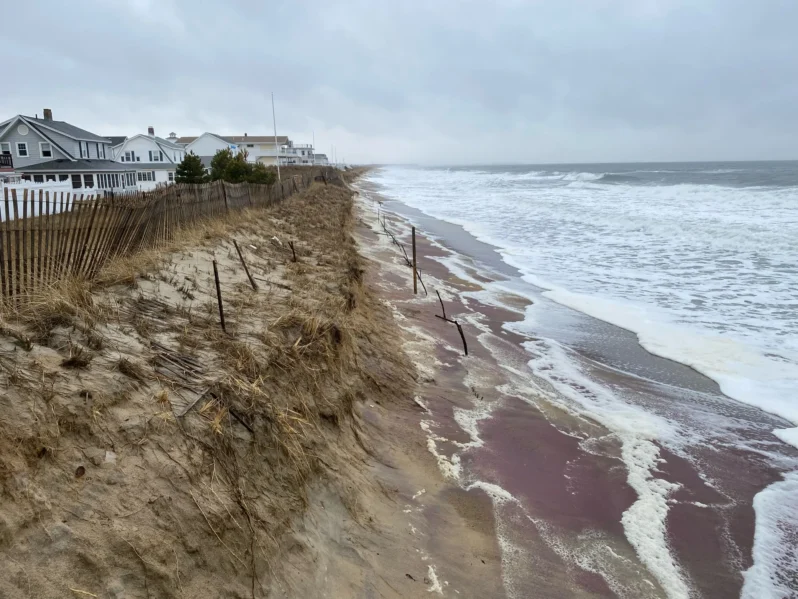
As waters rise, coastal residents are increasingly facing a difficult choice: try to relocate in a difficult housing market and take losses on their homes, or get comfortable with a future where there may be multiple feet of water in their living rooms…
Managed Retreat? Please, Not Yet – Hakai Magazine
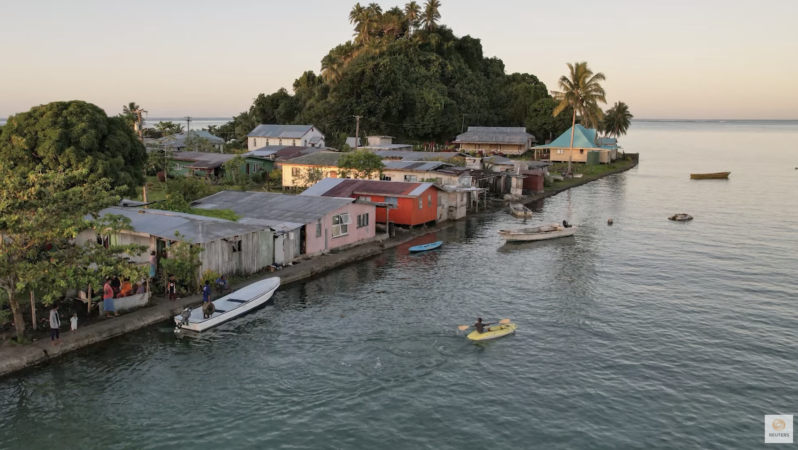
Salt water is already seeping through gardens, under homes, and among the headstones on Serua Island, Fiji. As climate change rolls on, and as the sea level continues to rise, this low-lying island off the southern coast of Viti Levu, one of the country’s two largest islands, seems like an obvious candidate for relocation efforts—and its inhabitants the latest face of climate refugees. Fiji’s national government has offered its support to help the island’s 100 or so inhabitants move. Yet almost all are choosing to stay put…
‘Get off my sand?’: Coastal homeowners sue over shoreline law, but state is prepared to fight – the Providence Journal
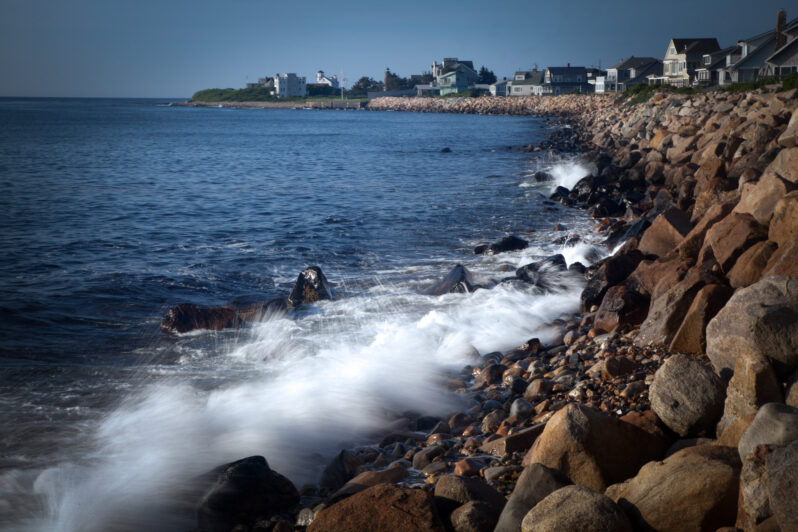
Coastal property owners have filed a federal lawsuit to overturn Rhode Island’s new shoreline-access law. The suit claims that the new legislation, which allows the public to use the shoreline up to 10 feet inland of the seaweed line, amounts to an unconstitutional taking under the Fifth Amendment. It comes as little surprise: Opponents of the new law, some whom are involved with the suit, had made clear that they intended to challenge it in court…
Opinion | Interactive: The Plan to Save New York From the Next Sandy Will Ruin the Waterfront. It Doesn’t Have To – the New York Times
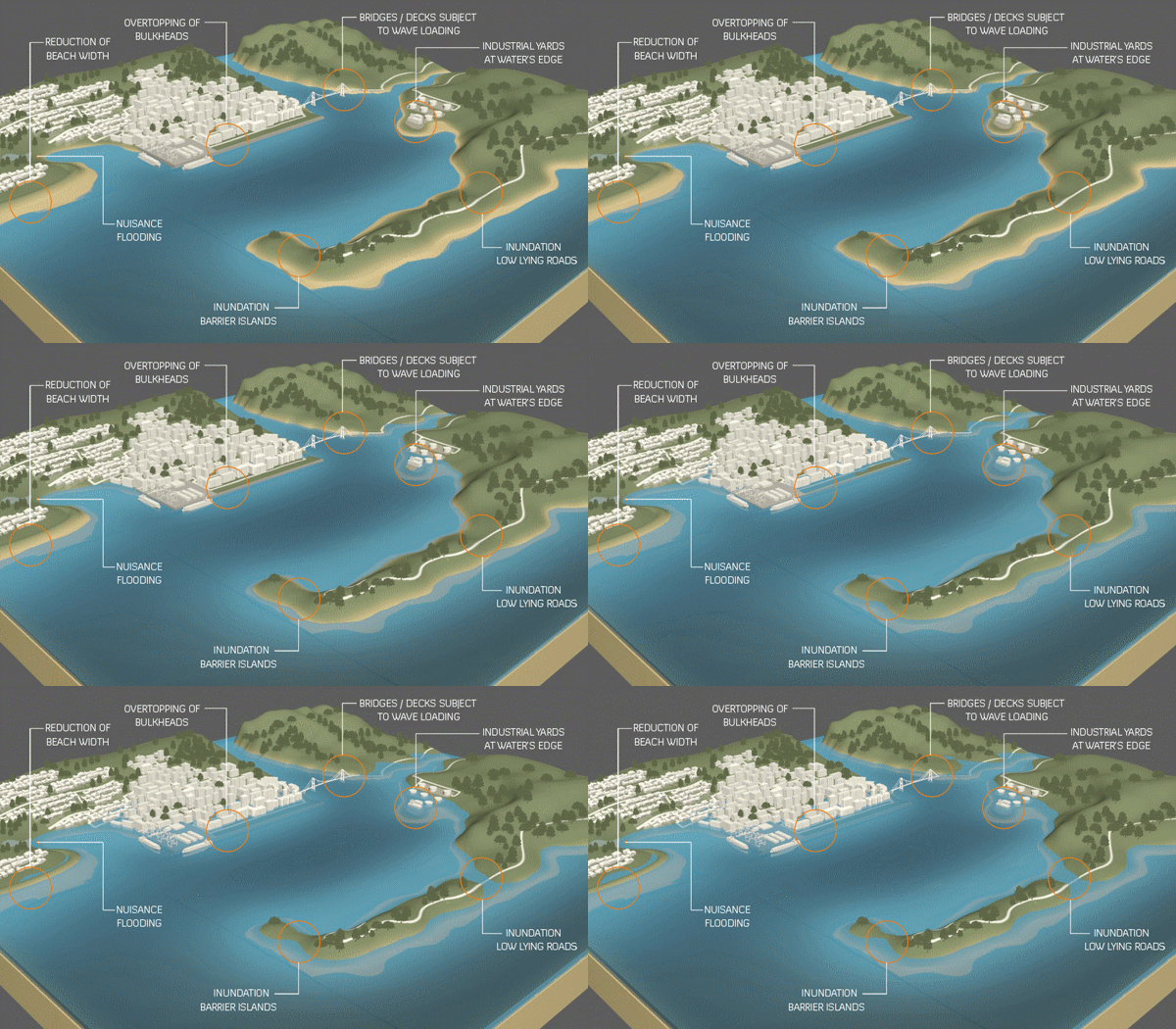
Last September, the U.S. Army Corps of Engineers unveiled its proposal to protect the greater New York and New Jersey metro area from the next catastrophic flood. It is an epic plan that includes dozens of miles of floodwalls, levees and berms along the shoreline and 12 storm surge barriers — arrays of movable gates — across entrances to waterways throughout the region.
The plan is estimated to cost a staggering $52.6 billion. It’s by far the most expensive project ever proposed by the Corps.
The trouble is that despite its great ambitions, the Corps’s plan demonstrates the shortcomings of relying on massive shoreline structures for flood protection…
Study says buyout of threatened Outer Banks homes would be cheaper than beach nourishment – Star News Online
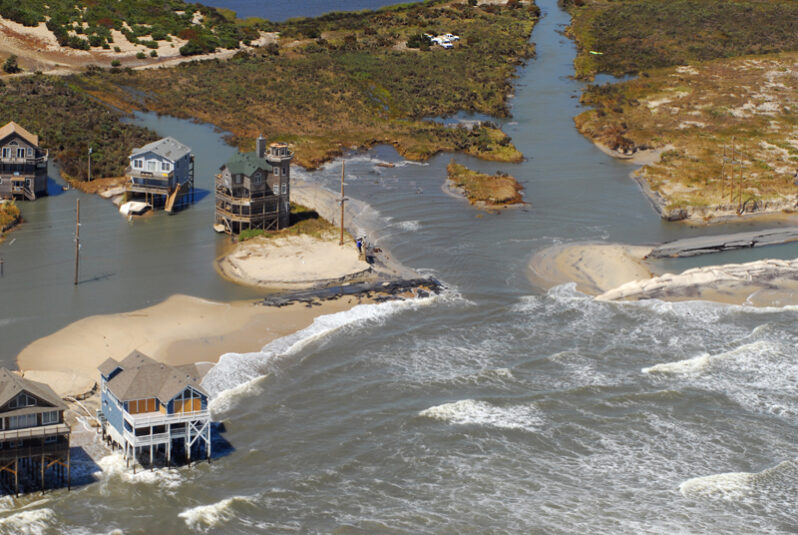
Along coastal North Carolina, engineering answers to threats from Mother Nature is a time-honored tradition to dealing with eroding beaches and threats from wandering inlets. But pumping sand isn’t cheap….Faced with a future of rising seas and stronger storms intensified by climate change, state and local officials are scrambling to keep up.(And) one option occupies a relatively rare seat at the table for discussion by local officials and residents: moving oceanfront structures out of harms way…