
Portugal to demolish buildings threatened by coastal erosion
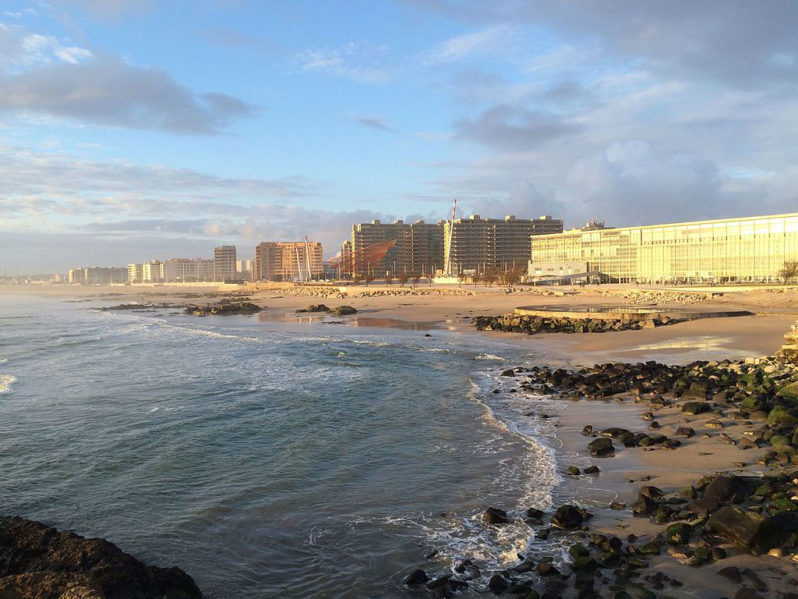
The Portuguese Environment Agency’s new coastal plan involves demolishing dozens of buildings and houses along a 122 kilometre strip of coastline, deemed at severe risk from coastal erosion aggravated by climate change. In the next ten years Portugal plans to spend almost 470 million euros to try to reduce the risks to it population from coastal erosion.
Corporate Sand Mining In SF Bay Sparks ‘Sand Wars’
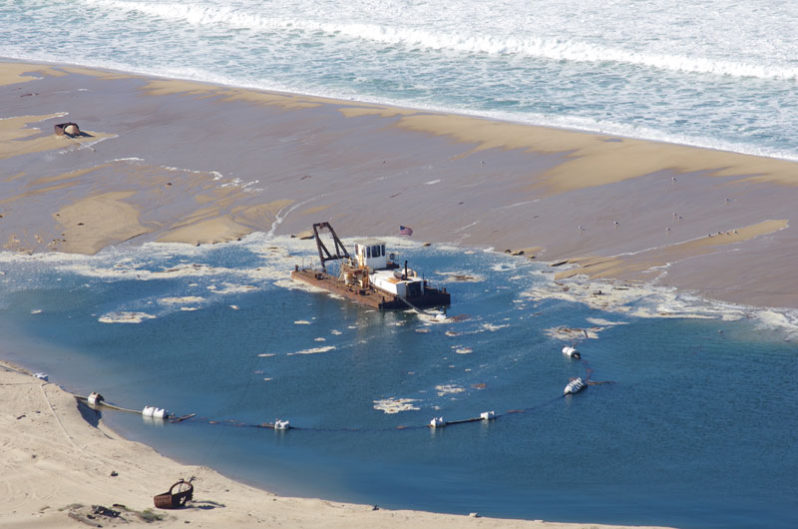
Six years ago, nonprofit environmental advocacy organization San Francisco Baykeeper sued sand-mining firm Hanson Marine Operations and the State Lands Commission to stop sand mining in the Bay. However, in November, an appeals court judge sided with the State Lands Commission and the sand mining company.
Managing the ‘mega-houses’
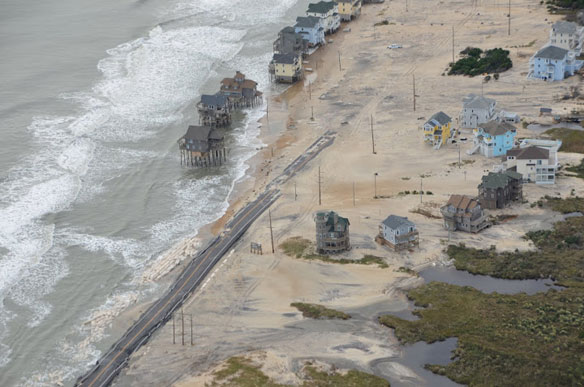
As Dare County municipalities try to address concerns about the proliferation of “mega-houses” and their impact on the character and environment of beach communities, the town councils in both Southern Shores and Duck met last week to explore new approaches to the issue.
Crab fishermen sue 30 oil firms over climate change
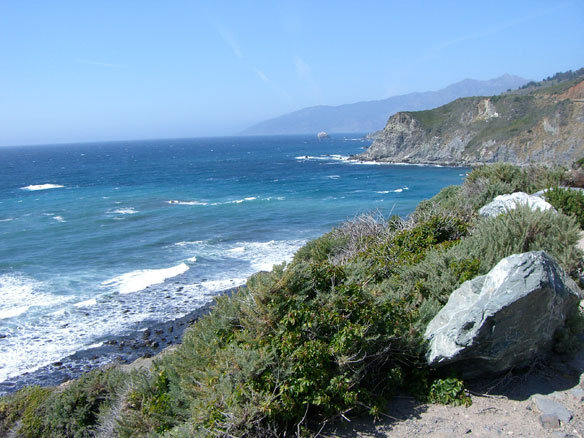
On Wednesday, associations representing California crab fishermen filed suit against 30 fossil fuel companies seeking to make the companies pay for the harm global warming has caused to California’s fisheries. It is the first legal action by a private industry group seeking to hold the fossil fuel companies responsible for major losses attributed to global warming.
Researchers captured footage of a rare shark nursery 2,500 feet below the coastal waters of Ireland
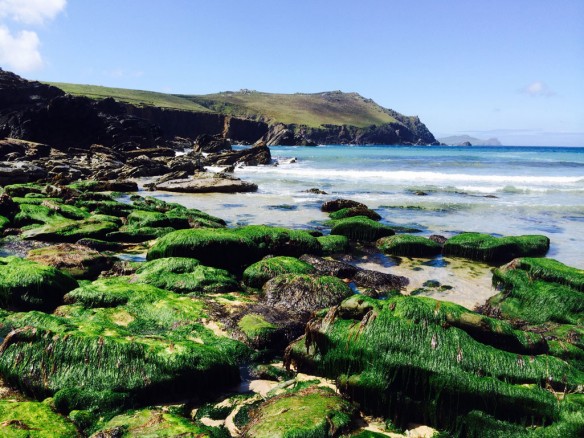
Drone footage of a rare shark nursery, found 200 miles off Ireland’s western coast, has been revealed. It’s being called a discovery on a “scale not previously documented in Irish waters…”
Is Your Home At Risk Of Flooding From Rising Seas By 2050? Check This Map.
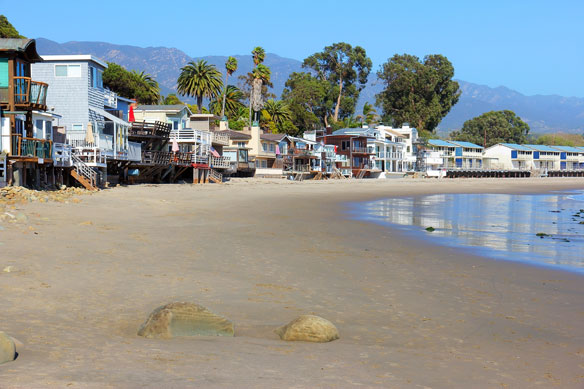
Even if the world more aggressively tackles global warming, about 350,000 homes across the US, worth about $190 billion at today’s prices, are built on land that’s at risk of annual flooding by 2050. And if no steps are taken to curb carbon emissions, the number of at-risk homes jumps to about 385,000.
Unintended consequences of dams and reservoirs
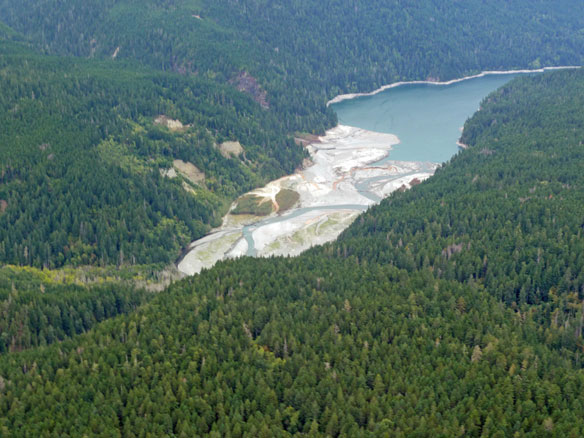
An international team of drought scientists show that while many dams and reservoirs are built, or expanded, to alleviate droughts and water shortages, they can paradoxically contribute to making them worse.
How Hurricanes Michael, Florence May Have Spread Nonnative Species
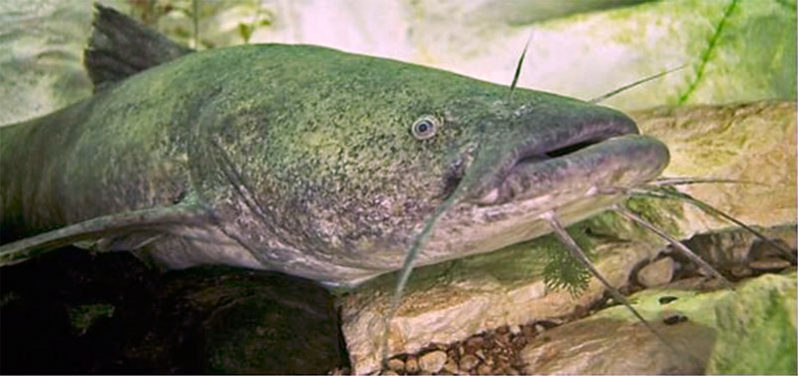
Hurricane Florence’s floodwaters and Hurricane Michael’s storm surge caused obvious devastation to natural areas, but a subtler set of harms is harder to see. Potentially destructive nonnative aquatic species, such as fast-growing plants that can choke waterways and hungry snails that can attack crops, can fan out across the landscape in the storms’ waters, spreading unseen and becoming hard to eradicate.
North Topsail Beach, NC: before and after hurricane Florence
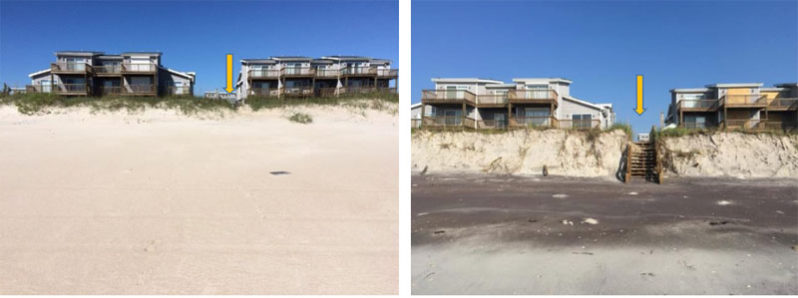
Topsail Beach is an engineered beach, which gives it greater access to recovery funds from the Federal Emergency Management Agency (FEMA). It is facing an expense of about $6.4 million for Florence repair to the berms. Full beach restoration will cost about $17 million.