
Erosion at New York’s Hart Island graveyard unearths human bones
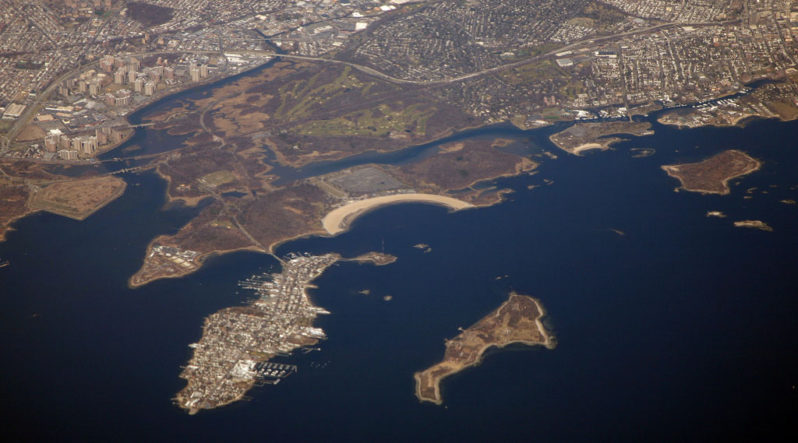
Hart Island, a massive burial ground near the Bronx borough of New York City, is eroding, unearthing human bones along the shoreline. Advocates said the city hasn’t done anything – until now.
Record concentration of microplastic in Arctic sea ice
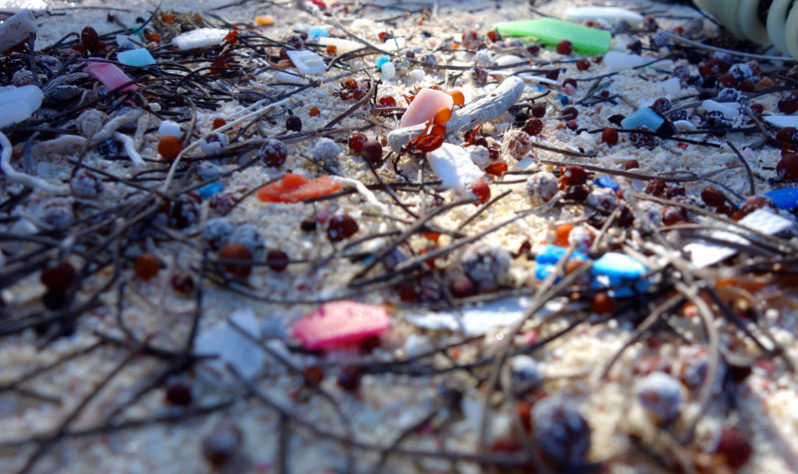
Experts have recently found higher amounts of microplastic in arctic sea ice than ever before. However, the majority of particles were microscopically small.
Could sprinkling sand save the Arctic’s shrinking sea ice?
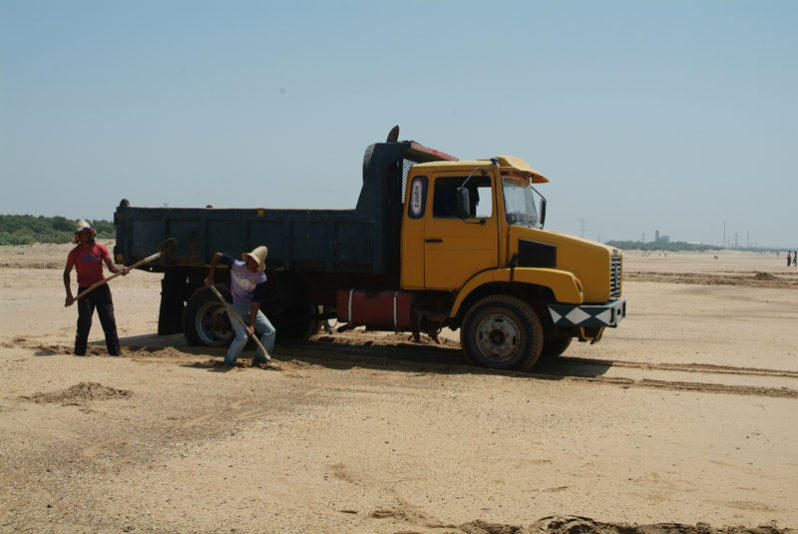
A pilot project at a lake in northern Alaska is one of a number aiming to slow climate change with geoengineering – Tiny spheres of reflective sand will be sprinkled upon the lake to see if this can prevent the lake ice from melting or slow the process down.
101 ways to fight climate change

Each year on April 22, more than one billion people in 192 countries celebrate the largest civic-focused day of action in the world: Earth Day. It’s a day chosen to commemorate the birth of the modern environmental movement in 1970, and the annual event now includes themes, well-organized action plans, and events in cities big and small.
Earth Day 2018: End Plastic Pollution
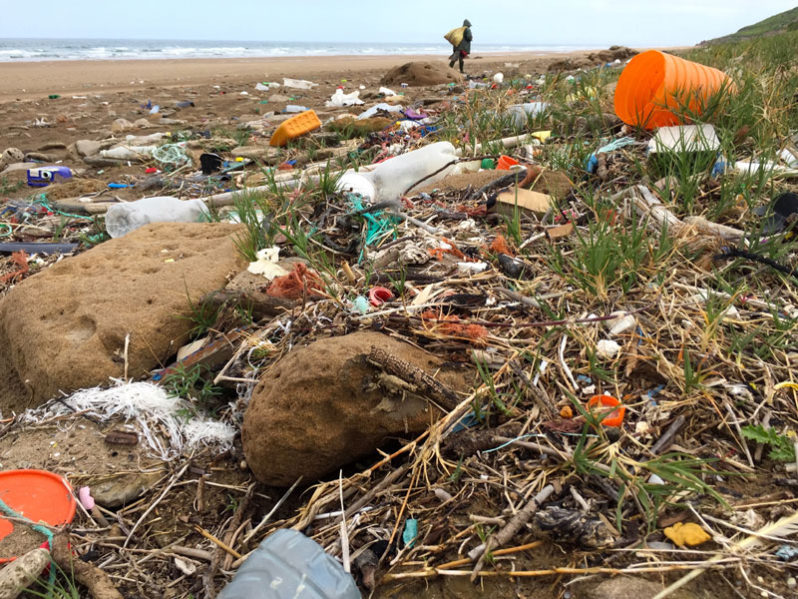
Earth Day 2018 is dedicated to providing the information and inspiration needed to fundamentally change human attitude and behavior about plastics.
What happened to winter? Vanishing ice convulses Alaskans’ way of life

The past winter was the warmest on record in the Arctic, putting a lifestyle that has endured for millennia at risk: ‘The magnitude of change is utterly unprecedented’.
Holden Beach Says ‘No’ to Terminal Groin, NC
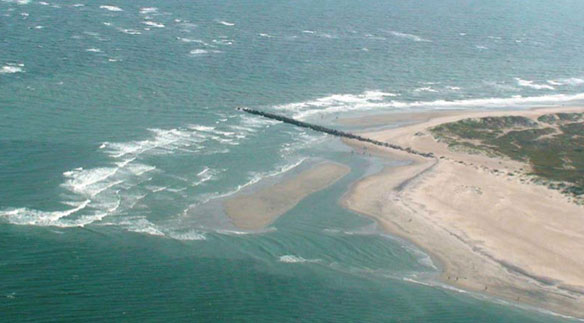
Terminal groins are wall-like structures built perpendicular to the shore at inlets to contain sand in areas of high erosion, like that of beaches at inlets.
Could a tiny enzyme eradicate plastic garbage plaguing the world’s oceans?

A small enzyme could be the solution to plastic pollution, one of the planet’s biggest environmental problems. Millions of metric tons of plastics wind up in the ocean each year.
Global warming is transforming the Great Barrier Reef
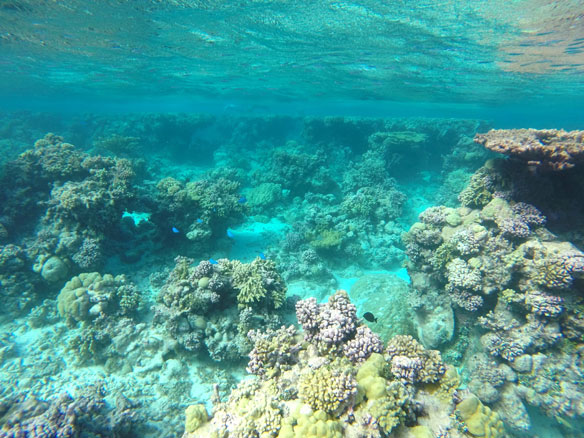
A new study published online today in Nature shows that corals on the northern Great Barrier Reef experienced a catastrophic die-off following the extended marine heatwave of 2016.