
Could sunscreen be destroying our coral reefs? Hawaii lawmakers say yes
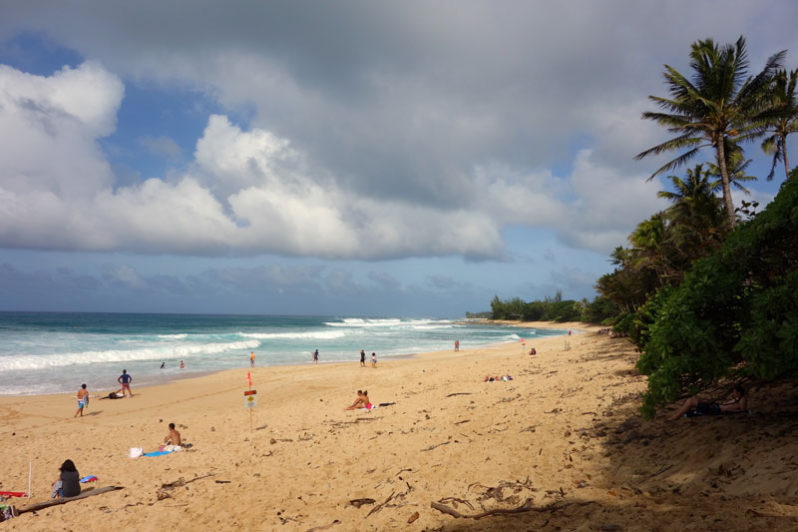
Hawaii is set to become the first state to ban the sale of sunscreens containing oxybenzone or octinoxate, two chemicals believed to be harmful to the environment.
Cities from the sea: the true cost of reclaimed land
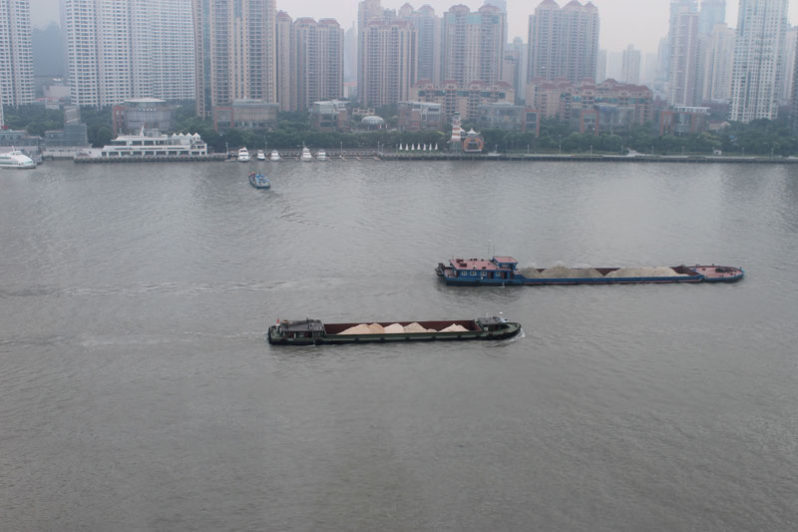
Asia is growing. Literally. From Malaysia to Dubai, luxury developments are rising on artificial islands and coastlines. Everybody wins – except the local sea life and the fishermen who depend on it
It’s not just Xolobeni: What the Australian mining company did in the Western Cape; South Africa
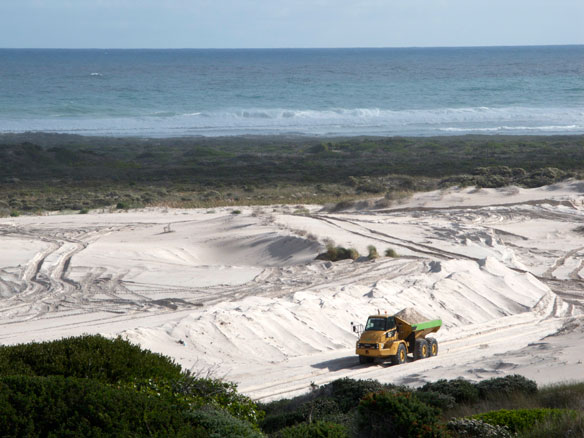
The Australian mining company seeking the right to mine in Xolobeni in the Eastern Cape, has been lashed for its treatment of a community in the Western Cape where it has been accused of breaching its legal obligations.
The military paid for a study on sea level rise. The results were scary.
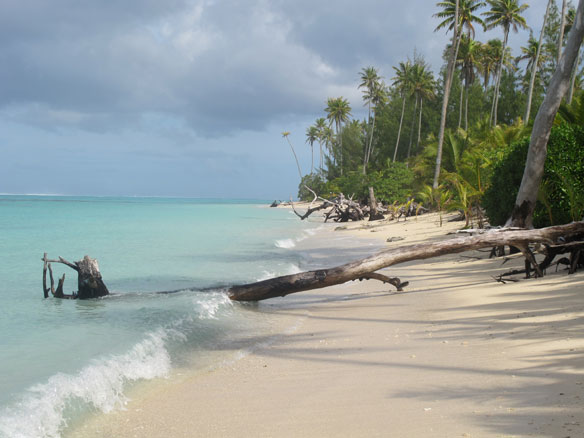
More than a thousand low-lying tropical islands risk becoming “uninhabitable” by the middle of the century — or possibly sooner — because of rising sea levels, upending the populations of some island nations and endangering key U.S. military assets, according to new research.
Growing ‘dead zone’ confirmed by underwater robots in the Gulf of Oman
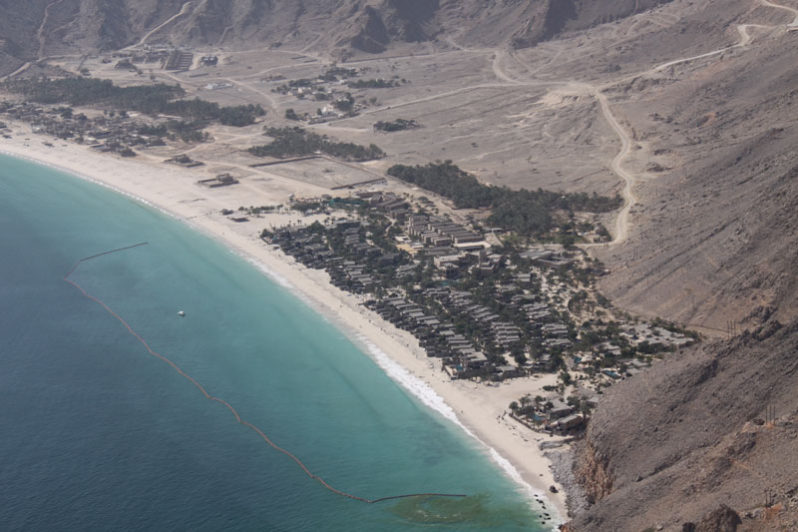
New research reveals a growing ‘dead zone’ in the Gulf of Oman. Little data has been collected in the area for almost 50 years because of piracy and geopolitical tensions. Reasearchers found an area larger than Scotland with almost no oxygen left.
County Starts Dumping-Related Clean-up Work at Goleta, Carpinteria Beaches; CA
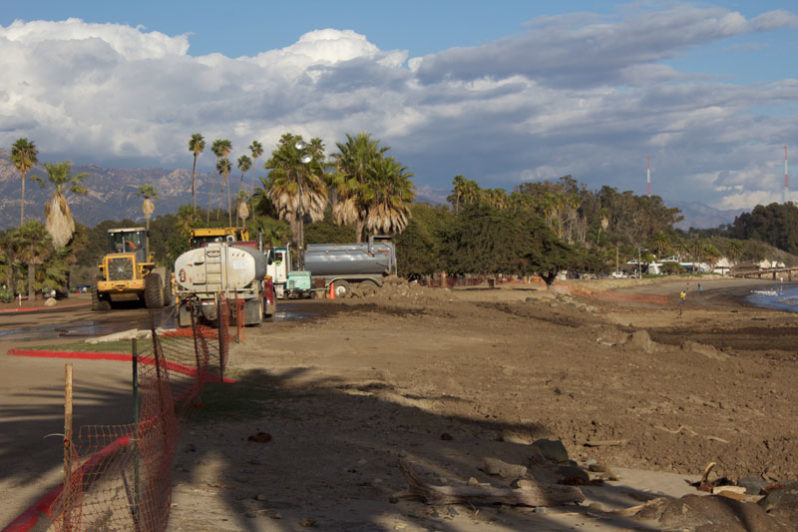
Two months after trucks stopped dumping loads of Montecito mud onto the shore at Goleta Beach County Park, the ocean waters remain closed because testing shows bacteria levels significantly exceed standards.
Erosion at New York’s Hart Island graveyard unearths human bones
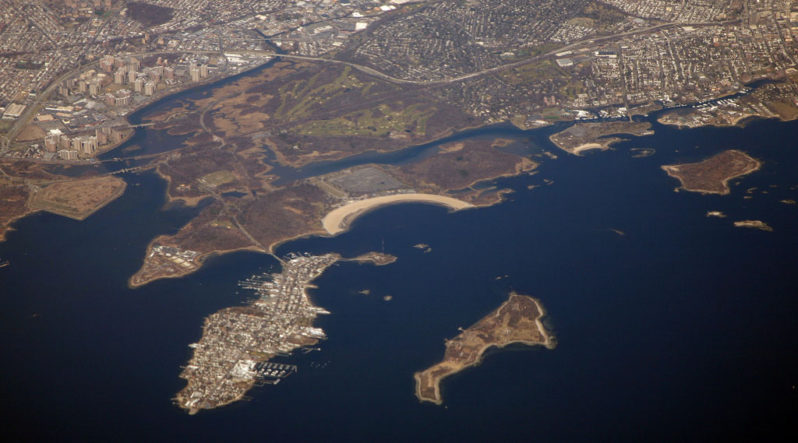
Hart Island, a massive burial ground near the Bronx borough of New York City, is eroding, unearthing human bones along the shoreline. Advocates said the city hasn’t done anything – until now.
Record concentration of microplastic in Arctic sea ice
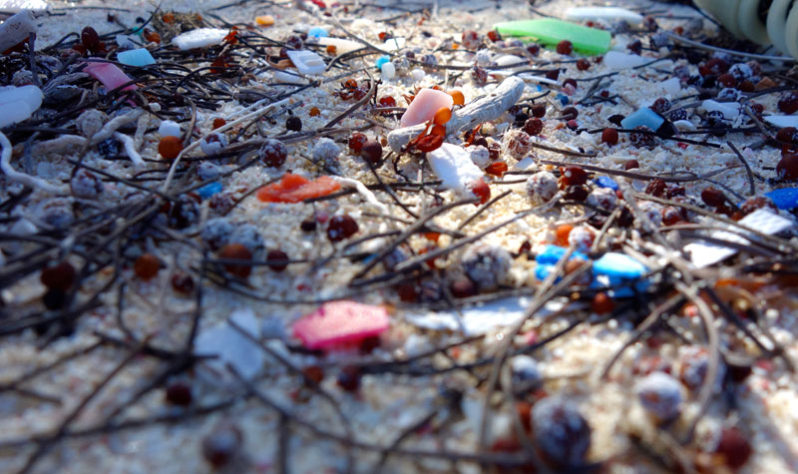
Experts have recently found higher amounts of microplastic in arctic sea ice than ever before. However, the majority of particles were microscopically small.
Could sprinkling sand save the Arctic’s shrinking sea ice?
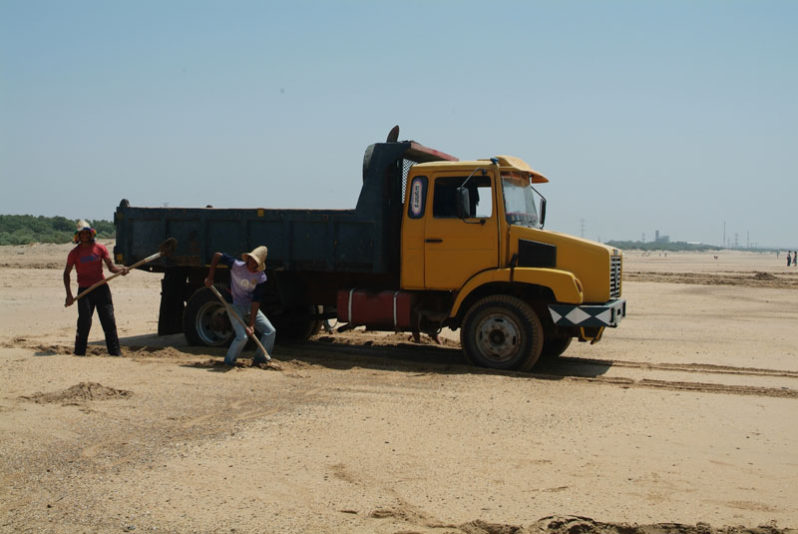
A pilot project at a lake in northern Alaska is one of a number aiming to slow climate change with geoengineering – Tiny spheres of reflective sand will be sprinkled upon the lake to see if this can prevent the lake ice from melting or slow the process down.