
How sea level rise contributes to billions in extra damage during hurricanes – Yale Climate Connections
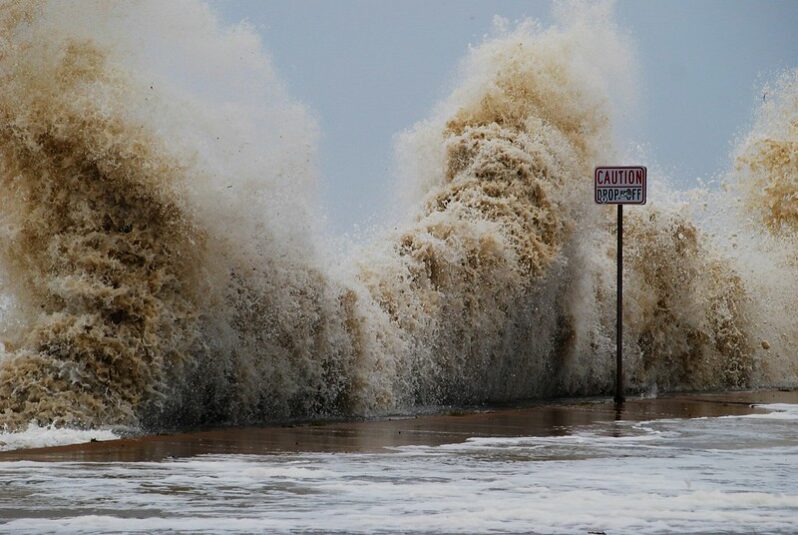
Had Ian hit a century ago, when sea levels were about a foot lower, the storm probably would have caused billions less in storm surge damage, judging by the results from two studies looking at storm surge damage from 2012’s Hurricane Sandy in New York. Taken together, the study results suggest that rising seas left a huge portion of U.S. coastal infrastructure – much of it built during the 20th century – vulnerable to storm surges.
Small increases in storm surge can cause huge impacts…
Teaching Children About Climate Change – the New York Times

Two new picture books and a novel for young readers place children at the center of climate calamity. Fittingly, they are stories of homes under threat; home, after all, is the thing climate change stalks, be it a house, a community or a livable planet. Each book offers its own lessons on how to cope with life under the monster we’ve created. The novel even shows how kids can help slay it…
Six Art Installations Making Sea Level Rise Visible – Metropolis

Around the globe, artists are reckoning with climate change and finding new ways to render the impacts of rising seas legible…
“Quite often on the news you’ll see these graphs showing sea level rise and flooding levels, and it can be quite hard to grasp the magnitude of it all,” says architect Andre Kong. “With something that devastating, how can you understand what it actually looks like and what it actually means?
New Research Shows People, Wildlife, and Marine Environment Benefit When Island-Ocean Connections are Restored – SCRIPPS
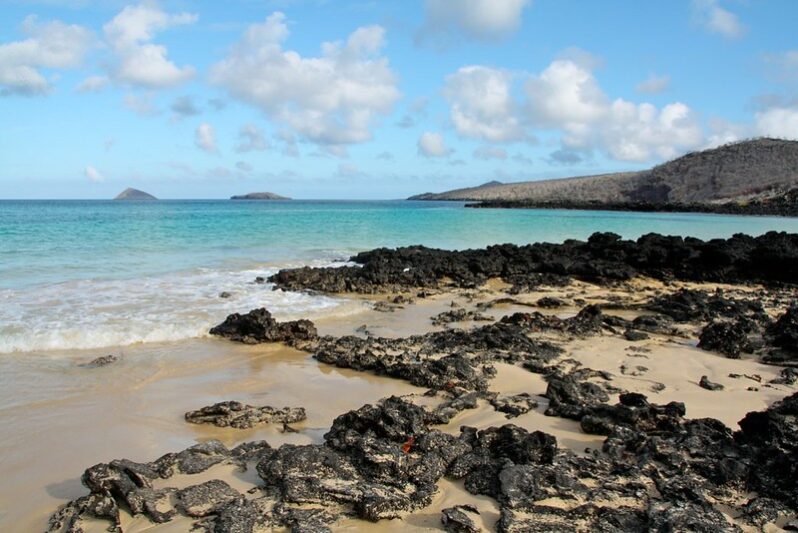
“By applying this knowledge to islands worldwide, we can understand the marine benefits of island restoration projects and maximize returns for our conservation management investments for people, wildlife, and the planet,” said Stuart A. Sandin, PhD, lead co-author of the perspective and a marine ecologist at Scripps Institution of Oceanography at the University of California San Diego…
‘Sand is like gold.’ The pricey race to restore Florida beaches before the next hurricane – KOAM News Now

For decades, Florida has been restoring its beaches by dredging or trucking in more sand. But the practice is becoming more challenging — and expensive, thanks to the rising cost of beach-quality sand. Offshore sand deposits, especially on Florida’s southeast coast, are dwindling after decades of repeated beach restoration projects. As local governments squabble over the right to use the remaining sand, its price is rising…
Study finds widespread occurrence of microplastic in Monterey Bay – Santa Cruz Sentinel
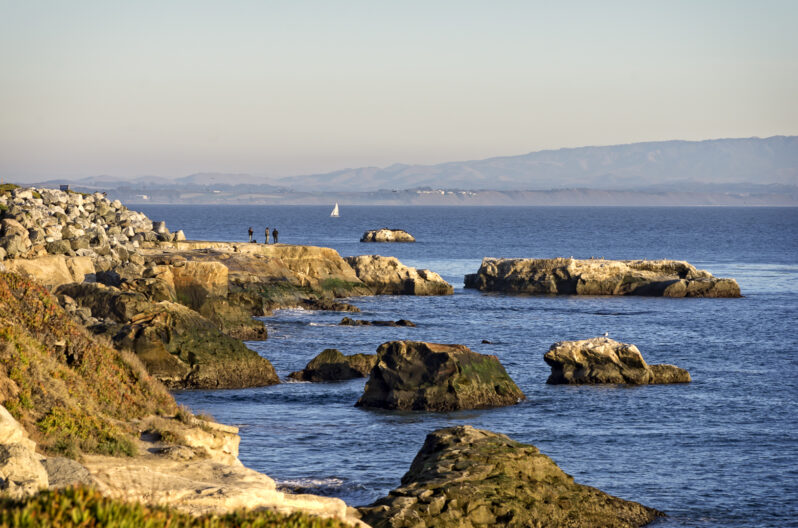
In a study published in early November, UC Santa Cruz researchers examined how much microplastic is present in the Monterey Bay and some of its inhabitants, and found that the tiny pieces of plastic pollution are not only prevalent in the water, but also in the fish and seabirds they studied…
The Red Sea’s Coral Reefs Defy the Climate-Change Odds – New York Times
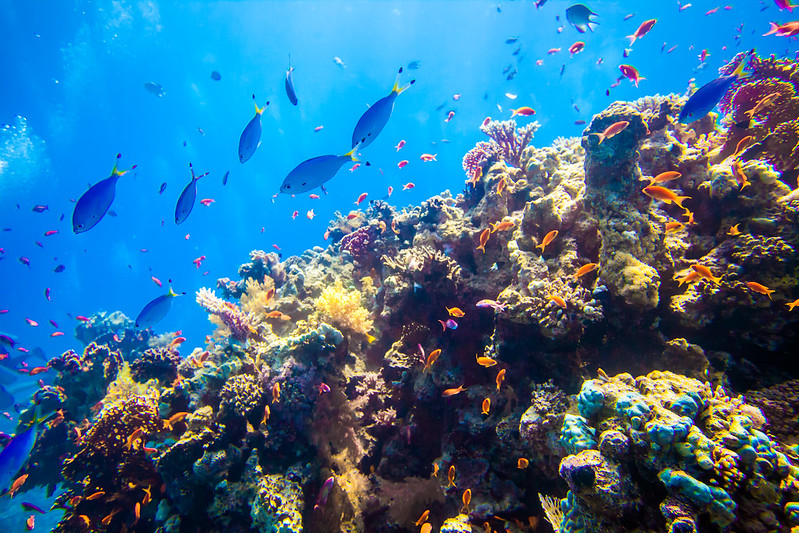
…(T)he wildly colorful coral reefs in the waters outside the Egyptian Red Sea resort of Sharm el Sheikh, where the annual United Nations climate conference is taking place, are an anomaly: They can tolerate the heat, and perhaps even thrive in it, making them some of the only reefs in the world that have a chance of surviving climate change…
A deal on loss and damage, but a blow to 1.5C – what will be Cop27’s legacy? – the Guardian

Developed countries as a bloc are still in the top five emitters, taking historical responsibility into account, but individually they are eclipsed by rapidly growing emerging economies, such as China, Russia, Saudi Arabia and other petrostates, according to Paul Bledsoe, a former Clinton White House climate adviser…
“This Cop was something of a failure, because it completely let the world’s biggest emitter, China, off the hook,” he said. “Global emissions can’t fall until China’s emissions fall. This is the key to climate protection.”
‘No safe place’: Kiribati seeks donors to raise islands from encroaching seas – the Guardian

Pacific state needs billions for its ambitious plan – its president demands wealthy nations act to help now
Developing countries vulnerable to the worst ravages of global heating have spent the past week at United Nations climate talks urging more support from wealthy nations. The Pacific state of Kiribati has a very specific and unusual demand – that its islands be physically raised up to escape the encroaching seas…