
How to Pay for Climate Justice When Polluters Have All the Money – the New Yorker

You can imagine the tension—the anger—that comes from watching your part of the world dry up or flood, knowing that the countries whose pollution caused your problems also have enough dollars to repair the damage…COP27 is one more reminder, however, that justice only proceeds, fitfully, through politics. Rebalancing the world’s wealth, even a little, is the trickiest of political tasks. Yet our chances for a livable world may depend on it.
Here’s Where the U.S. Is Testing a New Response to Rising Seas – the New York Times
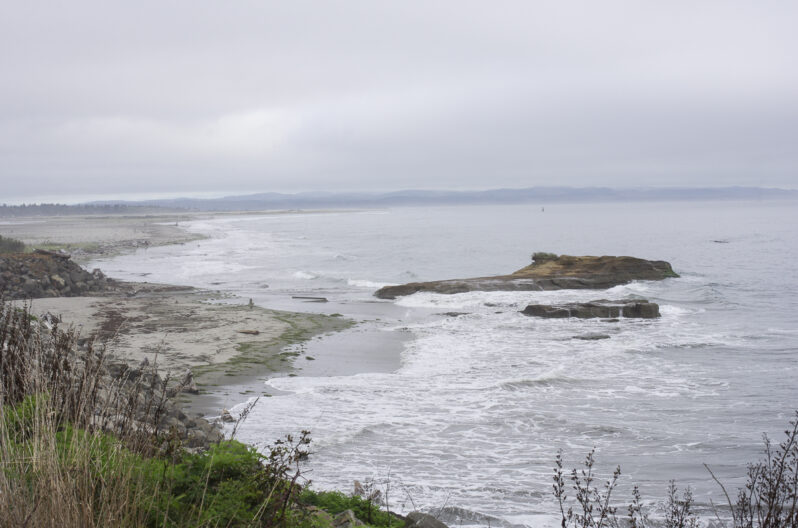
As climate change gets worse, tribes like Shoalwater Bay are being squeezed between existential threats and brutal financial arithmetic. Consigned to marginal land more than a century ago by the United States government, some tribes are now trying to relocate to areas better protected from extreme weather yet lack the money to pay for that move.
California tribes will manage, protect state coastal areas – AP News
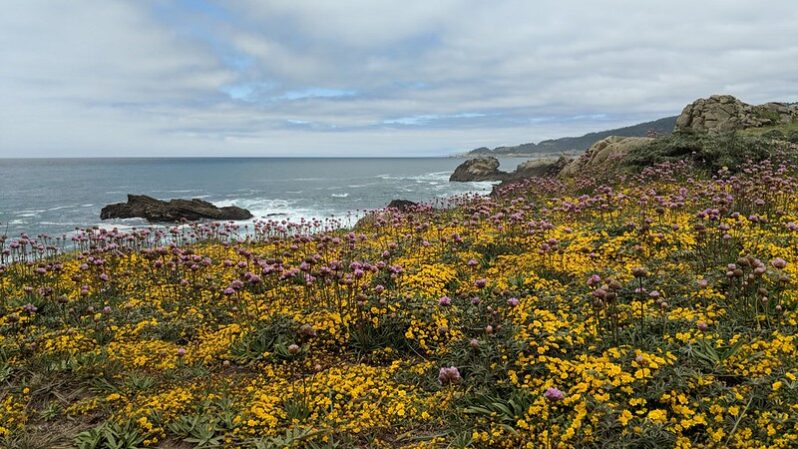
Five California tribes will reclaim their right to manage coastal land significant to their history under a first-in-the-nation program backed with $3.6 million in state money. Valentin Lopez, chair of the Amah Mutsun Tribal Band … said climate change has forced governments with a history of exploiting Indigenous lands to acknowledge tribes’ deep-rooted knowledge of protecting ecosystems.“We’re in the crisis mode,” he said.
Surfrider’s State of the Beach Report Finds Coastal States Most At Risk Are Least Prepared For Climate Impacts – The Inertia
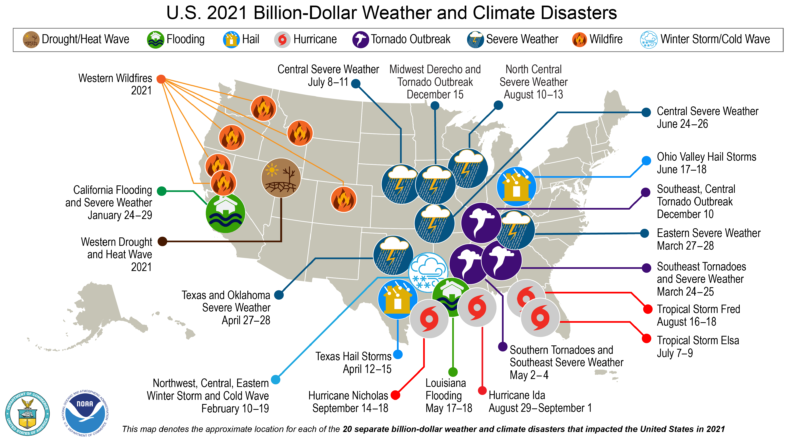
This week, the Surfrider Foundation released its sixth annual State of the Beach Report…For the second year in a row, the report reveals that 67 percent of coastal areas assessed are performing at ‘adequate’ to ‘poor’ levels, with some of the lowest grades earned by states that are most often affected by extreme weather and worsening climate events.
How Belize Cut Its Debt by Fighting Global Warming – the New York Times
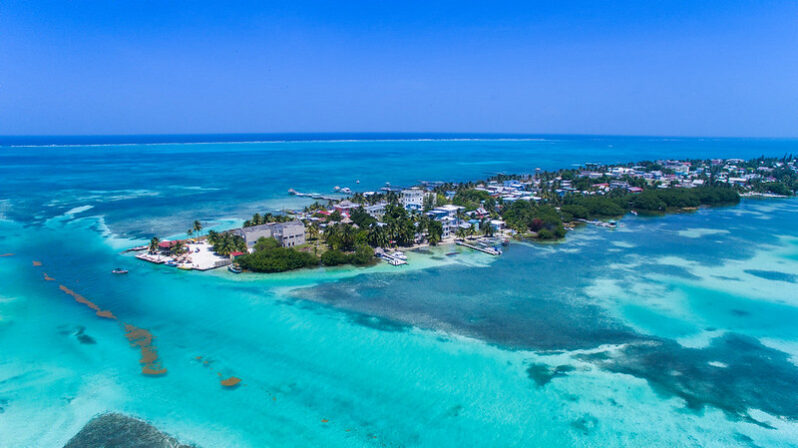
Belize faced an economic meltdown. The pandemic had sent it into its worst ever recession, putting the government on the brink of bankruptcy.
A solution came from unexpected quarters. A local marine biologist offered Prime Minister Johnny Briceño a novel proposal: Her nonprofit would lend the country money to pay its creditors if his government agreed to spend part of the savings this deal would generate to preserve its marine resources.
Voters pass historic climate initiatives in ‘silent surprise’ of US midterms – Guardian
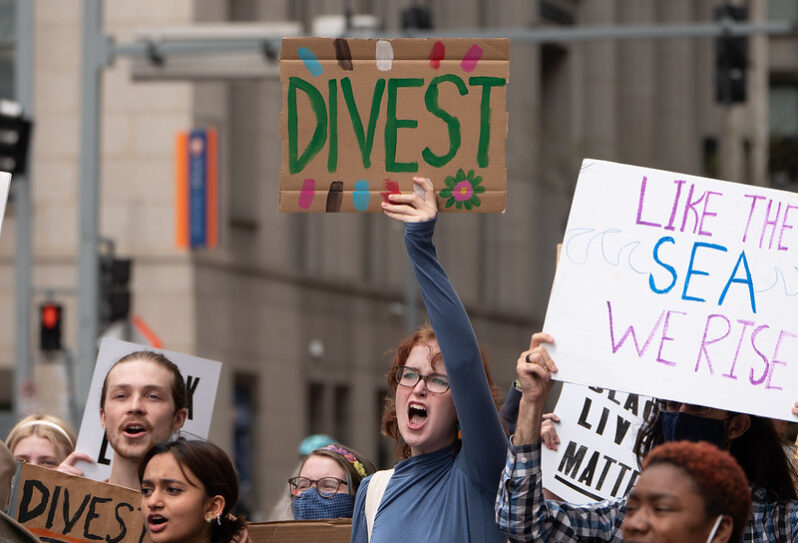
The electoral support at the state and local levels for more climate action comes as world leaders meet at Cop27…“Climate voters were the silent surprise of election night,” said Nathaniel Stinnett, the founder of the Environmental Voter Project. “We weren’t loud, and nobody saw us coming, but we showed up to vote in huge numbers.”
Report Released at COP27 Gives a ‘Terminal Diagnosis’ for Summer Sea Ice – Columbia Climate School
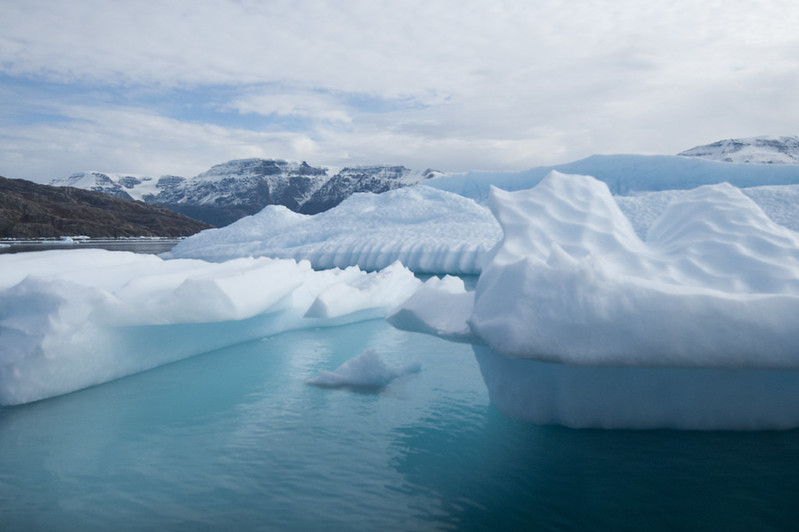
On November 7, the International Cryosphere Climate Initiative released its annual State of the Cryosphere Report (which) presents troubling news of present and projected impacts on the world’s ice…but offers hope that future harms can be limited by rapid and sharp reductions in greenhouse gas emissions…
On the way to climate hell: Will COP27 negotiations enforce climate action commitments? – Forbes India
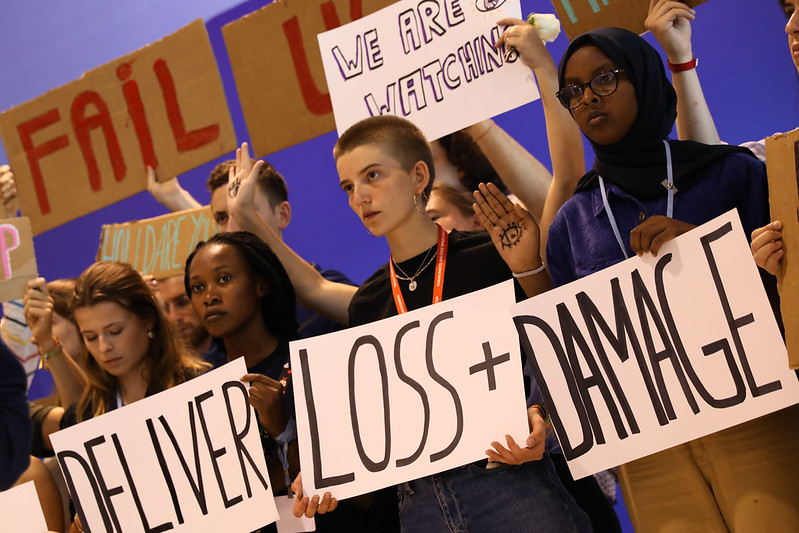
The debate of economic growth versus environment is central to our times and at the heart of the climate negotiations of COP27. Escalating climate events worldwide show that we are living on borrowed time.
Cop27: coral conservation groups alarmed over ‘catastrophic losses’ – the Guardian
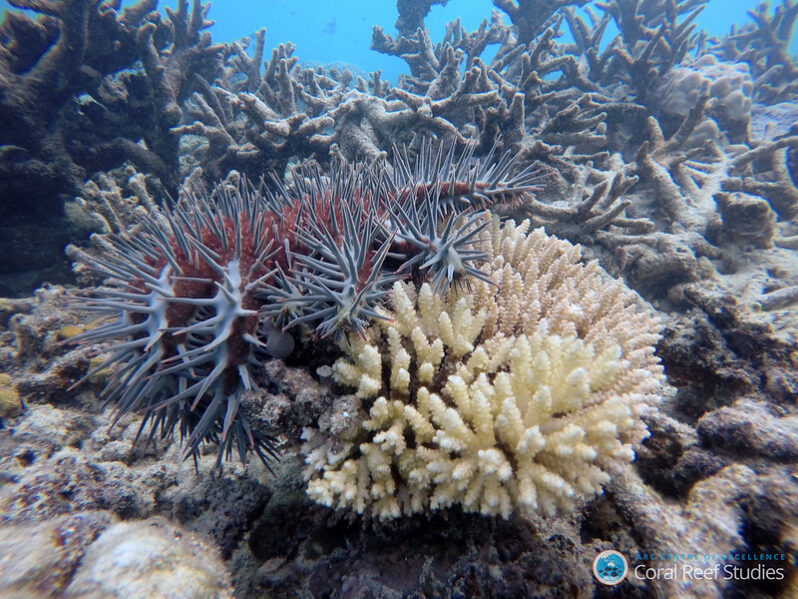
You don’t have to travel far from the sprawling convention center that’s staging the UN climate talks in Sharm el-Sheikh, Egypt, to see what’s at stake. This coastal resort town is fringed by an ecosystem seemingly facing worldwide cataclysm from global heating – coral reefs….