
Beached sperm whale found with 220 pounds of trash in his stomach

A sperm whale that washed up on a beach was found with 220 pounds of plastic trash in his stomach. The whale beached itself and died on a northern Scottish island.
World War II Hazards Emerge on Massively Eroded Australian Beach
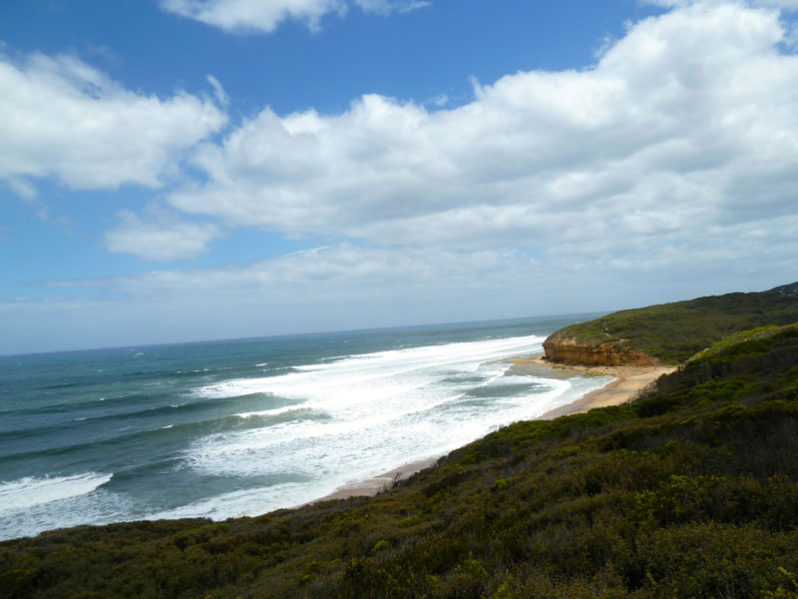
Unprecedented coastal erosion on an Australian beach has uncovered thousands of potentially hazardous spiky World War II tank traps.
Great Barrier Reef study shows how reef copes with rapid sea-level rise
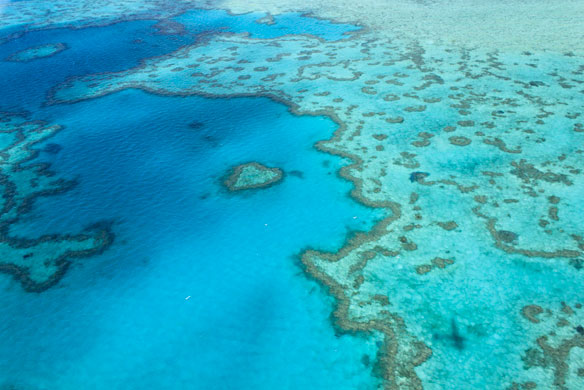
A survey of coral reef cores on the Great Barrier Reef has revealed how it has responded to recent periods of rapid sea-level rise. The study, covering the past 9000 years, has revealed a system in delicate balance.
Bacterial communities ‘hitchhiking’ on marine plastic trash
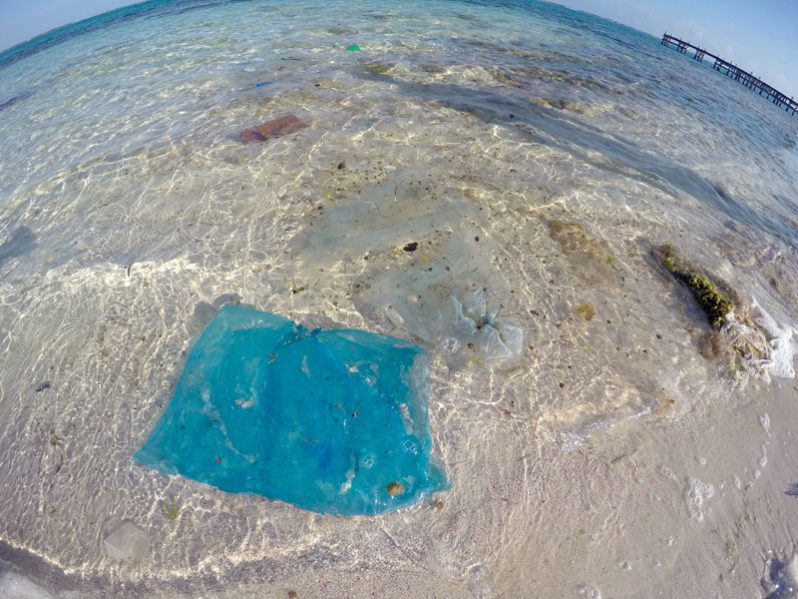
Using an innovative microscopy method, scientists have revealed the structure of the microbial communities coating microplastic trash collected from a variety of ocean sites.
Antarctic ice sheets could be at greater risk of melting than previously thought

Antarctica. Photo courtesy of © Denis Delestrac for Coastal Care’s Photo of the Month, July and August 2018. Excerpts; Antarctica is the largest reservoir of ice on Earth — but new research by the University of South Australia suggests it could be at greater risk of melting than previously thought… Read Full Article; Science Daily […]
This Florida Keys neighborhood has been flooded for nearly 3 months

The flooding here and elsewhere is happening during so-called “king tides.” Those are times, mostly in the fall, when the moon’s gravitational pull means tides are higher than usual.
Engineers hope high-tech sandbags will keep the beach in Waikiki from disappearing

A fresh round of repairs to Hawaii’s most famous beach have been completed ― and engineers hope their latest idea will do more to help the shoreline from washing away.
Over the last three weeks, and at a cost of roughly $700,000, engineers worked to install a 95-foot sandbag groin at Waikiki Beach, along with hauling in tons of new sand to help replenish it
New Earth mission will track rising oceans into 2030

For the first time, U.S and European agencies are preparing to launch a 10-year satellite mission to continue to study the clearest sign of global warming — rising sea levels.
New technology developed to improve forecasting of Earthquakes, Tsunamis
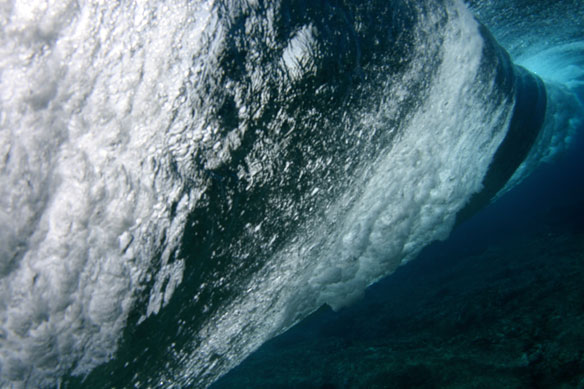
Geoscientists have successfully developed and tested a new high-tech shallow water buoy that can detect the small movements and changes in the Earth’s seafloor that are often a precursor to deadly natural hazards.