
Renewable Energy Capacity Now Exceeds Coal in U.S.

Renewable energy now generates more electricity in the United States than coal. Solar, wind, hydropower, biomass, and geothermal totaled 21.56 percent of U.S. generating capacity, according to a report from the Federal Energy Regulatory Commission (FERC).
Canada Plans to Ban Single-Use Plastics, Joining Growing Global Movement
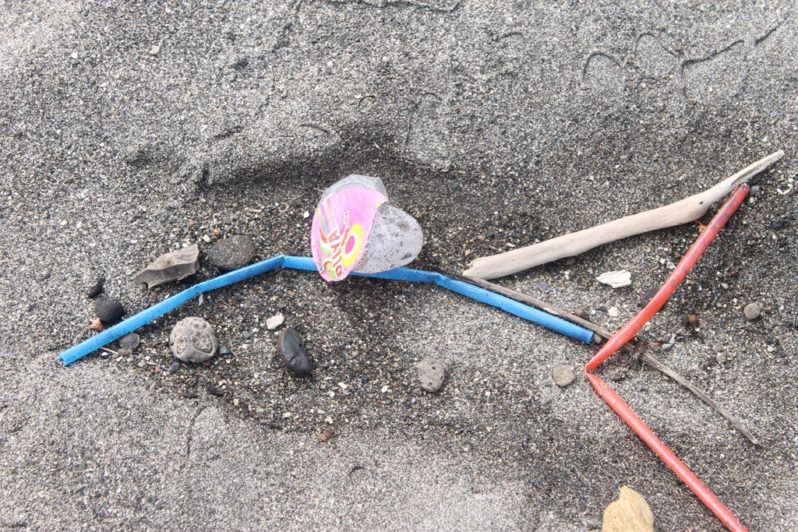
Canada on Monday joined a growing global movement with a plan to ban single-use plastics blighting the environment.
Near-record ‘dead zone’ predicted in Gulf of Mexico
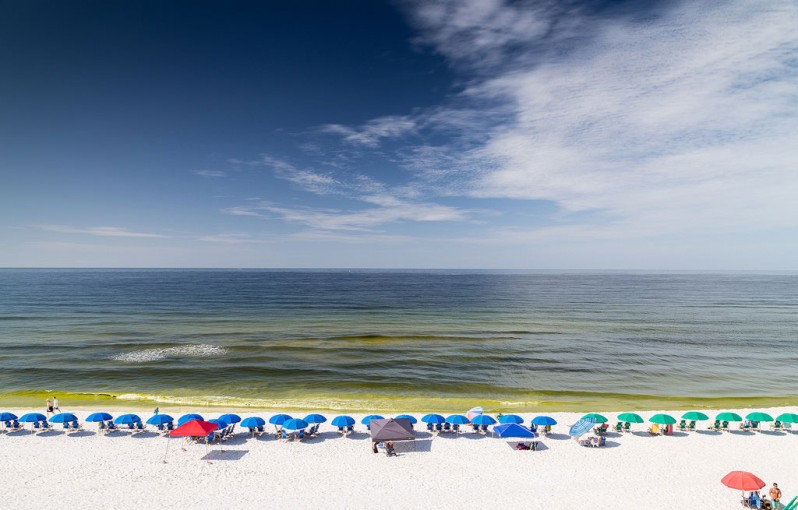
Scientists are predicting a near-record Gulf of Mexico “dead zone” where the water holds too little oxygen to sustain marine life.
Line in Sand Appears at Rosewood Miramar Beach, and Locals Aren’t Happy About It
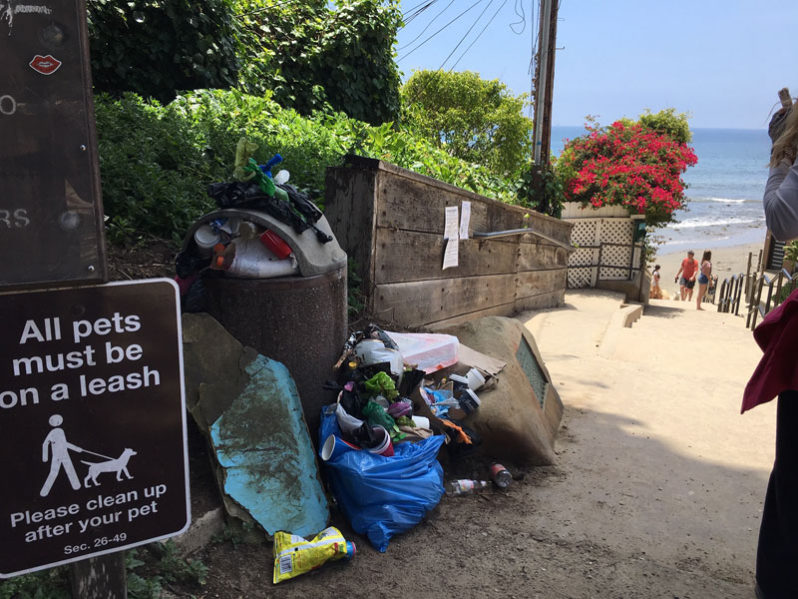
Coastal access is a hot-button issue in California, whether it’s Miramar Beach, Goleta Beach County Park or Hollister Ranch. The California Coastal Act states that beaches and the sand below the mean high tide line are open to the public, even if people own private property along the beach. Not everyone knows that — or is willing to abide by the law.
Microplastics Have Invaded The Deep Ocean — And The Food Chain
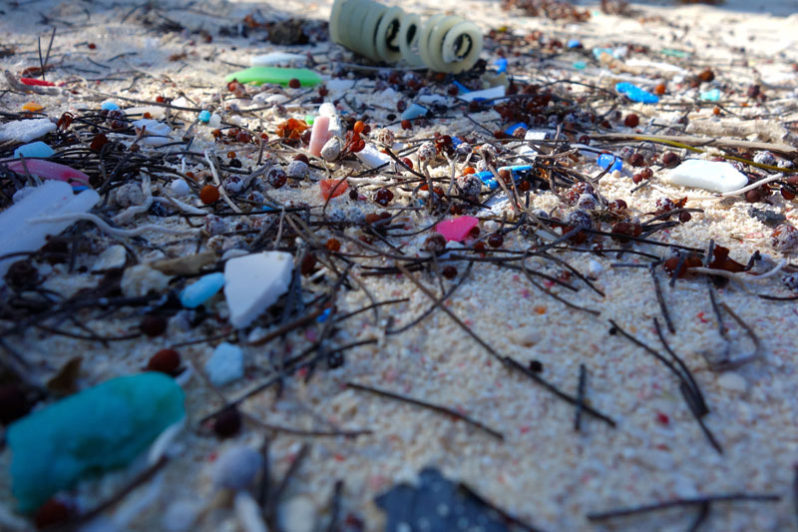
The largest habitat for life on Earth is the deep ocean. It’s home to everything from jellyfish to giant bluefin tuna. But the deep ocean is being invaded by tiny pieces of plastic — plastic that people thought was mostly floating at the surface, and in amounts they never imagined.
Microplastic throughout Monterey Bay
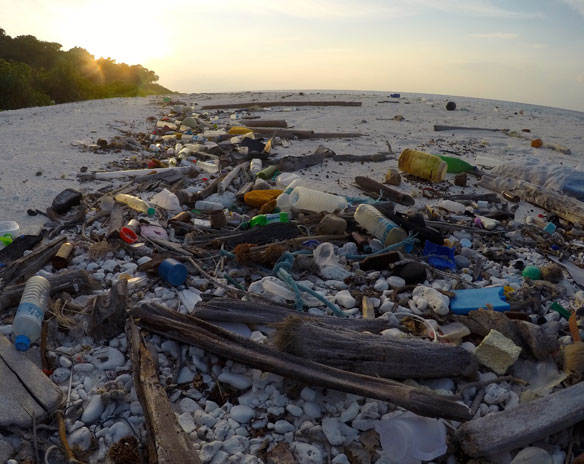
A new study shows that microplastic particles are not only common from the surface to the seafloor, but they’re also being eaten by animals and incorporated into marine food webs. The most abundant types of plastic found in the water samples match those commonly used in consumer products. Most plastic waste comes from land, although it may travel far on ocean currents.
Scientists start the clock on human impact
Though it’s clear we’re currently living in it, scientists have long debated when the Anthropocene, the epoch of human dominance over the planet, first began. The Anthropocene Working Group (AWG), a panel of scientists, recently voted to official recognize the epoch and suggested starting it in the middle of the 20th century
Home teeters on edge of Lake Michigan

A home in Michigan is teetering off a 50-foot eroded cliff caused by big waves in Lake Michigan.
Newborn Hawaii beach is already polluted with tiny pieces of plastic
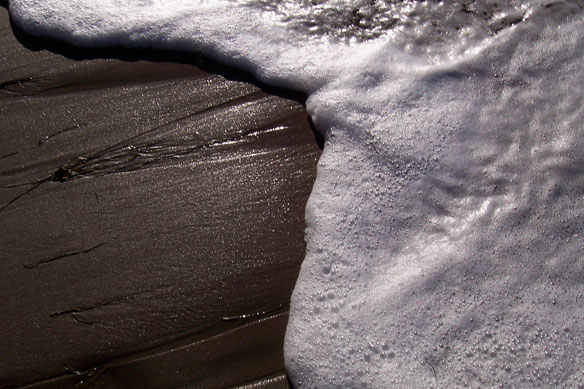
There’s this romantic idea of the remote tropical beach, clean and pristine. That kind of beach doesn’t exist anymore. Pohoiki adds to the growing body of evidence that plastic is most likely ubiquitous on beaches: even ones that look virgin.