
Scientists start the clock on human impact
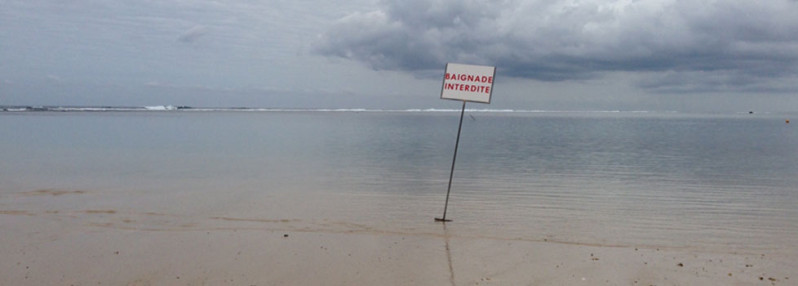
Though it’s clear we’re currently living in it, scientists have long debated when the Anthropocene, the epoch of human dominance over the planet, first began. The Anthropocene Working Group (AWG), a panel of scientists, recently voted to official recognize the epoch and suggested starting it in the middle of the 20th century
Home teeters on edge of Lake Michigan
A home in Michigan is teetering off a 50-foot eroded cliff caused by big waves in Lake Michigan.
Newborn Hawaii beach is already polluted with tiny pieces of plastic
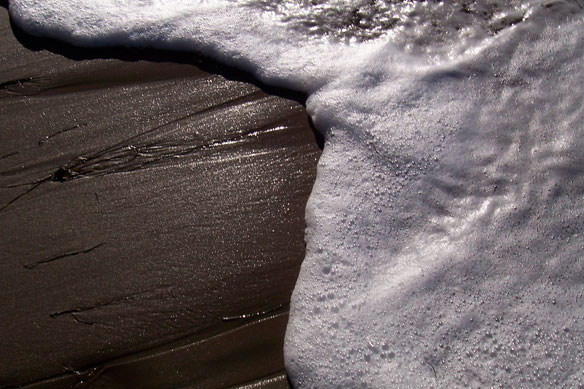
There’s this romantic idea of the remote tropical beach, clean and pristine. That kind of beach doesn’t exist anymore. Pohoiki adds to the growing body of evidence that plastic is most likely ubiquitous on beaches: even ones that look virgin.
Mass die-off of puffins recorded in the Bering Sea
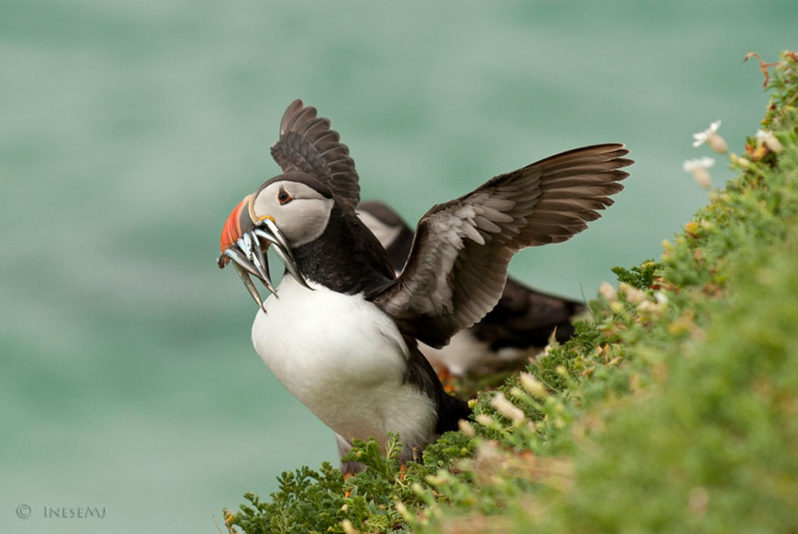
A mass die-off of seabirds in the Bering Sea may be partially attributable to climate change, according to a new study.
They partied on the beach. And then left 20,000 pounds of trash on it.
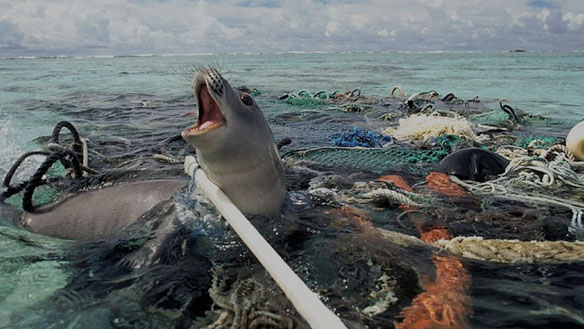
Partygoers attending a “Floatopia” event spent the day drinking and bobbing in the Virginia Beach surf. And then they left behind tons of trash.
Live fast, die young: Study shows tiny fishes fuel coral reefs
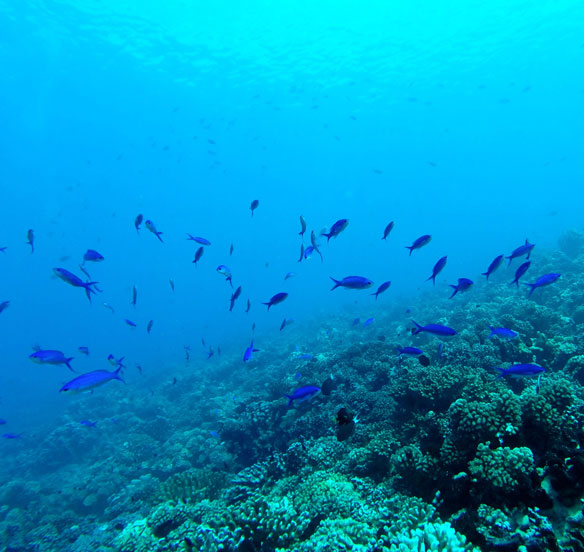
Scientists have long sought to understand how coral reefs support such an abundance of fish life despite their location in nutrient-poor waters. According to a new study, an unlikely group fuels these communities: tiny, mostly bottom-dwelling creatures called ‘cryptobenthic’ reef fishes.
Puerto Rico Adopts New Climate Law, With Goal of 100 Percent Renewable Energy By 2050
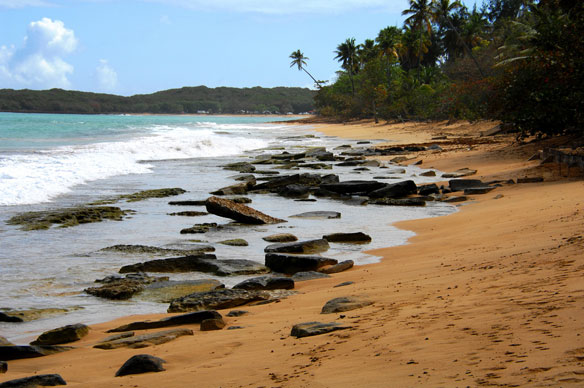
Puerto Rico Governor Ricardo Rosselló signed into law a new climate change initiative that calls for the island to reduce its carbon emissions 50 percent in the next five years and transition to 100 percent renewable energy by 2050.
Hawaii’s Kailua Beach tops 2019 ‘best beach’ list
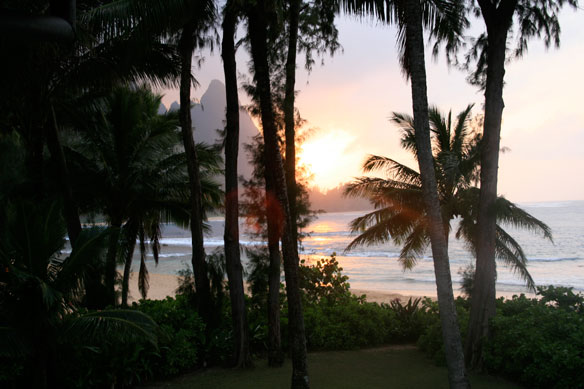
Oahu’s Kailua Beach Park has been selected as the best stretch of sand for an annual list of top U.S. beaches.
Strange waves rippled around Earth. Now we may know why.
An “exceptional phenomenon” near the tiny islands of Mayotte may help explain a low-frequency rumble that swept around the world last year.