
Climate change tipping point could be coming sooner than we think
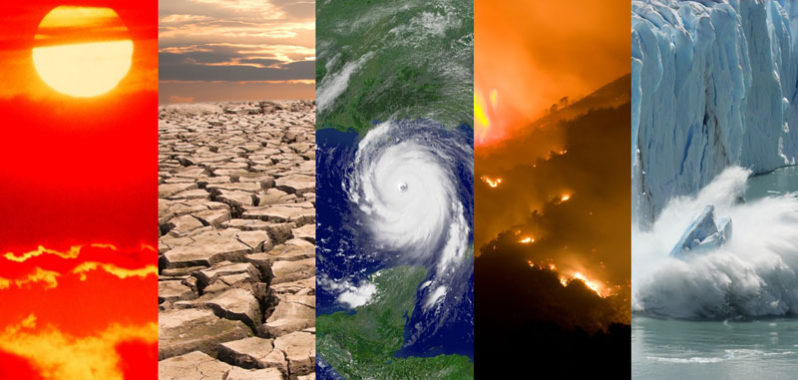
A new study confirms the urgency to tackle climate change. While it’s known that extreme weather events can affect the year-to-year variability in carbon uptake. this study is the first to actually quantify the effects through the 21st century.
North American glaciers melting much faster than 10 years ago – study
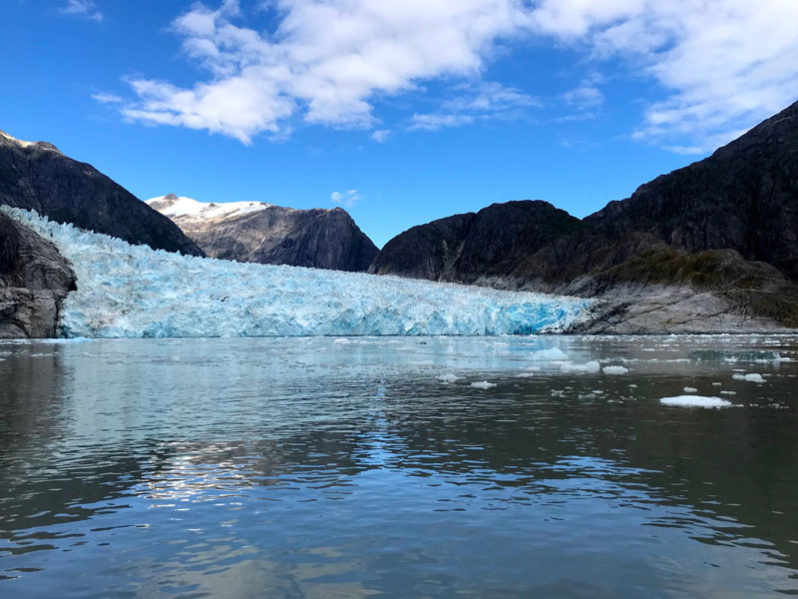
Glaciers in western North America, excluding Alaska, are melting four times faster than in the previous decade, with changes in the jet stream exacerbating the longer-term effects of climate change, according to a new study.
Renewables Could Surpass Fossil Fuels in Britain by 2020
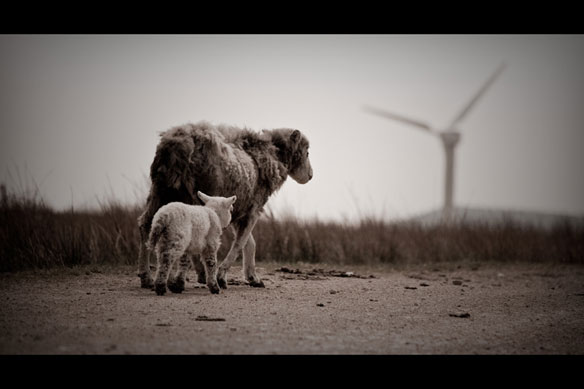
Britain will get more of its electricity from renewable energy sources than fossil fuels as early as next year, according to a new report from the energy analysts group.
5 billion Dubai megaresort rises from The World
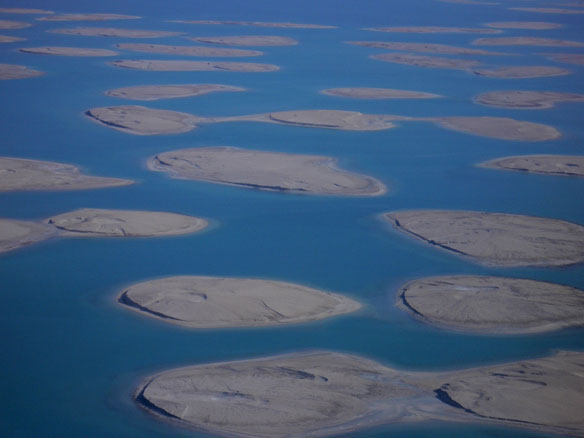
Four kilometers off the Dubai coastline lies Europe. Or a version of it, at least. Comprising six man-made islands styled after a mix of European countries and cities, when completed this $5 billion megaproject will be able to accommodate 16,000 tourists in the height of travel luxury.
Q&A: Designing a better local tsunami warning system
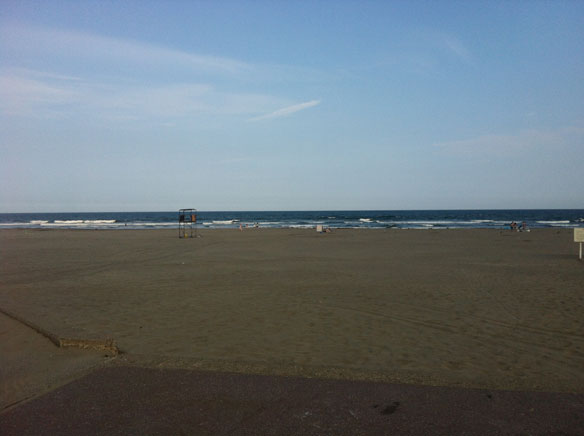
New research by scientists at Stanford Earth, describes a new method designed specifically for local early tsunami warnings. That means warning coastal residents that a tsunami wave generated 50 or 100 miles offshore is coming in the next 20 to 30 minutes.
The women fighting a pipeline that could destroy precious wildlife
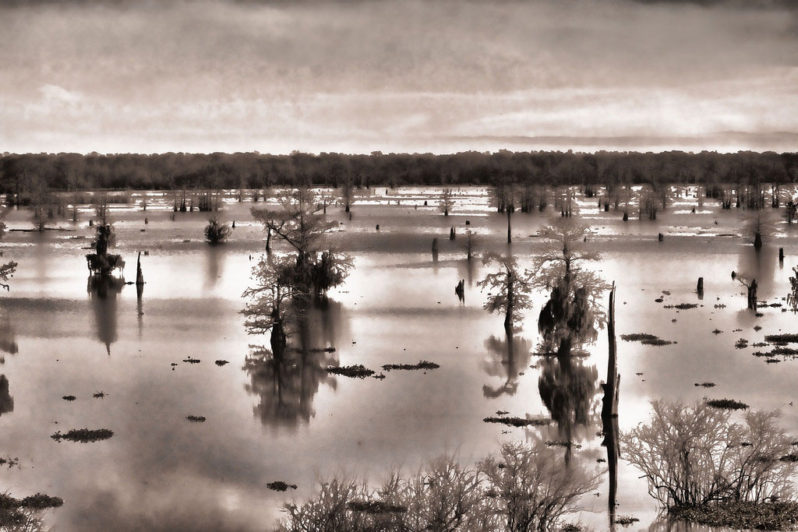
Activists fight to stop construction of the Bayou Bridge pipeline, which endangers an ecosystem that is one of the most important bird habitats in the western hemisphere.
To Hold Warming to 1.5 Degrees, Study Says Nations Must Stop Building New Fossil Fuel Infrastructure Immediately
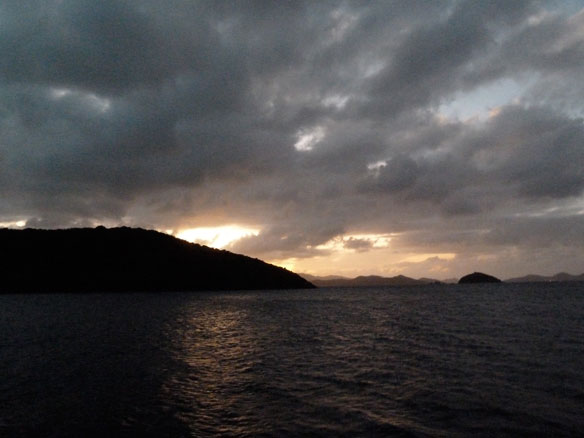
If nations commit immediately not to replace fossil fuel infrastructure as it reaches the end of its expected lifetime, the world would have a 64 percent chance of keeping global warming below 1.5 degrees Celsius, according to a new study.
Trump administration expands oil drilling despite shutdown
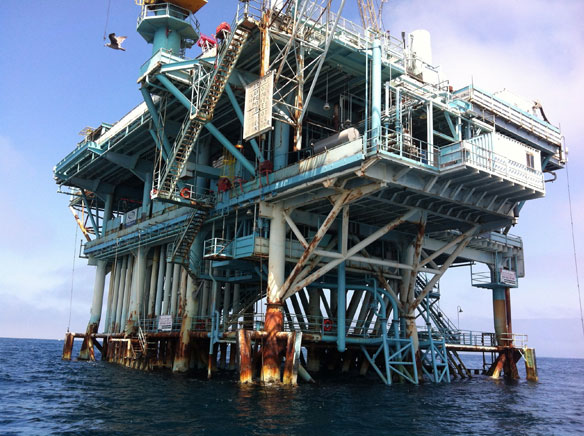
Interior department continues processing permits and moves forward with controversial plan to increase drilling in the Arctic.
Argentina: The Atlantic Coast loses two meters of beach per year
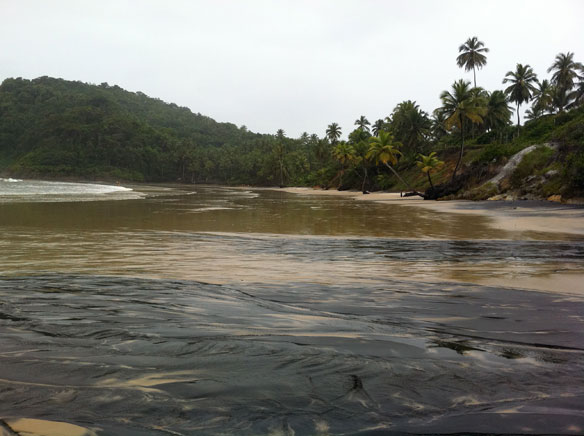
It happens in the main beaches of Buenos Aires, due to the erosion, generated by the loss of dunes, urban intervention, with walls of cement, coastal roads, the afforestation of the dunes and the theft of sand for constructions.