
The Cement Industry, One of the World’s Largest CO2 Emitters, Pledges to Cut Greenhouse Gases
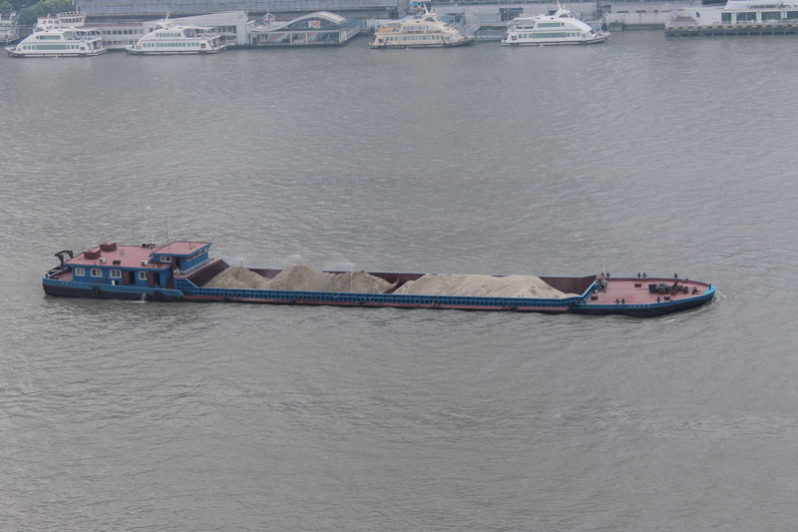
Cement is the second most-consumed resource in the world, with more than 4 billion tons of the material produced globally every year. As a result, the industry generates approximately 8 percent of global CO2 emissions.
Marine debris study counts trash from Texas to Florida
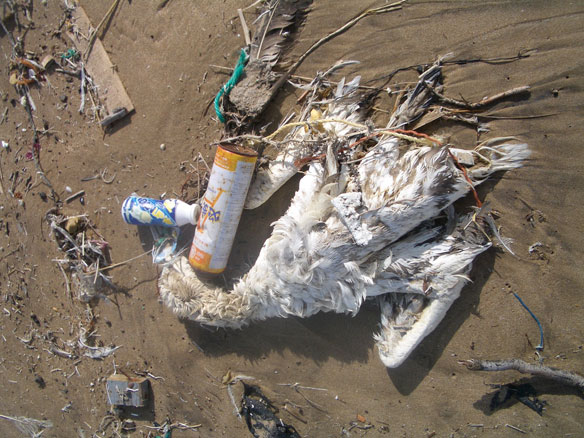
Trash, particularly plastic, in the ocean and along the shoreline is an economic, environmental, human health, and aesthetic problem causing serious challenges to coastal communities around the world.
‘It’s warm water now’: climate change strands sea turtles on Cape Cod shores
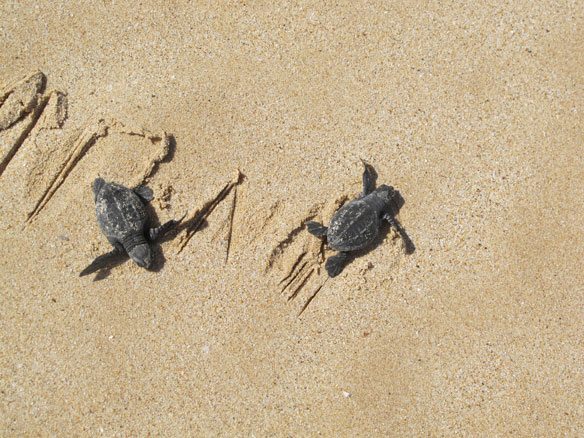
At the New England Aquarium’s sea turtle hospital in a repurposed shipyard building south of Boston, the casualties of climate change swim in tanks as they recover after being pulled stunned from the beach.
Japan confirms it will quit IWC to resume commercial whaling

Japan is facing international condemnation after confirming it will resuming commercial whaling for the first time in more than 30 years.
Residents urged to stay clear of beaches until Wednesday, Indonesia
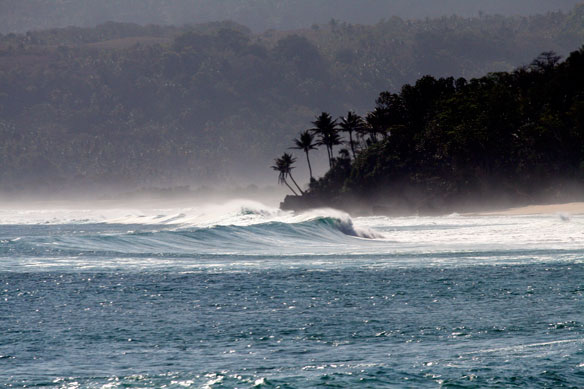
Central authorities have warned residents to temporarily halt activities along the beaches of the Sunda Strait, following what they called a volcanic earthquake on Anak Krakatau volcano that had triggered a tsunami in Banten and Lampung on Saturday night.
The Marshall Islands: A nation that fears it’s on the brink of extinction
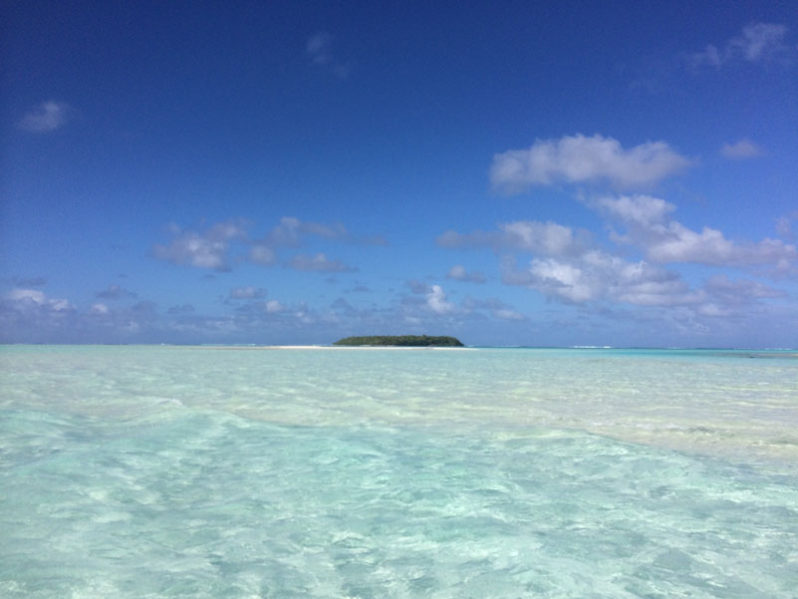
In a battle between man and nature, officials say climate change is threatening the islands’ existence. The most extreme predictions say that rising sea levels could make the nation uninhabitable as soon as 2030.
At least 168 killed when tsunami hits beaches in Indonesia
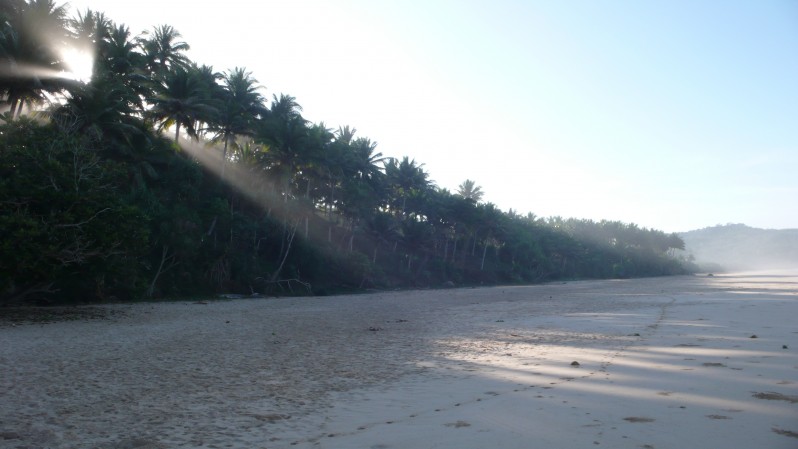
A tsunami that hit Pandeglang, Serang and South Lampung, Indonesia, Saturday night, killed at least 168 people and injured at least 745.
As Polar Bear Attacks Increase in Warming Arctic, a Search for Solutions
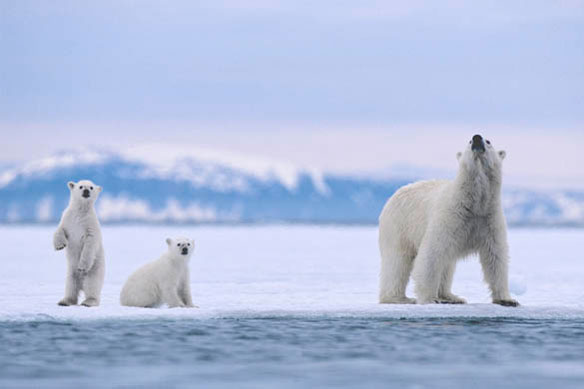
With sea ice reduced, polar bears in the Arctic are spending more time on land, leading to increased attacks on people. Concerned Inuit communities want to increase hunting quotas, but researchers are testing new technologies they hope will reduce these often deadly confrontations.
Loss of intertidal ecosystem exposes coastal communities
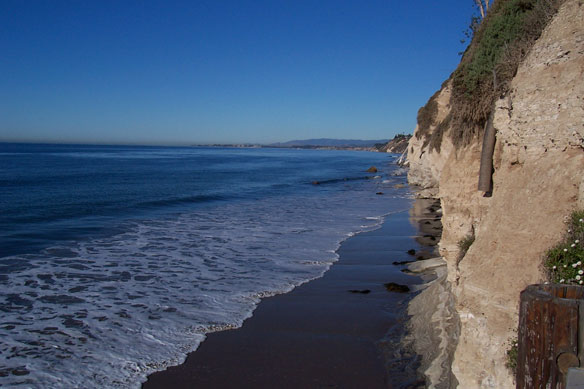
Artificial intelligence and extensive satellite imagery have allowed researchers to map the world’s intertidal zones for the first time, revealing a significant loss of the crucial ecosystem. The study has shown that global foreshore environments declined by up to 16 percent between 1984 and 2016.