
Decline in shorebirds linked to climate change, experts warn
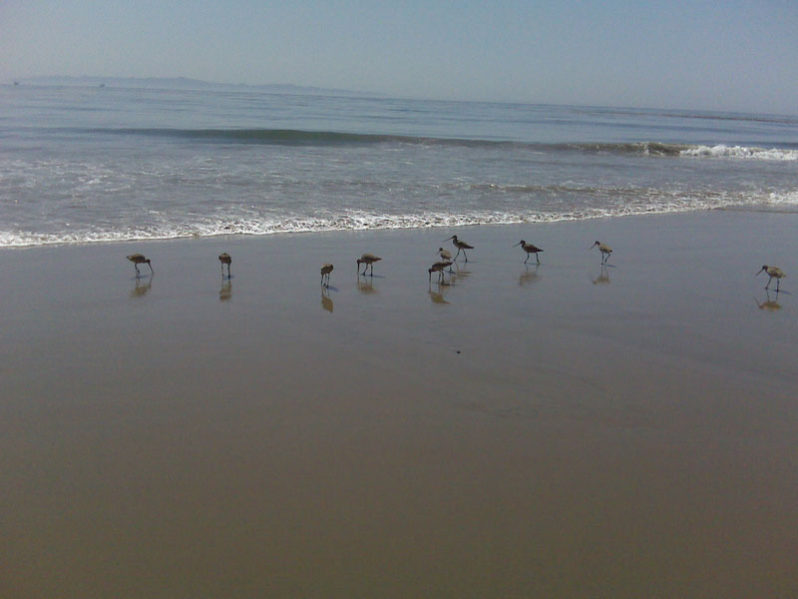
Climate change could be responsible for a substantial decline in populations of shorebirds, say researchers from the Milner Centre for Evolution at the University of Bath, following a study published in Science analysing population data over a period of 70 years.
Modern slavery promotes overfishing

Labour abuses, including modern slavery, are ‘hidden subsidies’ that allow distant-water fishing fleets to remain profitable and promote overfishing, new research from the University of Western Australia and the Sea Around Us initiative at the University of British Columbia has found.
Coastal property was once king. Fears of climate change are undermining its value
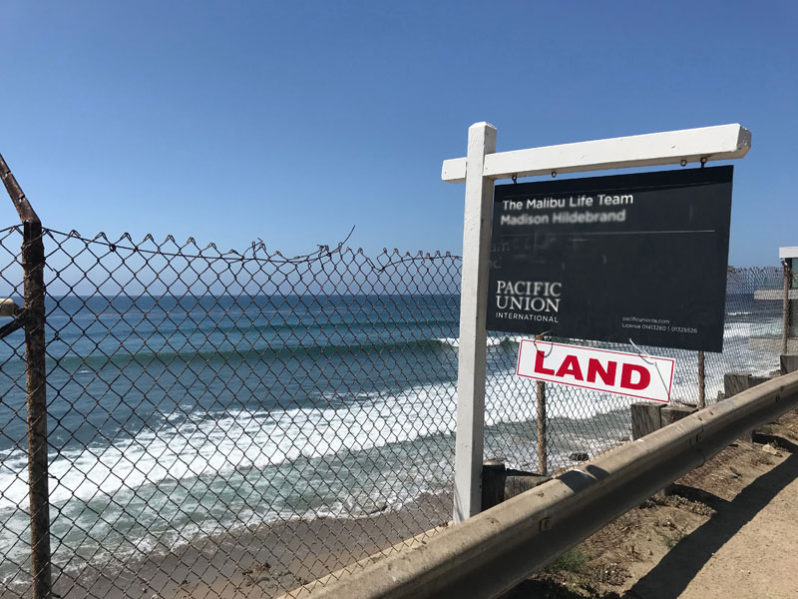
In a growing number of coastal communities, homes near the sea are appreciating more slowly than those inland. That’s bad news for people on the beach, good news for those farther away.
Sighting of sperm whales in Arctic a sign of changing ecosystem, say scientists
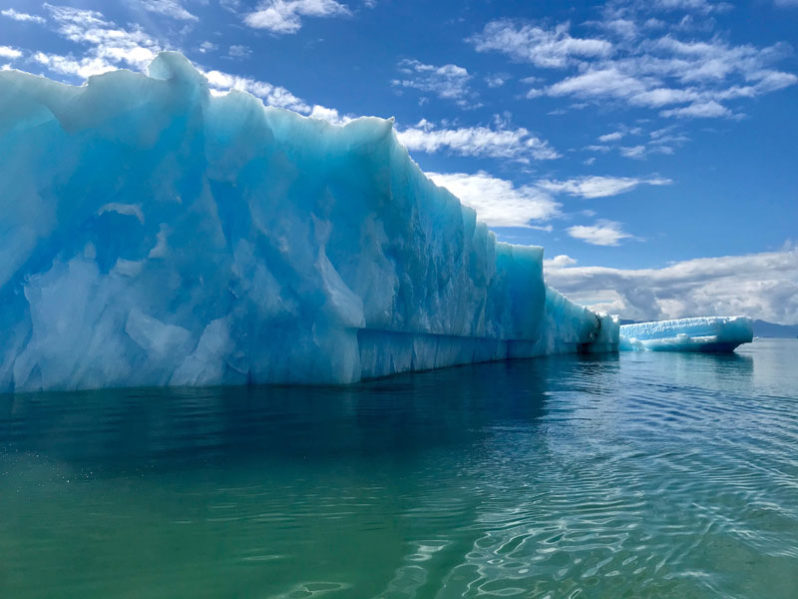
A rare sighting of sperm whales in the Canadian Arctic is the latest sign of a quickly changing ecosystem, say scientists, as a growing number of species expand their range into warming Arctic waters.
Earth’s oceans have absorbed 60 percent more heat than previously thought
Since 1991, the world’s oceans have absorbed an amount of heat energy each year that is 150 times the energy humans produce as electricity annually, according to a new study. The strong ocean warming the researchers found suggests that Earth is more sensitive to fossil-fuel emissions than previously thought.
Humanity has wiped out 60% of animal populations since 1970, report finds

Humanity has wiped out 60% of mammals, birds, fish and reptiles since 1970, leading the world’s foremost experts to warn that the annihilation of wildlife is now an emergency that threatens civilisation.
Australia joins Clean Seas and pledges to recycle or compost 70 per cent of all plastic packaging by 2025
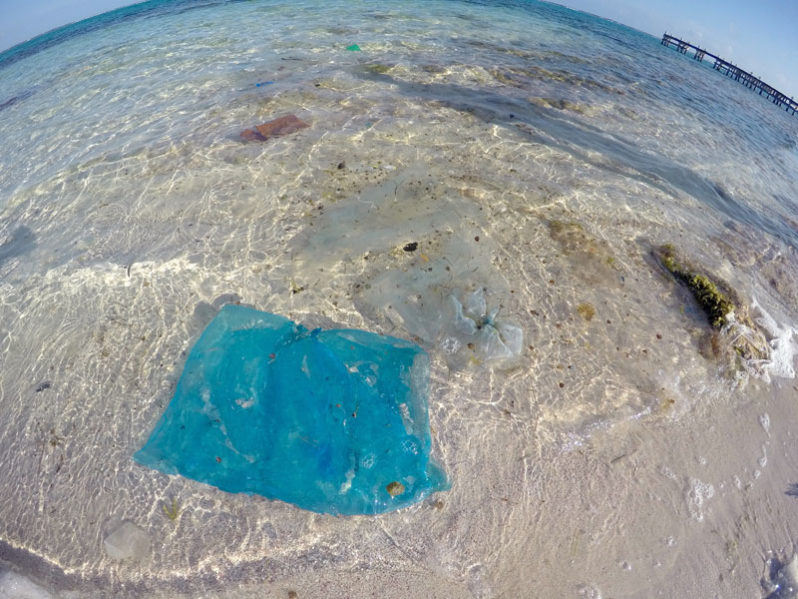
Australia becomes the latest country to join the movement to turn the tide on plastic, as Melissa Price, the country’s minister of the Environment, announces that the country is joining the Clean Seas campaign. Among other things, the country is pledging that 100 per cent of Australia’s packaging will be reusable, compostable or recyclable by 2025, and 70 per cent will be recycled or composted by 2025.
Three-quarters of Venice underwater as city hit by worst flooding in a decade
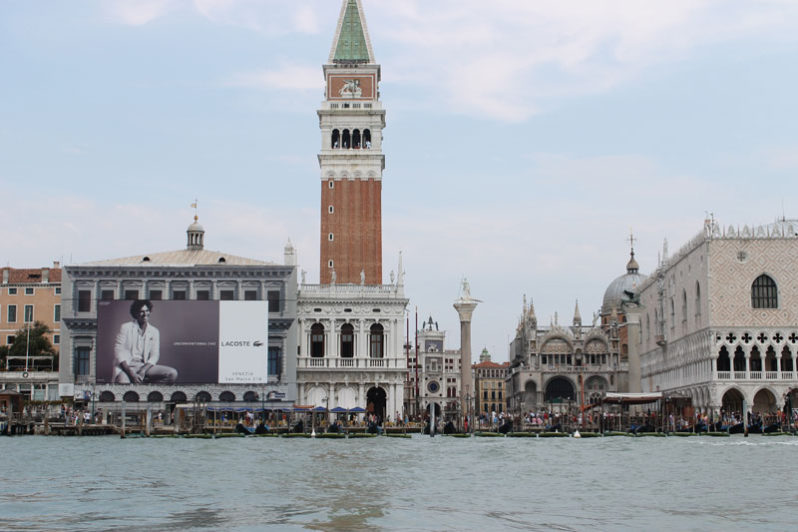
Three-quarters of the lagoon city of Venice was under water Monday. Venice frequently floods when high winds push in water from the lagoon, but Monday’s levels were exceptional. The peak level was the highest reached since December 2008, according to Venice statistics.
China’s search for sand is destroying Mozambique’s pristine beaches
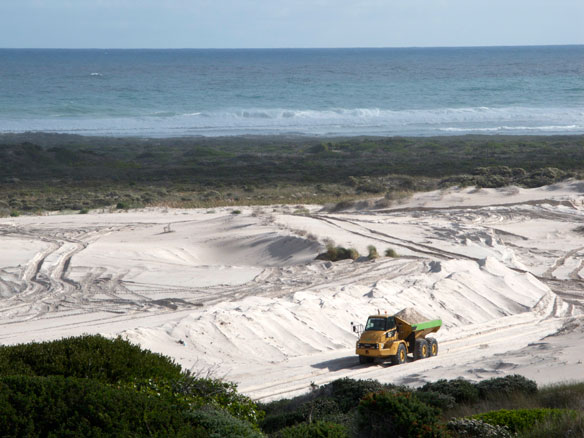
The community of Nagonha in northern Mozambique sits on a tall dune with lush greenery on the one side, and a turquoise Indian ocean on the other. It should have been the kind of unspoiled landscape that Mozambique’s growing tourism industry is beginning to take advantage of. Instead, a Chinese mining company has irrevocably tarnished the scenery, and people’s lives.