
Europe Takes First Steps in Electrifying World’s Shipping Fleets

Container ships, tankers, freighters, and cruise liners are a significant source of CO2 emissions and other pollutants. Led by Norway, Europe is beginning to electrify its coastal vessels – but the task of greening the high seas fleet is far more daunting.
In an internal memo, the White House considered whether to simply ‘ignore’ federal climate research
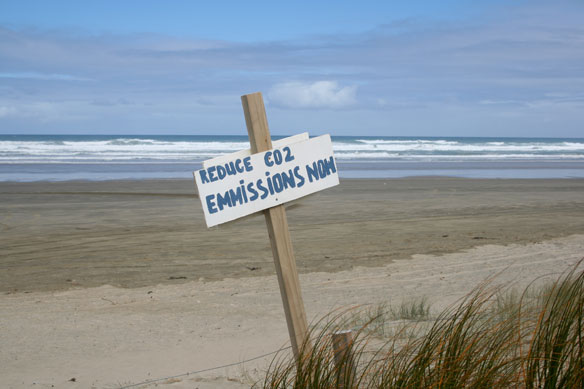
White House officials last year weighed whether to simply “ignore” climate studies produced by government scientists or to instead develop “a coherent, fact-based message about climate science,” according to a memo obtained by The Washington Post.
Review of biodegradable bags shows not enough is known to judge if they are safe for environment
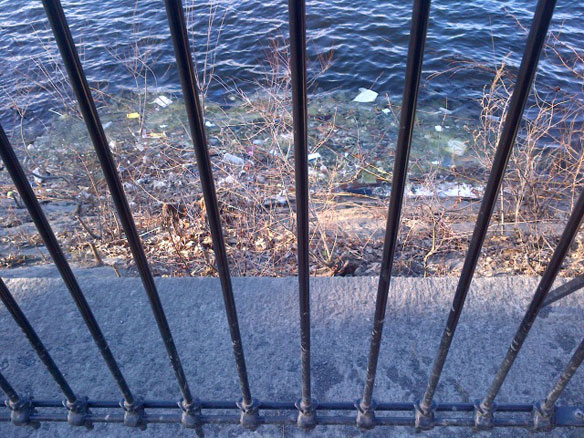
A team of researchers from the U.K. Austria and France has found that not enough work has been done to determine if biodegradable shopping bags are actually environmentally friendly.
Microplastics most abundant in the surface sediments
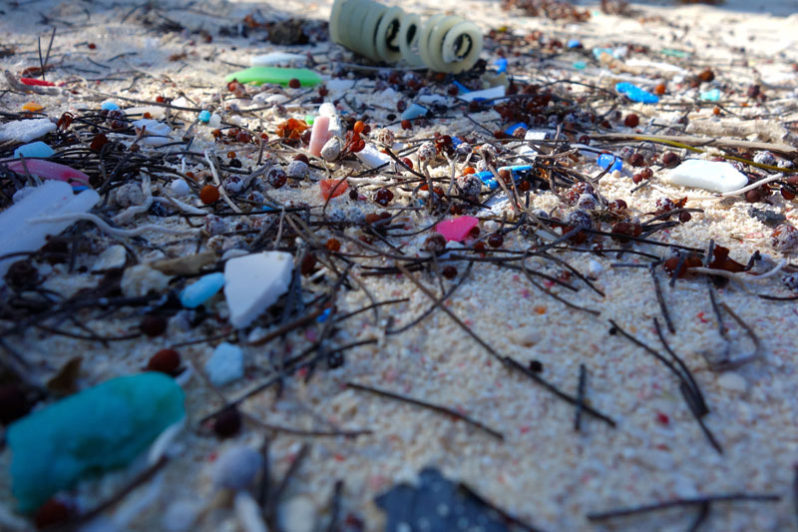
Microplastics were found at all 16 sites studied in Baynes Sound and Lambert Channel, British Columbia, and were most abundant in the sediments of Henry Bay and Metcalfe Bay, according to a new study, that identified three main types: microfibers, microbeads and micro fragments.
Shipping and Industry Threaten Famed Home of the Bengal Tiger
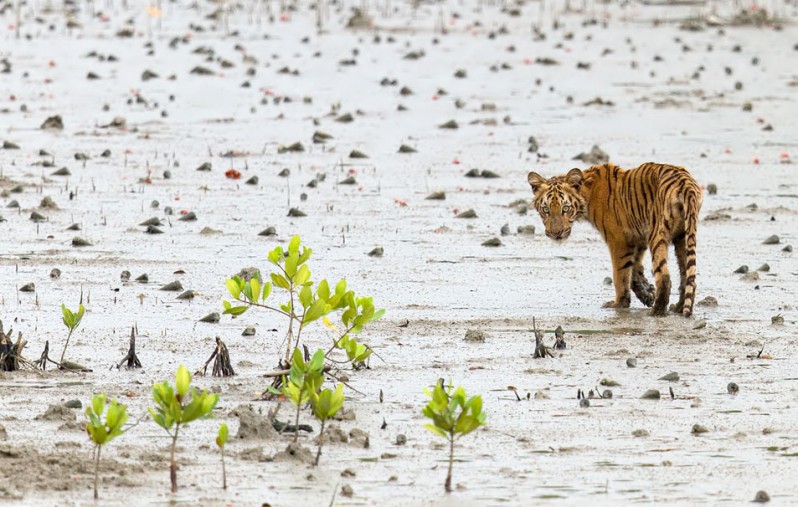
Toxic chemical pollution in the Sundarbans, the largest mangrove forest in the world, is threatening thousands of marine and forest species and has environmentalists deeply concerned about the future of this World Heritage Site.
New volcanic eruption in Hawaii spews more lava into the ocean
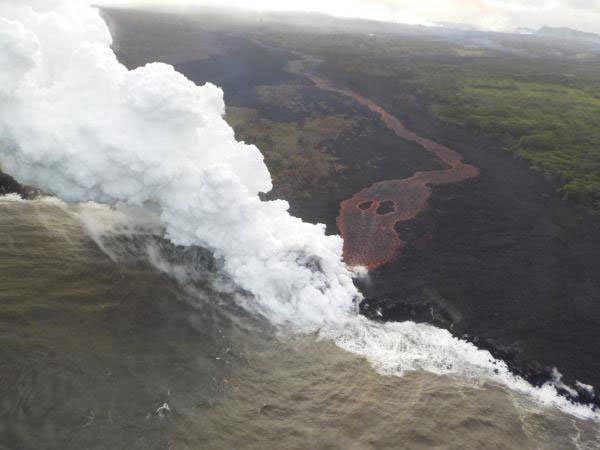
Kilauea, the volcano in Hawaii that began erupting almost three weeks ago, exploded again Monday evening with eruptive lava activity at multiple fissures, with one flow entering the ocean forming a haze known as “laze” that contained microscopic shards of glass that is dangerous to breathe.
Human race just 0.01% of all life but has eradicated most other living things
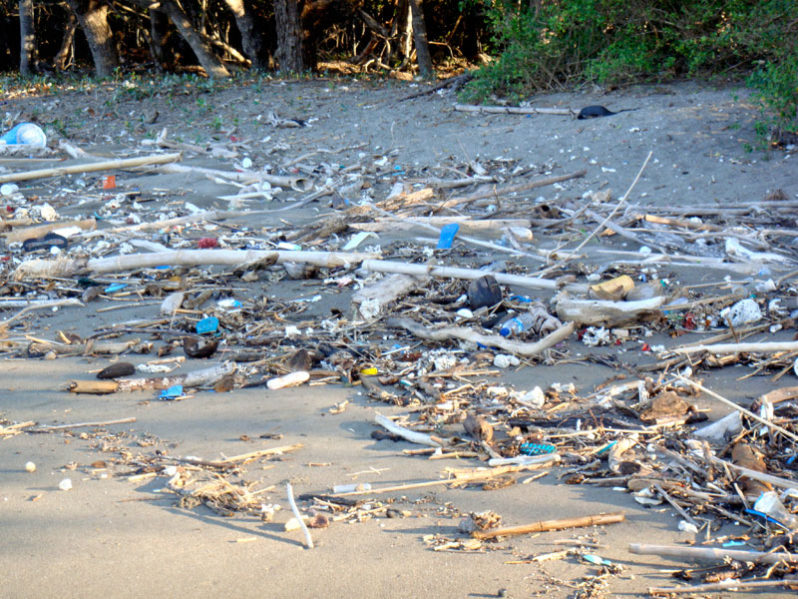
Humankind is revealed as simultaneously insignificant and utterly dominant in the grand scheme of life on Earth by a groundbreaking new assessment of all life on the planet.
Hurricanes: Stronger, slower, wetter in the future?
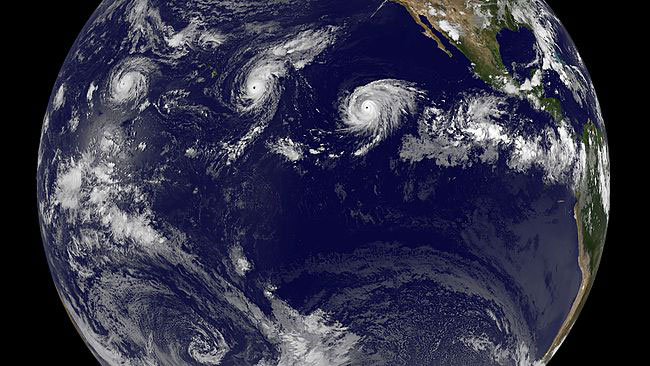
Scientists have developed a detailed analysis of how 22 recent hurricanes would be different if they formed under the conditions predicted for the late 21st century.
Adapt or die: Can evolution outrun climate change?
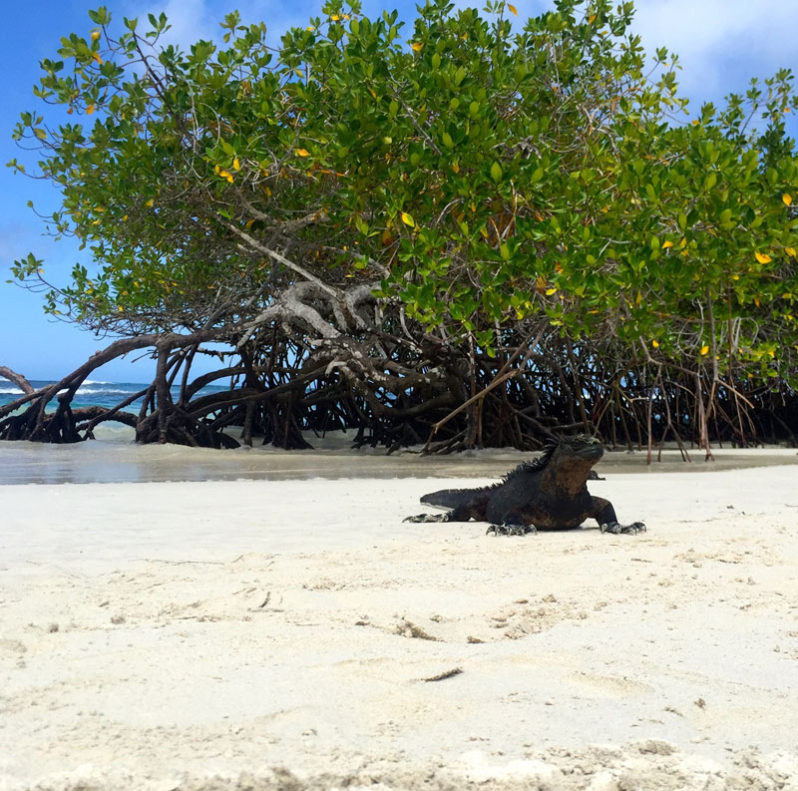
Across the planet, animal and plant species are on the run. A rapidly changing climate is shifting when and where plants blossom, and forcing creatures big and small to migrate and learn new tactics for survival. It’s a trend that’s likely to accelerate as scientists expect to see more extreme weather events.