
Greenland’s ice shelves hold back sea level rise. There are just 5 left – the Washington Post
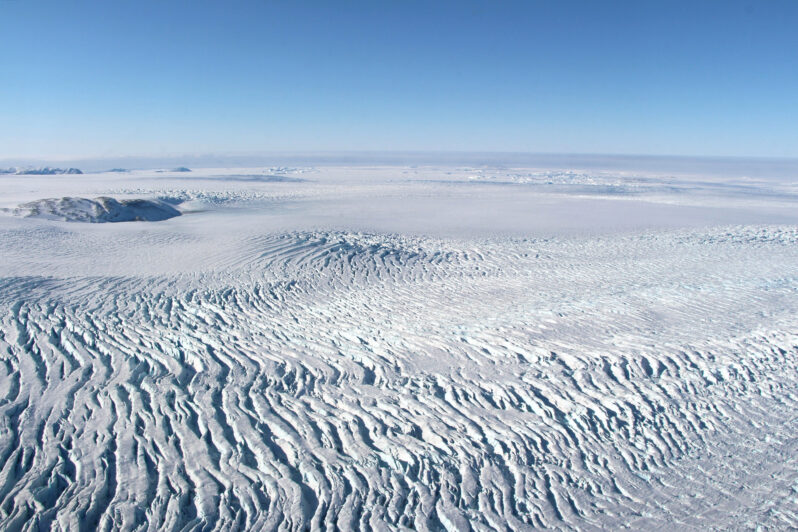
And now there are only five large shelves left, stretching out from their fjords toward the Greenland Sea and the Arctic Ocean. That includes three major ones — Petermann, Ryder and Nioghalvfjerdsbrae (often referred to as 79 North for its location in degrees latitude) — whose respective glaciers could ultimately account for 3.6 feet of sea level rise if they were to melt entirely — a process that would take centuries to play out…
Climate crisis costing $16m an hour in extreme weather damage, study estimates – the Guardian
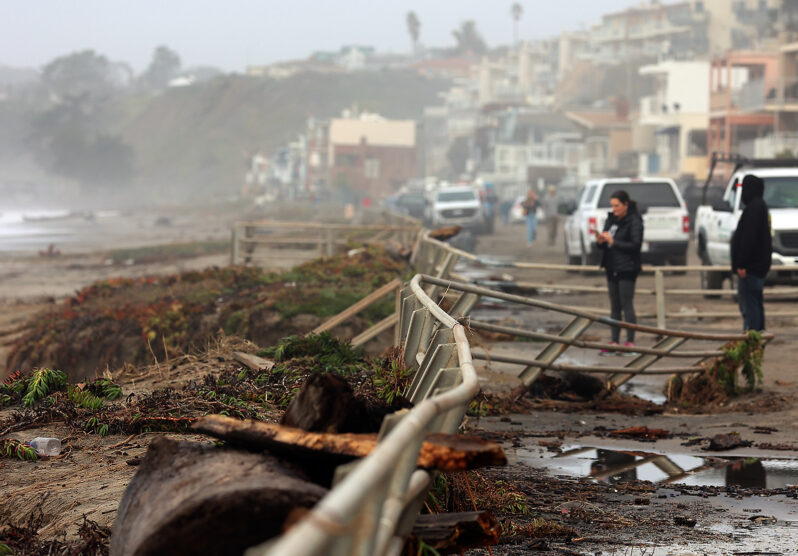
The damage caused by the climate crisis through extreme weather has cost $16m (£13m) an hour for the past 20 years, according to a new estimate.
Storms, floods, heatwaves and droughts have taken many lives and destroyed swathes of property in recent decades, with global heating making the events more frequent and intense. The study is the first to calculate a global figure for the increased costs directly attributable to human-caused global heating…
What does an octopus eat? For a creature with a brain in each arm, whatever’s within reach – the Conversation
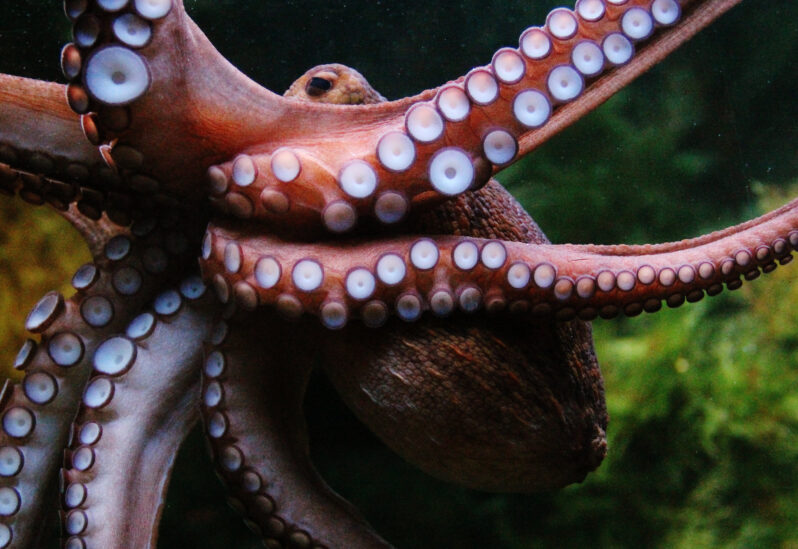
The octopus is one of the coolest animals in the sea. For starters, they are invertebrates. That means they don’t have backbones like humans, lions, turtles and birds.
That may sound unusual, but actually, nearly all animals on Earth are invertebrates – about 97%…What octopuses eat depends on what species they are and where they live ..
Long Story Shorts: Why Should You Care about Deep-Sea Mining? – Hakai Institute
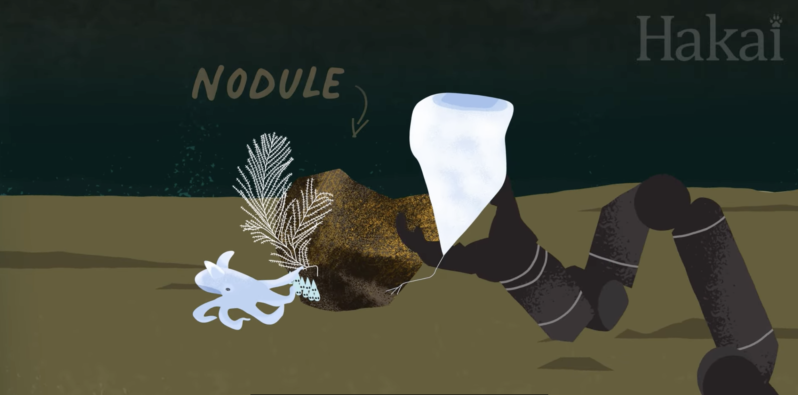
Deep-sea mining is a controversial proposed solution to the rising global demand for metals—but did you know it has the potential to destroy vital deep-water ecosystems and cause unknown ripple effects through the entire marine ecosystem?
September shattered global heat record — and by a record margin – the Washington Post
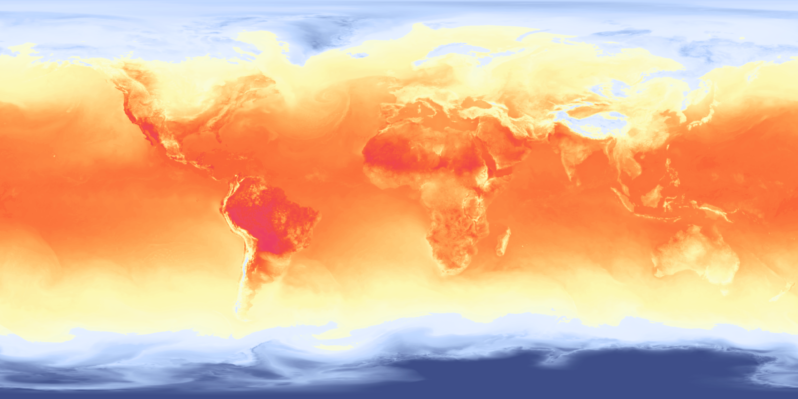
Temperatures around the world last month were at levels closer to normal for July according to separate data analyses by European and Japanese climate scientists.
September’s average temperature was nearly 1 degree Celsius (1.7 degrees Fahrenheit) above 1991-2020 levels — or about 1.7 to 1.8 degrees Celsius (3.1 to 3.2 degrees Fahrenheit) above normal from before industrialization and the widespread use of fossil fuels…
The Not-So-Natural Beach – Ryan Anderson
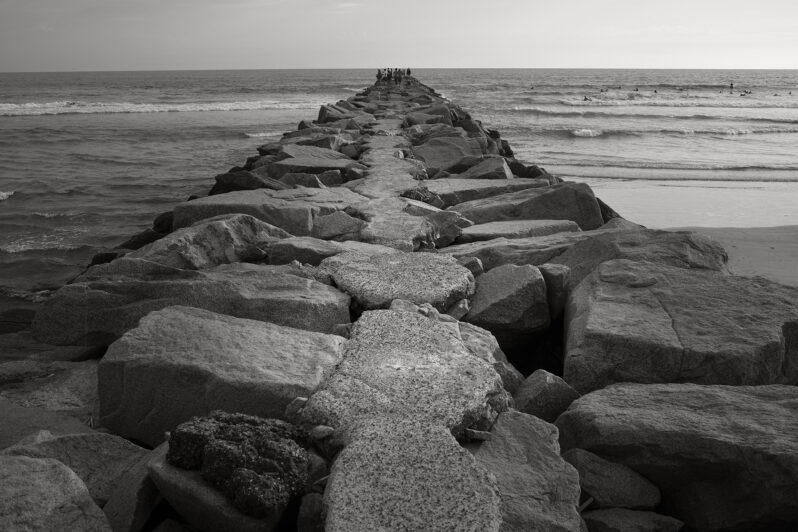
Growing up, I always imagined the beach to be a natural place. I think it’s safe to say that this sentiment may be pretty common among many beachgoers. It’s easy to think of the beach as being somewhat “natural,” or at least close to that thing some people call “nature.” This is a short piece, so I won’t go down the what is nature!? rabbit hole for now. By natural I mean something along the lines of “not caused or created by human intervention.” So here’s the thing: many beaches are actually far less “natural” than many people assume or know…
World’s Oceans Changing Colour Due to Climate Breakdown – the Guardian
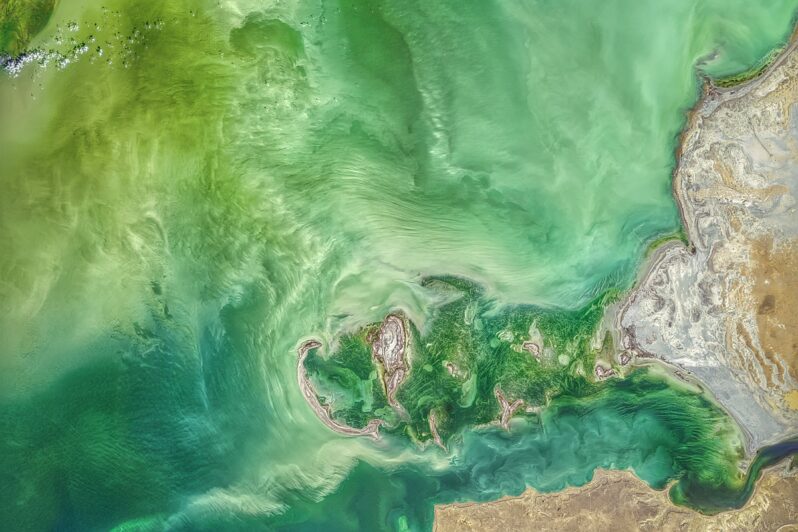
The sea is becoming greener due to changes in plankton populations, analysis of Nasa images finds…
Why does nature create patterns? – the Conversation
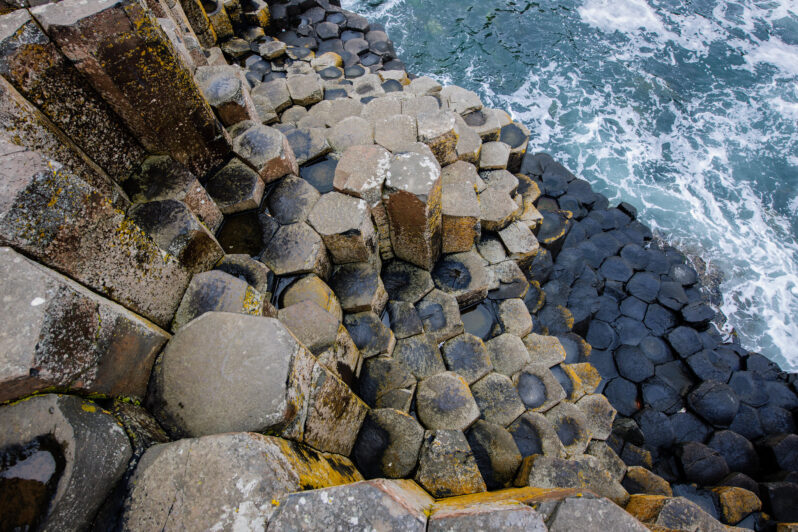
The reason patterns often appear in nature is simple: The same basic physical or chemical processes occur in many patterned substances and organisms as they form. Whether in plants and animals or rocks, foams and ice crystals, the intricate patterns that happen in nature come down to what’s happening at the level of atoms and molecules…
Lessons from California on How to Adapt to Sea Level Rise – NPR | On Point with Meghna Chakrabarti
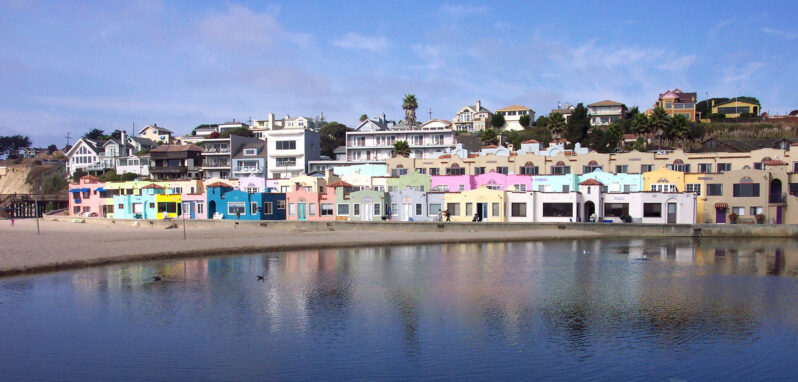
The Pacific Ocean off the California coast could rise more than six feet by the end of this century, according to some estimates…
Guests: Rosanna Xia, environmental reporter for the LA Times. Author of “California Against the Sea: Visions for our Vanishing Coastline.”
A.R. Siders, director of the Climate Change Hub and professor on climate change adaptation at the University of Delaware.