
Sydney’s unusual sewerage system to blame for faecal and fat balls on beaches, experts claim – the Guardian
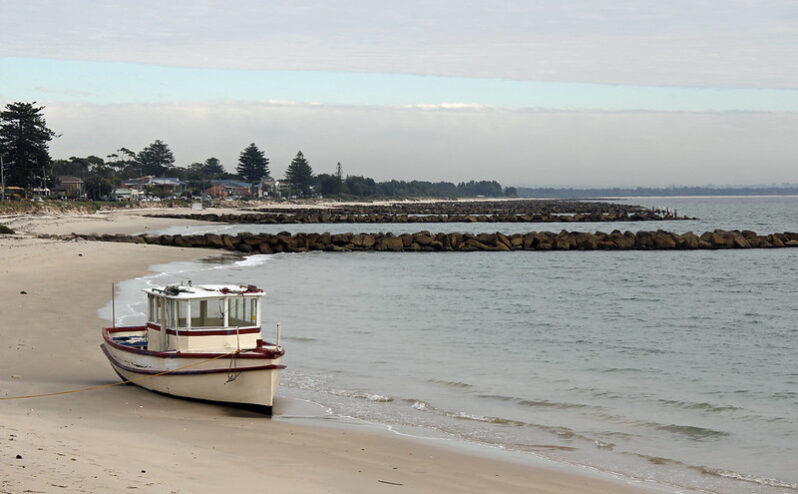
City invented Australia’s beach culture, environmentalist Richard Gosden says, but all this time ‘it’s been conducted in diluted sewage’…
Untreated sewage and fertilizer runoff threaten the Florida manatee – the Conversation
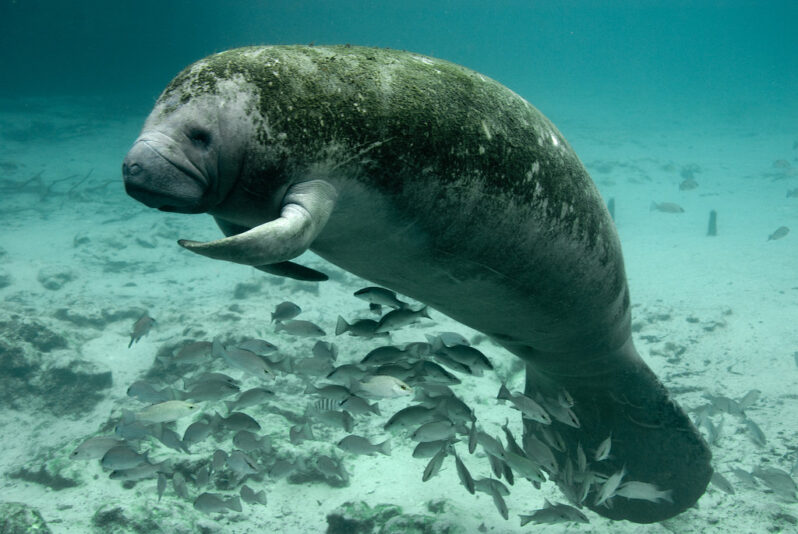
The gentle, slow-moving Florida manatee has no natural predators. And yet, these charismatic mammals face numerous threats….
Win for wild swimmers as government pledges crackdown on water pollution in bathing spots – the Independent
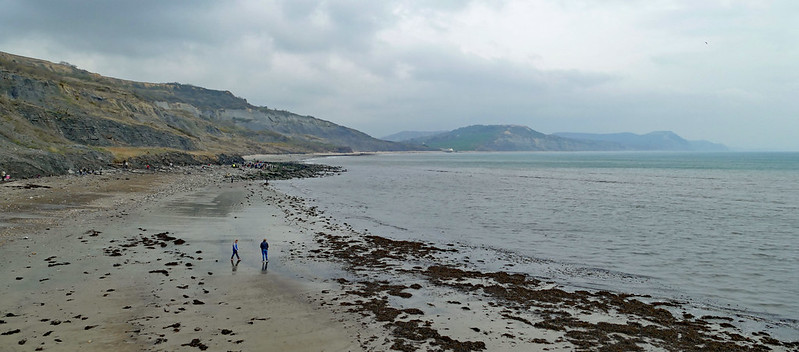
Plans are being considered to increase the protection of England and Wales’ 550 water bathing spots from beyond the summer months and see the number expended to include popular surfing spots…
‘I swam in the polluted Channel and now I need hearing aids’ – the Times UK
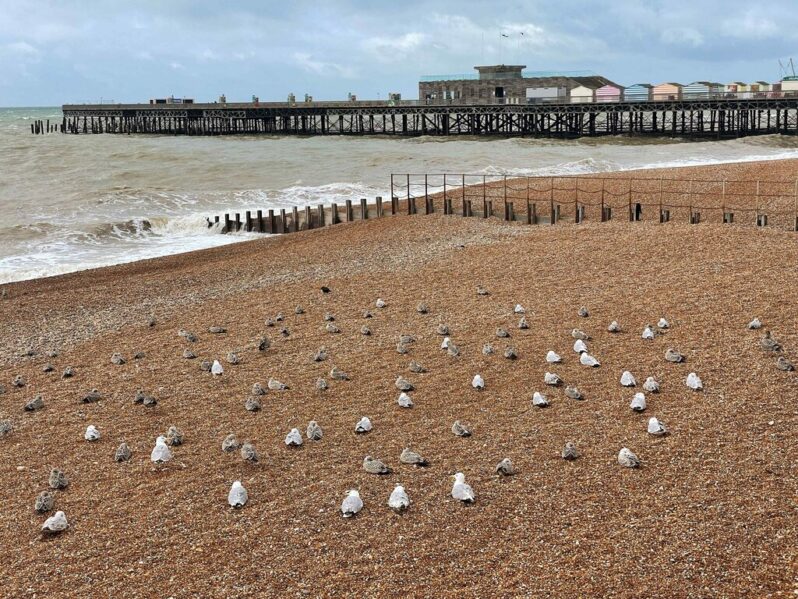
Maggie Alderson blames poor water quality off Hastings for an infection that punctured her ear drum. Samples taken from the sea would appear to back that up…
Cape Cod needs to clean up its water. The solutions could cost billions – WBUR Boston | Scientific American
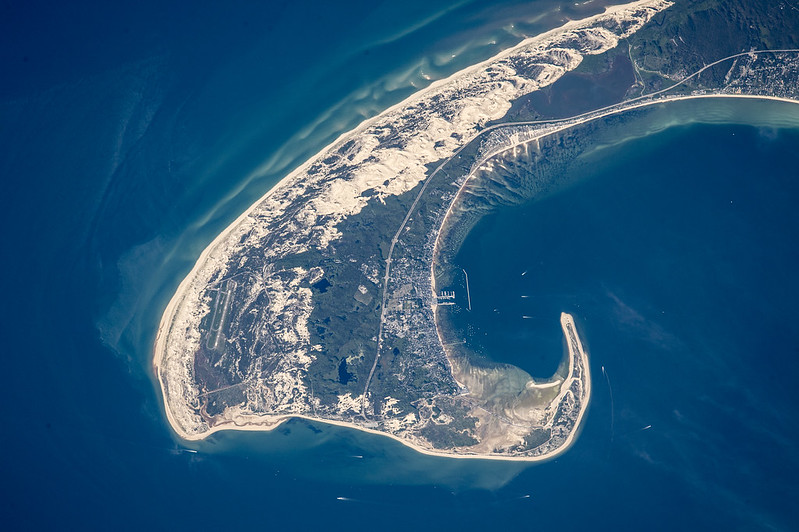
It’s a critical moment for Cape Cod. The Cape has more than 550 miles of coastline, at least 890 freshwater ponds and 53 small saltwater bays bordering the ocean. That water is the Cape’s raison d’être: residents and visitors use it for swimming, boating and fishing, and it forms the backbone of the region’s $1.4 billion tourism industry. Now Cape Cod communities are scrambling for solutions before their ecosystems, economies and property values collapse….
Popular Maui beaches remain open despite no official word they’re safe – SFGATE

Nearly six months after the Lahaina wildfire on Maui, questions remain about how ongoing contamination from the burn zone may be affecting the shoreline of West Maui — even as locals, and an increasing number of tourists, continue to swim and surf at beaches…
How Terrestrial Turds Lead to Marine Maladies – Hakai Magazine
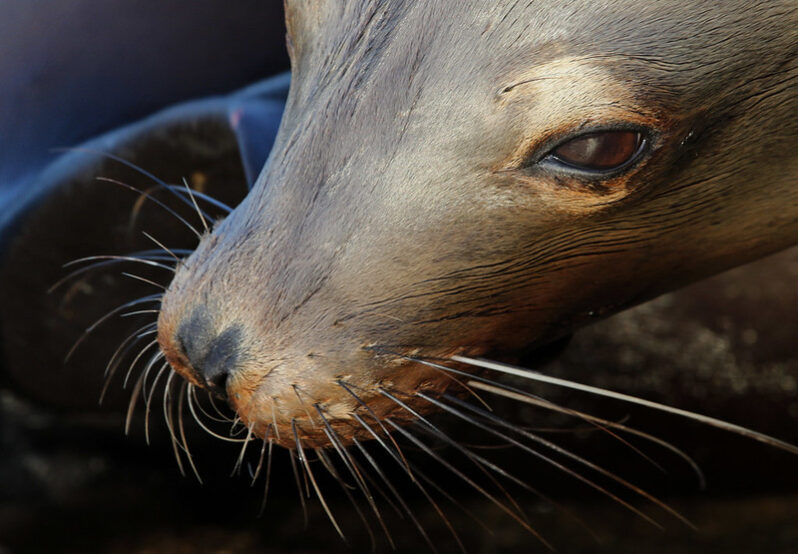
Diseases from land animals are killing marine mammals at an alarming rate. Can we stem the flow of feces?
We Traced the Forever Chemicals Getting Into Ocean Ecosystems – the Conversation

PFAS, the “forever chemicals” that have been raising health concerns across the country, are not just a problem in drinking water. As these chemicals leach out of failing septic systems and landfills and wash off airport runways and farm fields, they can end up in streams that ultimately discharge into ocean ecosystems where fish, dolphins, manatees, sharks and other marine species live…
Oil spill tops 1 million gallons, threatens Gulf of Mexico wildlife – the Washington Post
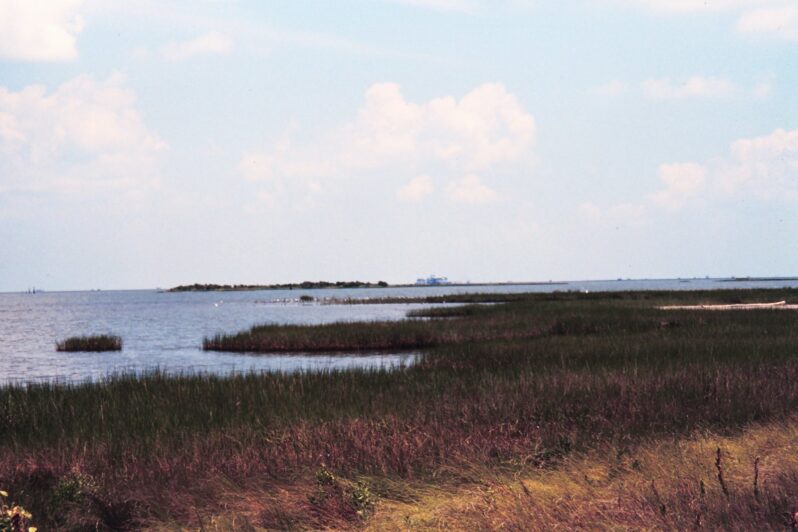
Skimming vessels are working to contain and recover oil from a spill in the Gulf of Mexico off the Louisiana coast, which the U.S. Coast Guard on Tuesday estimated to be at least 1.1 million gallons. The spill was discovered Thursday near a 67-mile pipeline operated by the Main Pass Oil Gathering Co., owned by Houston-based Third Coast Infrastructure, and the Coast Guard said it was still reviewing whether that pipeline was the source of the contamination…