
Seagrass meadows in Guam have decreased by 22 percent, new analysis shows
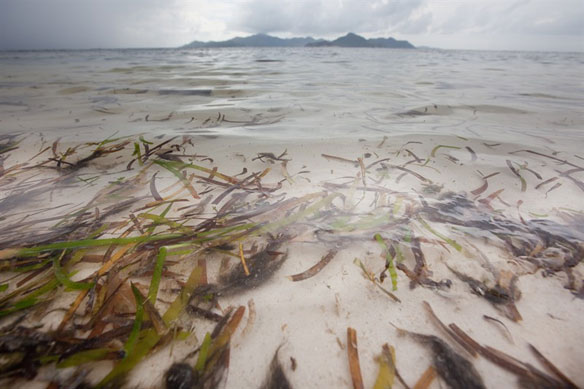
As the oceans warm and humans migrate to or grow in numbers in coastal areas of the world, scientists are increasingly keeping an eye on ocean seagrasses and their decline. A new analysis shows that seagrass meadows in Guam have decreased by 22 percent.
Florida has a new water problem: red tide on the state’s busiest coast
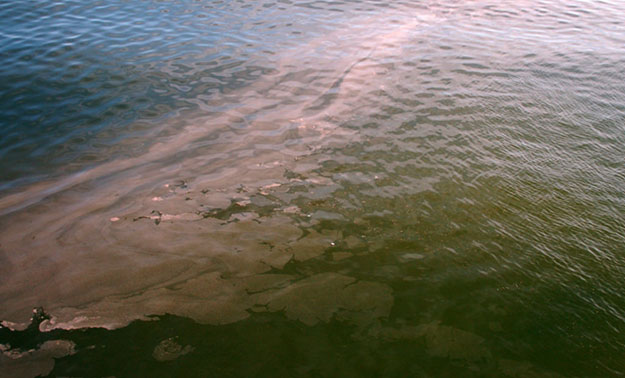
A red tide that has sloshed up and down the Gulf Coast for nearly a year, leaving a wake of dead sea life, murky water and stinky beaches, has now landed on the state’s most crowded shores in Miami-Dade County.
Why sea level rise threatens more than just land
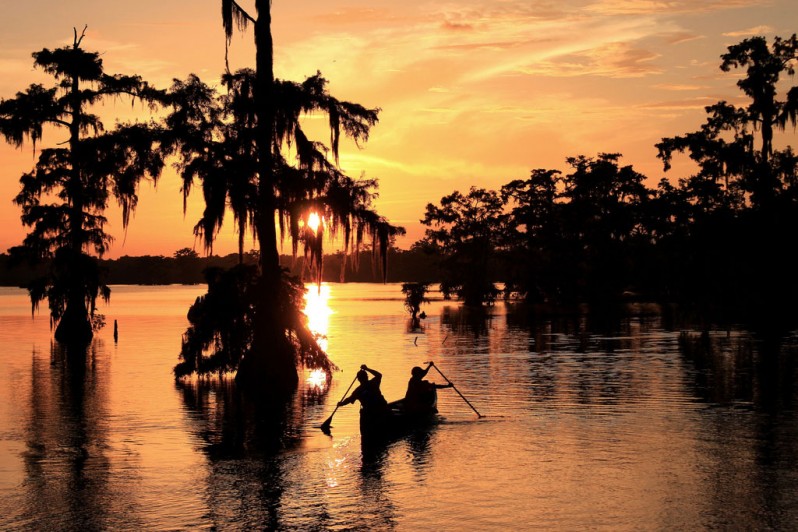
In the Southeast, we stand to lose precious wildlife and culture, too. According to the scientific journal Plos One, more than 13,000 archaeological sites across the Southeast will disappear, many of those historical, cultural and architectural treasures are found on refuges from North Carolina to Florida to Texas…
Thailand bay made popular by ‘The Beach’ closes indefinitely

“Maya Bay”, a popular day-trip destination, was due to reopen this month following a temporary tourist ban. But on Tuesday, Thailand’s Department of National Parks, Wildlife and Plant Conservation (DNP) announced the bay will remain closed indefinitely.
The US would suffer some of the biggest costs of climate change
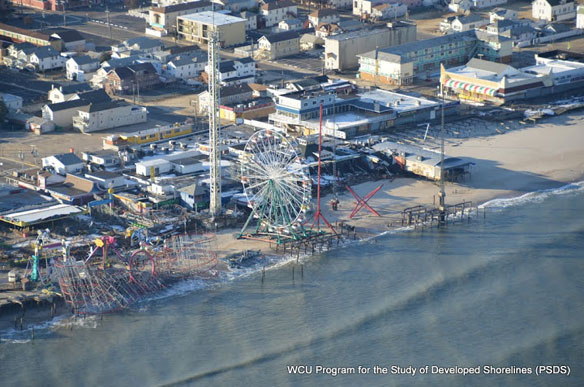
Climate change is a classic tragedy of the commons: every country acting in its own self-interest contributes to depleting a joint resource, making the world worse for everyone. The social cost of carbon (or SCC) is a way to put a price tag on the result of that tragedy, quantifying just how much climate change will cost the world over the coming generations.
As sand mining grows, Asia’s deltas are sinking, water experts warn

Sand mining from rivers is depriving many low-lying Asian deltas of the sediment they need to maintain themselves, raising the risk of worsening land loss to sea level rise, researchers say.
Hawai’i land impacted by sea level rise may be double previous estimates
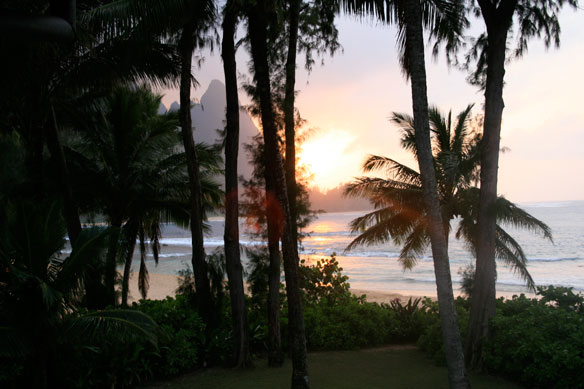
By including models of dynamical physical processes such as erosion and wave run-up, a team of researchers has determined that land area in Hawai’i vulnerable to future sea level rise may be double previous estimates.
Paris Conundrum: How to Know How Much Carbon Is Being Emitted?
As climate negotiators consider rules for verifying commitments under the Paris Agreement, they will have to confront a difficult truth: There currently is no reliably accurate way to measure total global emissions or how much CO2 is coming from individual nations.
PCB pollution threatens to wipe out killer whales
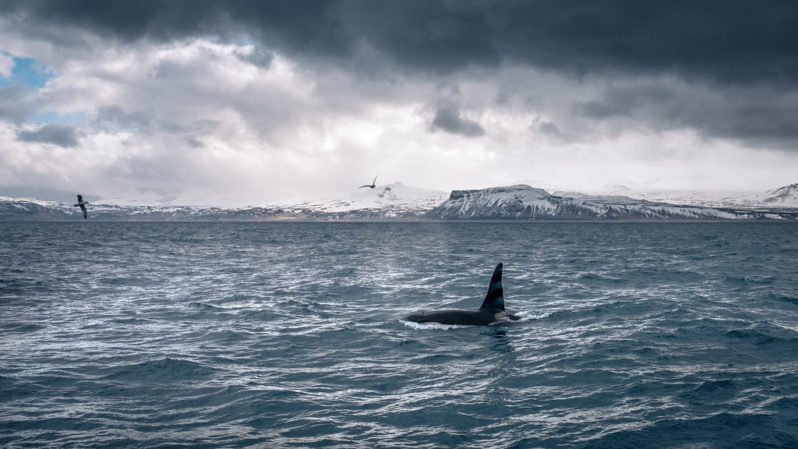
More than 40 years after the first initiatives were taken to ban the use of PCBs, the chemical pollutants remain a deadly threat to animals at the top of the food chain. A new study shows that the current concentrations of PCBs can lead to the disappearance of half of the world’s populations of killer whales from the most heavily contaminated areas within a period of just 30-50 years.