
A New IFC Vision for Greening Banks in Emerging Markets
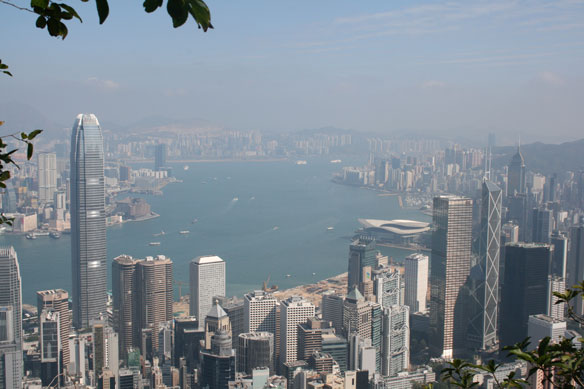
This past fiscal year, 36 percent of our own accounts and mobilization supported climate-smart projects — up from 12 percent a decade ago. Since May, we have been applying a carbon price to all project finance investments in the cement, chemicals, and thermal power sectors, at $40-80 per metric ton…Yet we should do more.
Hurricane Michael brings new threat to Florida’s victims: toxic red tide
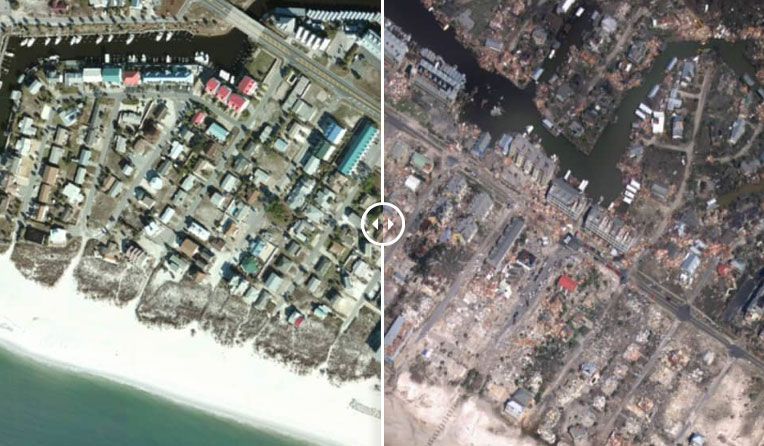
Biologists fear that the storm surge carried with it red tide toxins that can cause respiratory distress and flu-like symptoms.
Why the current hurricane rating system needs to be scrapped
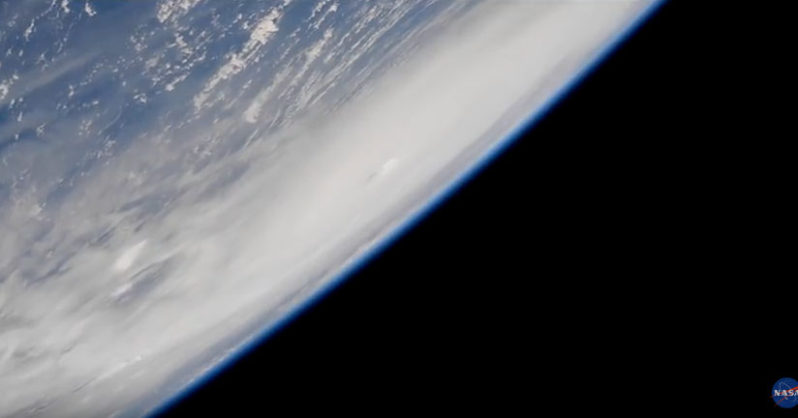
For decades, hurricanes have been rated on a scale of 1 to 5 based solely on a storm’s wind speeds. But as recent hurricanes show, a tropical cyclone’s winds often tell us little about its real threats — coastal storm surge and precipitation-driven flooding.
Sinking Santa Cruz: climate change threatens famed California beach town
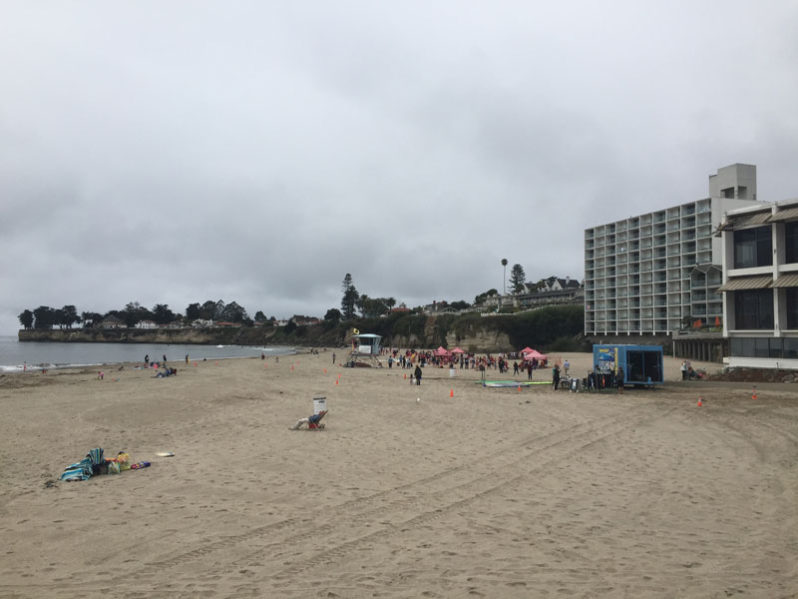
Similar challenges are sprouting up along the coast, and the golden sands and beach properties that define the state at risk.
10 of Australia’s best beaches
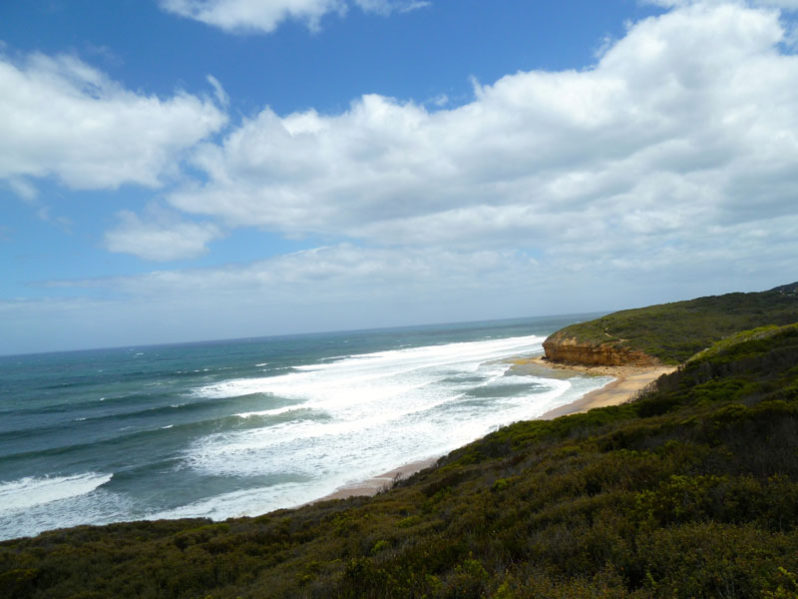
With a coast extending more than 50,000 kilometers, Australia offers beach-hoppers a staggering 12,000 stretches of sand to choose from.
Sentinels of the sea at risk from changing climate
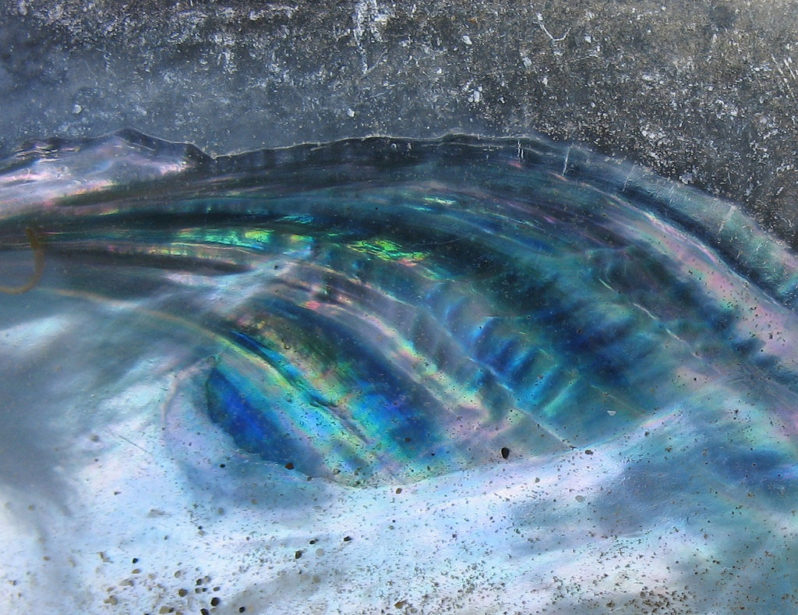
Climate change’s effect on coastal ecosystems is very likely to increase mortality risks of adult oyster populations in the next 20 years.
Space junk?’ What is the ‘foamy’ mystery object that washed ashore on an SC beach?
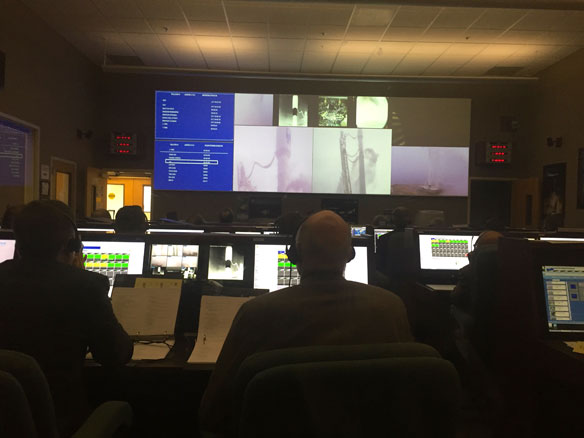
A mystery came out of the ocean on South Carolina’s Seabrook Island, and authorities haven’t yet identified what some are calling “space junk…”
NASA Maps Indonesia Quake, Tsunami Damage
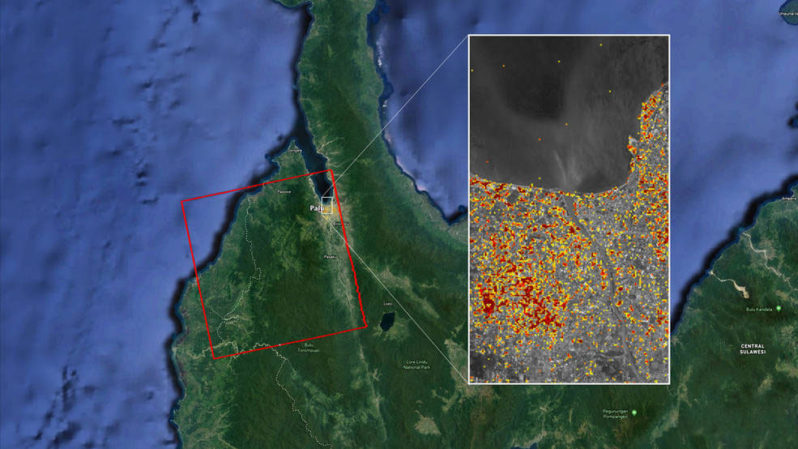
A 7.5-magnitude earthquake on Sept. 28 in northern Indonesia and the devastating tsunami that followed it killed more than 1,400 people and left a large trail of destruction. This map, produced by NASA’s Advanced Rapid Imaging and Analysis (ARIA) team, shows that damage.
Global warming increases wildfire potential damages in Mediterranean Europe
Anthropogenic warming will increase the burned areas due fires in Mediterranean Europe, and the increase of the burned area could be reduced by limiting global warming to 1.5ºC. The higher the warming level is, the larger the increase of the burned area is.