
“Great Pacific Garbage Patch” is growing rapidly, study reveals
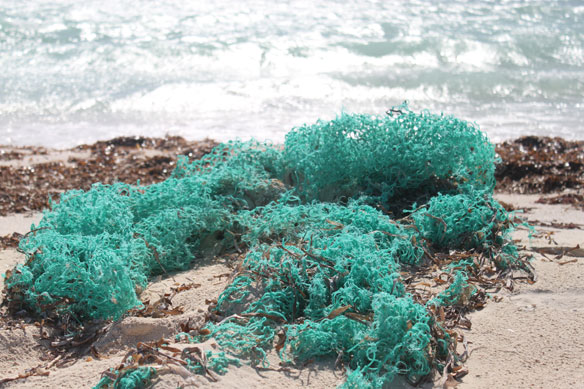
Researchers estimate that at least 79,000 tons of ocean plastic are floating in waters between California and Hawaii – and known as the “Great Pacific Garbage Patch,” an area spanning 1.6 million square kilometers, or about 618,000 square miles – “four to sixteen times higher than previously reported,” the study says.
Is Desalination an Answer to the Water Crisis?
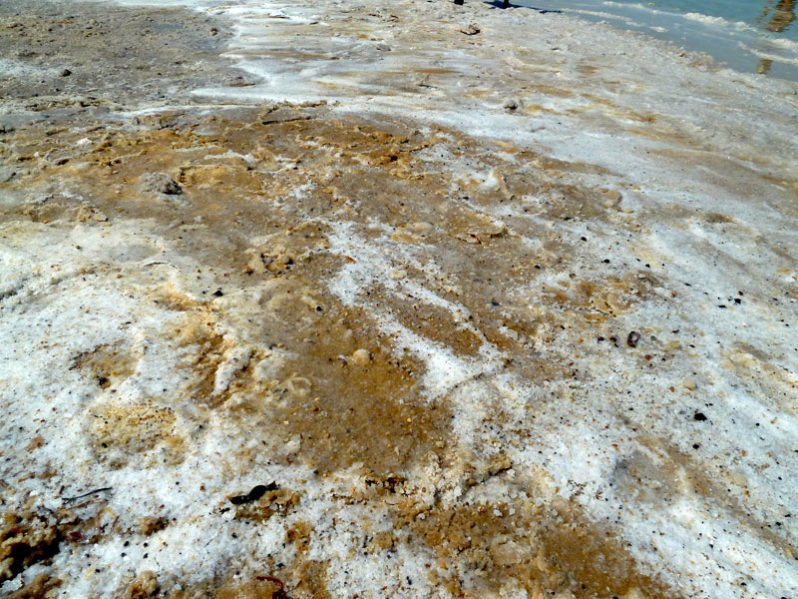
On World Water Day, March 22, universal access to clean water continues to be a privilege… Despite the fact that our oceans and seas make up more than 97% of the earth’s water resources and half the world’s population lives no further than 40 miles from the water, we’re experiencing one water crisis after another. Adding to that frustration is the fact that solutions exist today which could ameliorate our water issues.
On the Louisiana Coast, A Native Community Sinks Slowly into the Sea
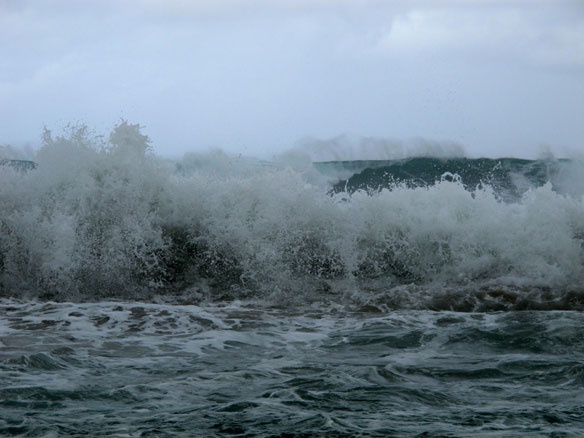
The Biloxi-Chitimacha-Choctaw Indians of southern Louisiana have been called America’s first climate refugees. But two years after receiving federal funding to move to higher ground, the tribe is stuck in limbo, waiting for new homes as the water inches closer to their doors.
Ibusuki Beach: Sand bathing in southern Japan
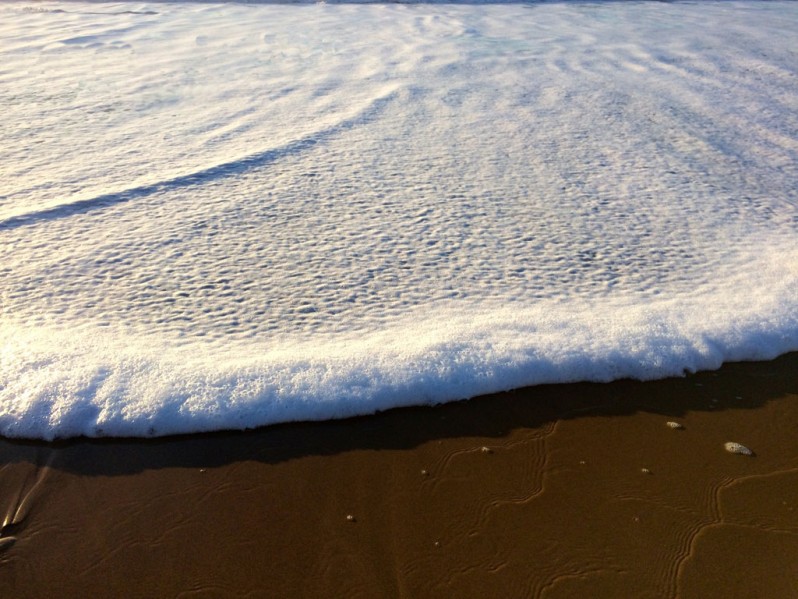
In Ibusuki, a beachside city on Kyushu Island in Japan’s subtropical south, it’s all about the sand. Not the dark color of the sandy granules or even the length or width of the beaches, but rather the intense infusion of minerals from volcanic hot springs along the coast.
Easter Island is critically vulnerable to rising ocean levels
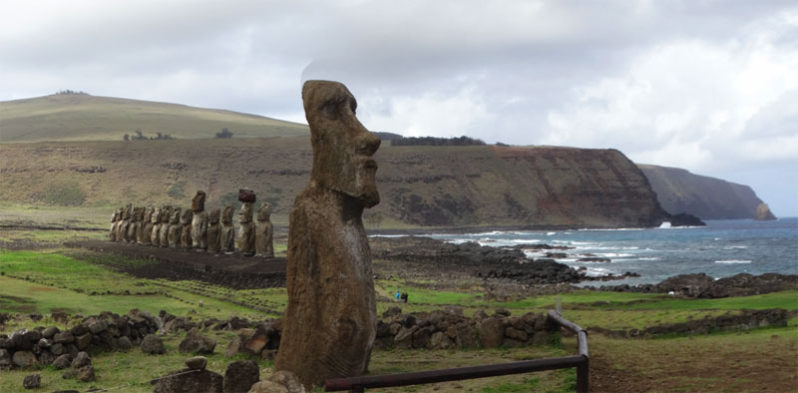
Nicholas Casey, a New York Times correspondent based in Colombia, and Josh Haner, a Times photographer, traveled 2,200 miles off the coast of Chile to see how the rising ocean is erasing the island’s monuments.
Isla Holbox, Mexico’s best barefoot beach
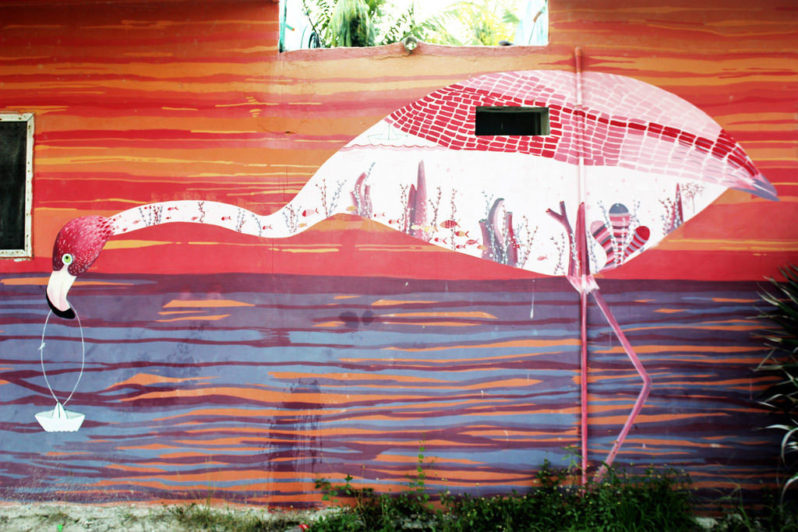
Isla Holbox is a small, slender island just north of Mexico’s Yucatan peninsula in the Gulf of Mexico. It’s a gorgeous destination, with clear green-blue waters in every direction, and aquatic-inspired art is everywhere.
Ailsa Craig
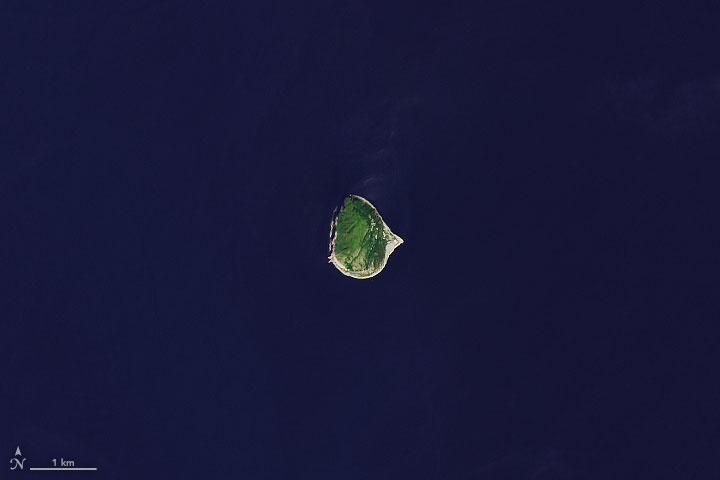
It has been a haven and sanctuary for pirates, smugglers, and religious dissenters. The Romans may have set up camp on this rock, and Catholic Spaniards and British and Scottish soldiers built a castle and other military garrisons on it. But these days, the tiny islet is known for two things: seabirds and curling stones.
Half a degree more global warming could flood out 5 million more people
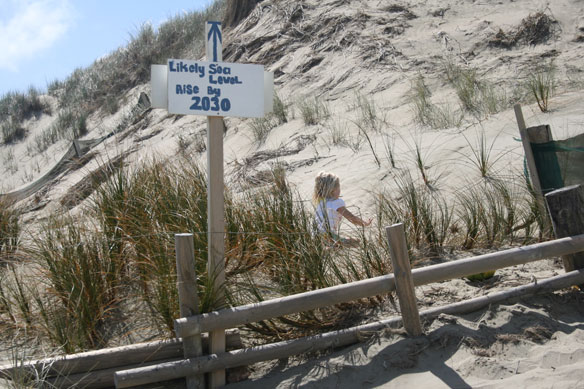
A new study finds that by 2150, the seemingly small difference between a global temperature increase of 1.5 and 2.0 degrees Celsius would mean the permanent inundation of lands currently home to about 5 million people, including 60,000 who live on small island nations.
Coral reef experiment shows: acidification from carbon dioxide slows growth
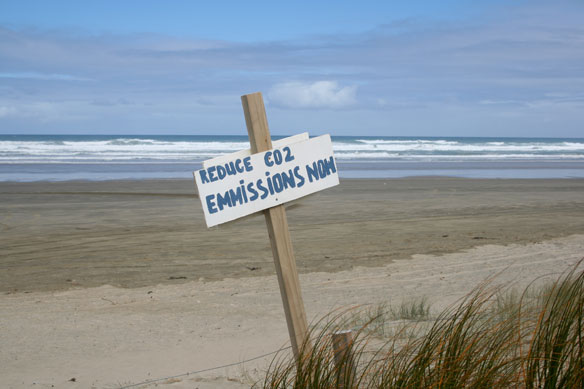
Ocean acidification will severely impair coral reef growth before the end of the century if carbon dioxide emissions continue unchecked, according to new research on Australia’s Great Barrier Reef led by Carnegie’s Ken Caldeira and the California Academy of Sciences’ Rebecca Albright.