
The World’s Dirtiest River is Getting Cleaned Up; A Video
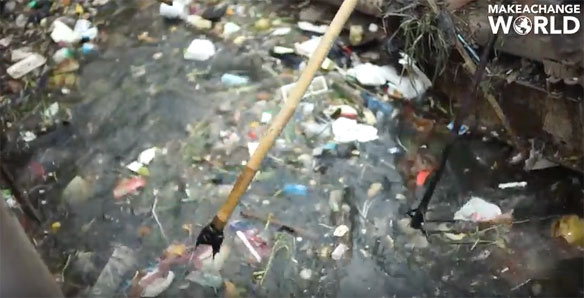
“The Citarum river, in 7 years, will be the cleanest river.” – Indonesian President Widodo…
This Could Be the ‘Beginning of the End’ for North Atlantic Right Whales
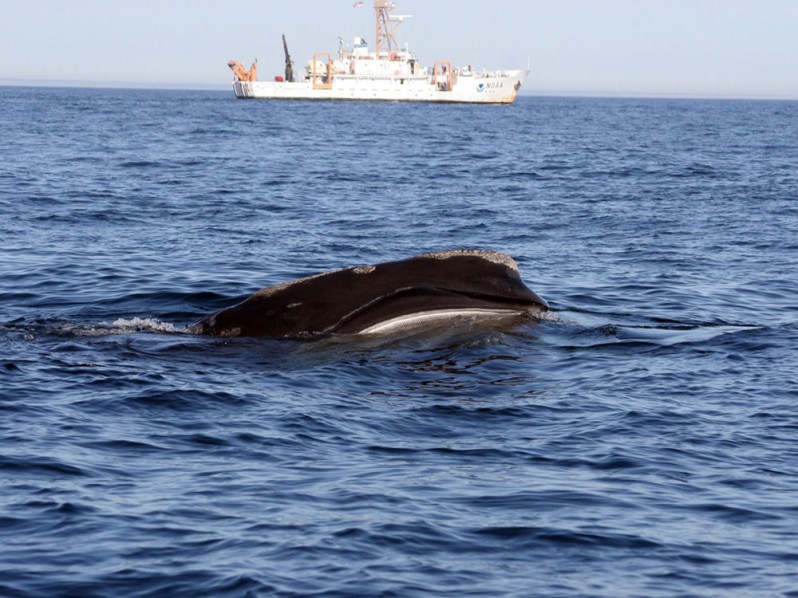
Researchers who have been observing migrating North Atlantic right whales, which are endangered, are troubled by what they found this season: no sign of any newborns.
South-east Asia closes island beaches to recover from climate change and tourism
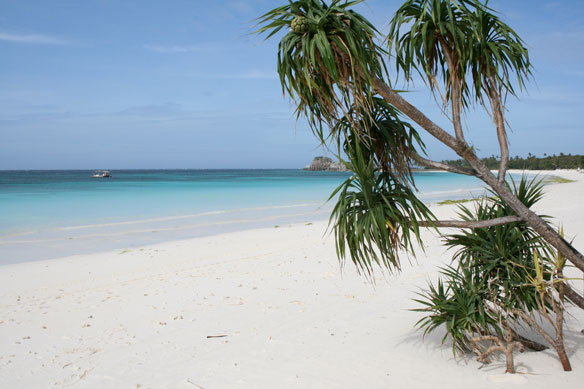
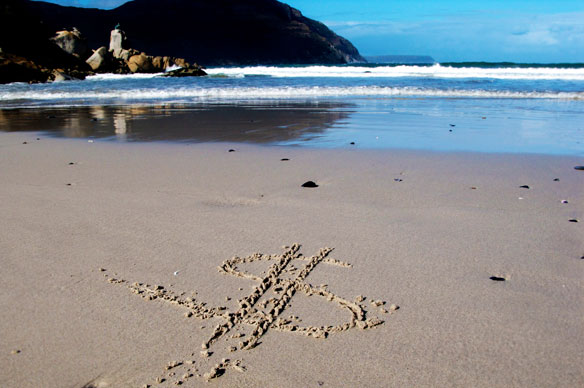
More popular South-east Asian islands will be off limits to visitors this year as officials seek to protect eco-systems crumbling from warming seas and unchecked sprawl, despite the risk to tourism revenues and tens of thousands of jobs.
Journalist investigating illegal sand mining cases run over by truck, MP, India
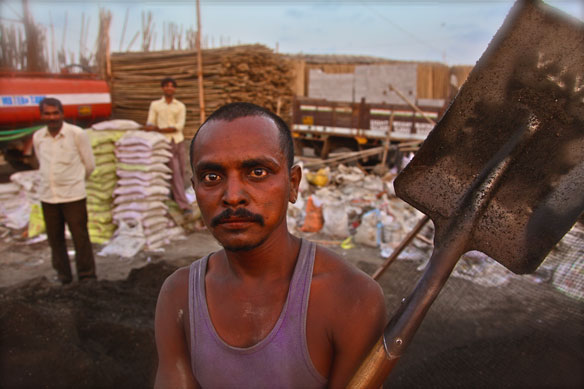
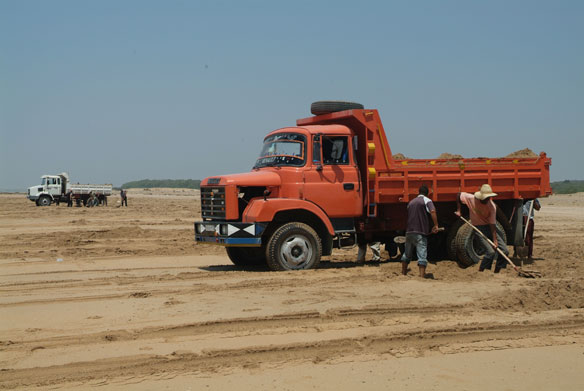
A journalist investigating illegal sand mining cases in Bhind district of Madhya Pradesh was run over by a truck on Monday, media reports said.
Dead zone in Gulf of Mexico will take decades to recover from farm pollution
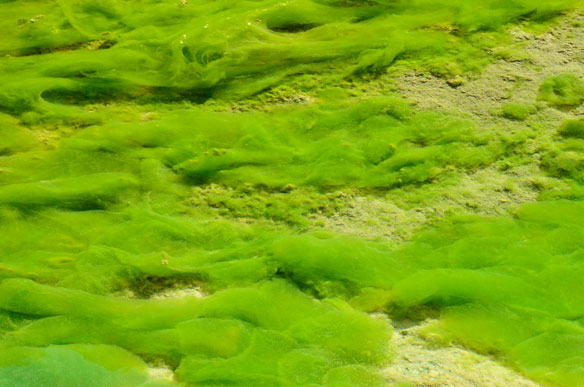
The enormous “dead zone” in the Gulf of Mexico will take decades to recover even if the flow of farming chemicals that is causing the damage is completely halted.
Sand Mining in Uganda Poses a Serious Threat to the Environment
Environmentalists in Uganda say an important wetland that runs along a highway linking the capital city of Kampala to the southwestern town of Masaka is being harmed by aggressive dredging to extract sand.
New material made from desert sand could offer low-carbon alternative to concrete
A team of scientists in the UK have developed a biodegradable construction material made from desert sand – a resource that has until now been useless for construction.
Rescuers scramble to help beached whales after mass stranding in Australia
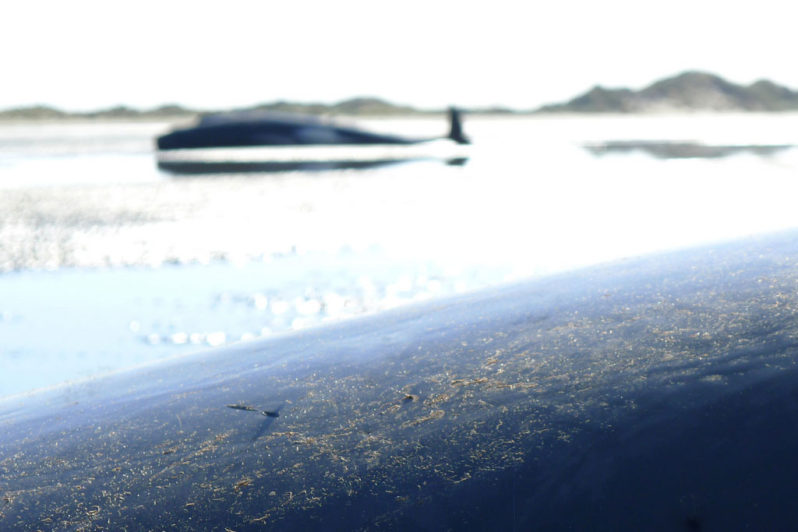
More than 140 short-finned pilot whales died after a mass stranding on a beach in Western Australia.
FEMA is buying homes in this Alaskan town because of climate change
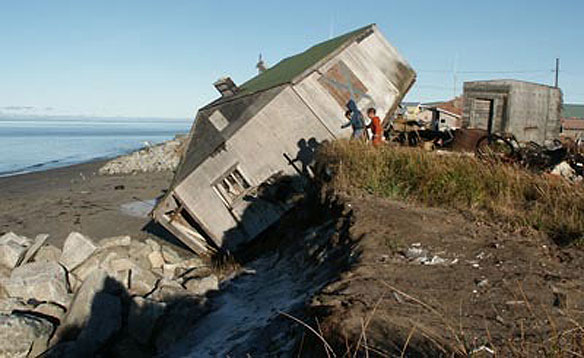
The village of Newtok, Alaska, is trying to escape catastrophic coastal erosion. Its residents have even been called America’s first climate refugees. But because traditional FEMA disaster funding doesn’t cover climate-related threats, they’ve struggled for years to find funding to relocate to a new location 9 miles away, called Mertarvik.