
Can the World Find Solutions to the Nitrogen Pollution Crisis?
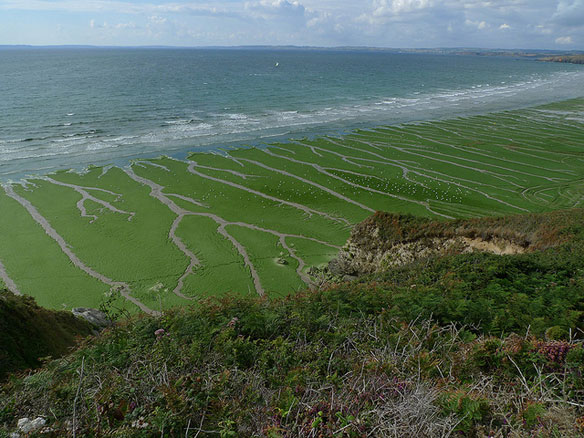
More and more nitrogen keeps pouring into waterways, unleashing algal blooms and creating dead zones. To prevent the problem from worsening, scientists warn, the world must drastically cut back on synthetic fertilizers and double the efficiency of the nitrogen used on farms.
Polar bears could become extinct faster than was feared, study says
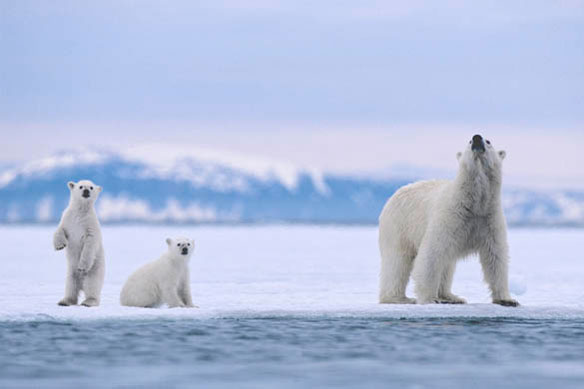
Polar bears could be sliding towards extinction faster than previously feared, with the animals facing an increasing struggle to find enough food to survive as climate change steadily transforms their environment.
Whale and shark species at increasing risk from microplastic pollution – study
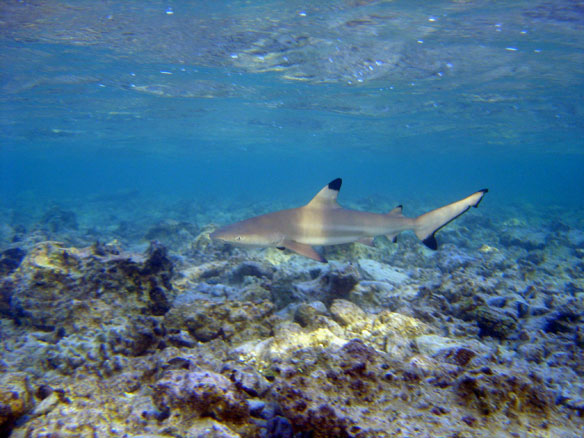
Whales, some sharks and other marine species such as rays are increasingly at risk from microplastics in the oceans, a new study published in the journal Trends in Ecology and Evolution, suggests.
10 threatened U.S. coastlines
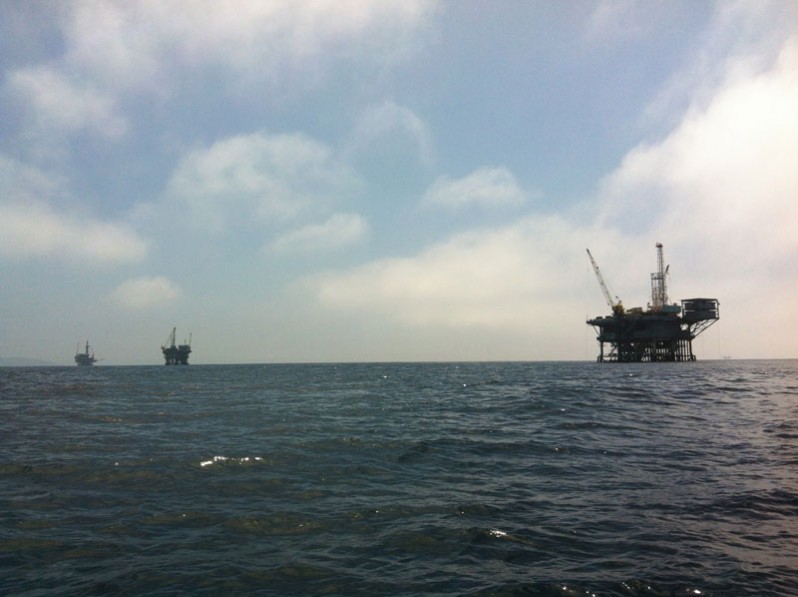
America’s 95,000 miles of coastlines are among the most scenic on the planet, from sandy white beaches to lush marshes to rocky cliffs. And yet, our coasts remain threatened. Coastal habitats can be destroyed by development, overfishing, pollution and even the dredging of sea canals.
Can Deepwater Aquaculture Avoid the Pitfalls of Coastal Fish Farms?

Near-shore fish farms have created a host of environmental problems. Now, U.S. aquaculture advocates – backed by mainstream conservation groups – are saying that locating well-run operations out in the ocean could produce sustainable food and protect wild stocks from overfishing.
Tendrils of Sediment in the Caspian Sea
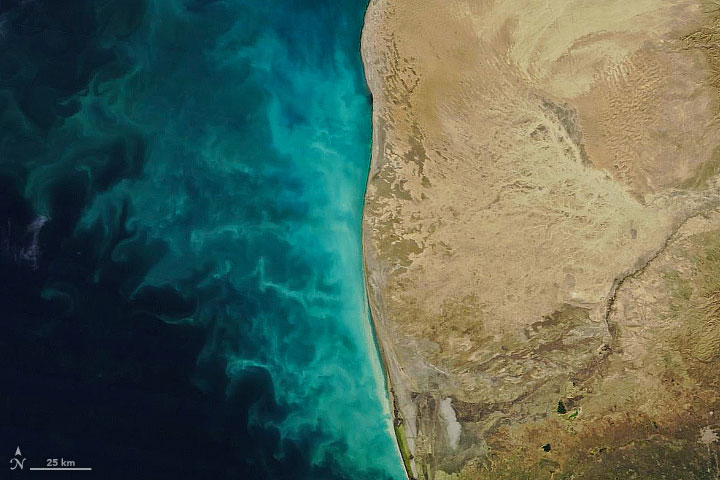
Along the Caspian Sea’s southeastern side, off the coast of Turkmenistan, one feature shows up year-round in almost every cloud-free satellite image. The Caspian is marked by colorful swirls of perpetually turbid seawater.
“We have one ocean,” Josh Stein says, threatening offshore drilling legal action
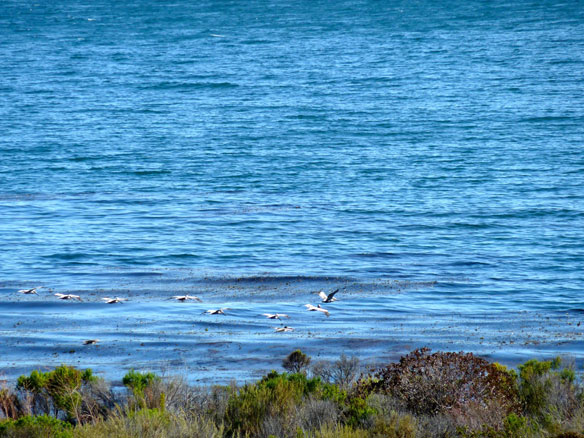
North Carolina Attorney General Josh Stein has assembled a coalition of attorneys general from 11 other coastal states calling for the U.S. Interior Department to cancel the Trump administration’s plan to expand offshore drilling.
Scientists Pinpoint How Ocean Acidification Weakens Coral Skeletons
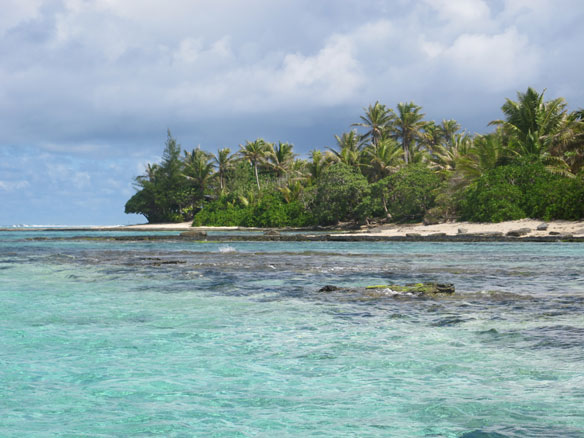
The rising acidity of the oceans threatens coral reefs by making it harder for corals to build their skeletons. A new study identifies the details of how ocean acidification affects coral skeletons, allowing scientists to predict more precisely where corals will be more vulnerable.
Create “Sponge Cities” to Tackle Worsening Floods
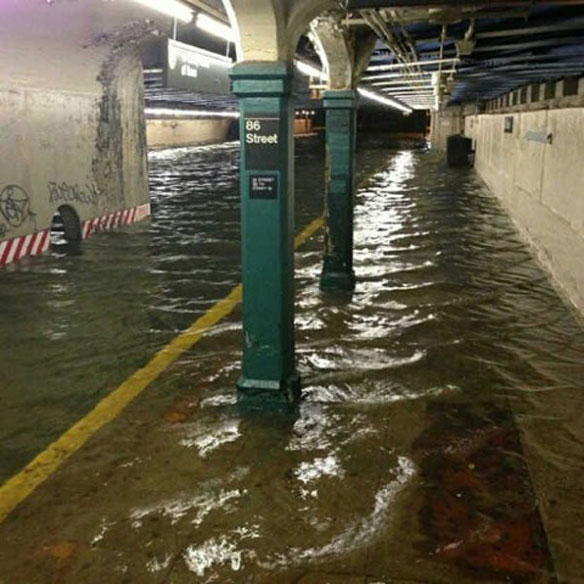
With floods now causing more damage more frequently around the world, it is time to counter their effects by turning our towns into “Sponge Cities”, a recent trend popularised by China to absorb rainwater through permeable roads and pavements, parks, rooftop gardens and other green spaces.