
An American beach story: when property rights clash with the rising sea
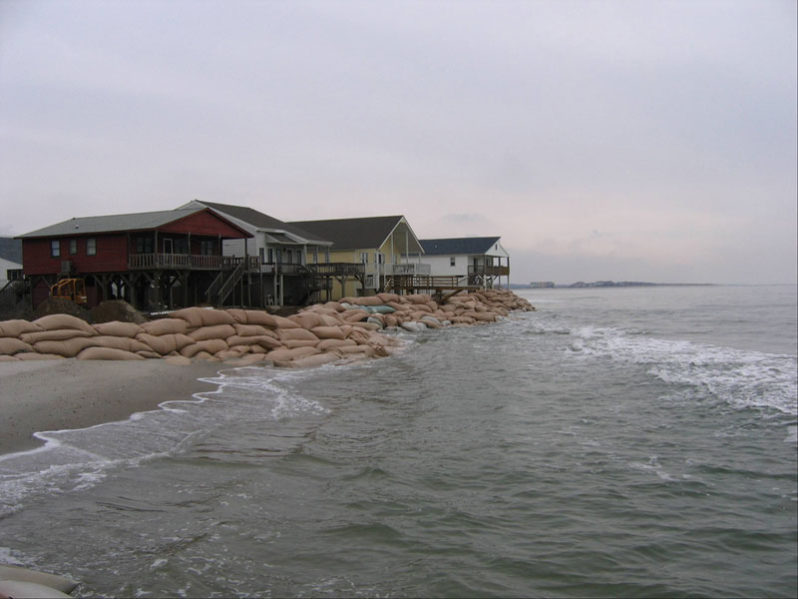
Rising sea levels driven by climate change are forcing communities like Humarock to confront a troubling future. The global water line has risen by about 8 inches on average since 1900, and it’s expected to rise about that much or more by 2050.
Sand in the gears of climate change
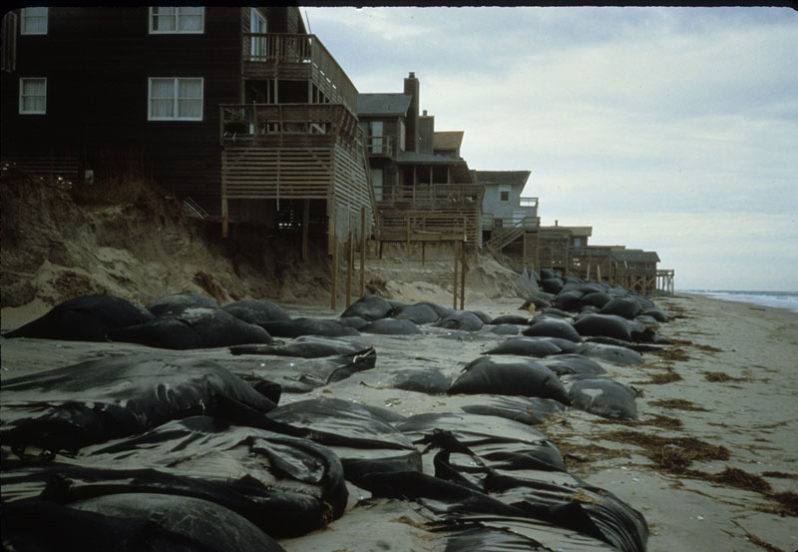
For decades it’s been well understood that soft-sand beaches move — and that hard structures like concrete sea walls and stone jetties can in fact accelerate erosion. With climate change — rising sea levels and more frequent violent storms — the inevitable beach erosion and migration has only increased.
The sands of time
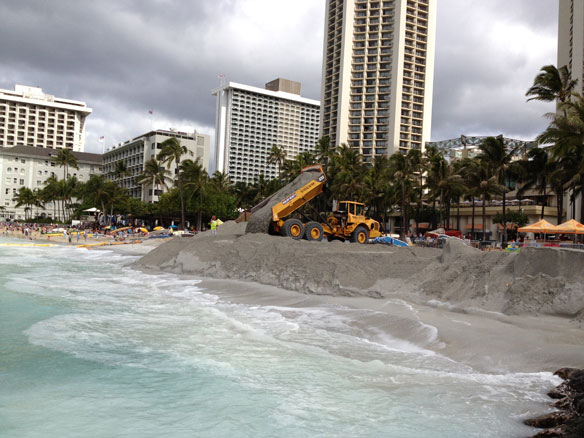
Human intervention to control beach depth is often futile. Repeated studies have found that sand pumped onto beaches in order to protect coastal property may be washed out by a storm or two. These beaches commonly lose all the new sand in five years or so.
Every grain of sand is a metropolis for bacteria
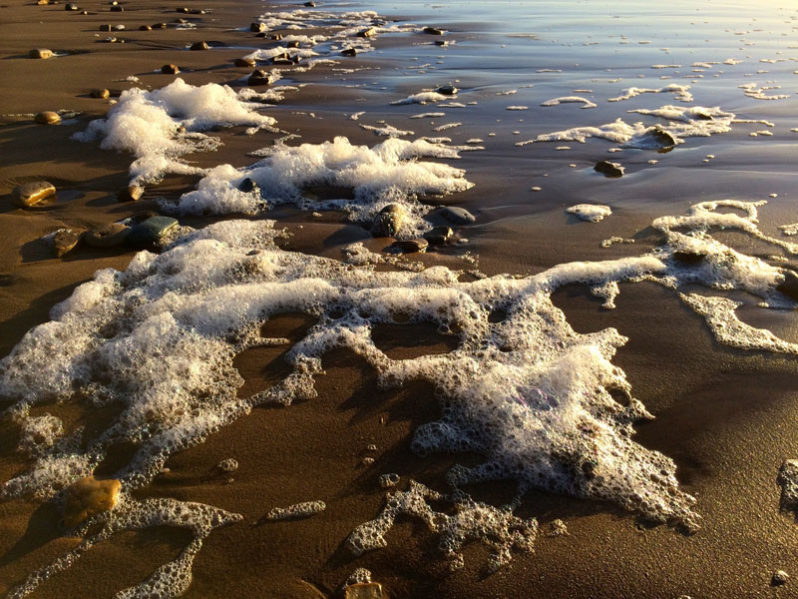
Between 10,000 and 100,000 microorganisms live on each single grain of sand, as revealed in a new study. Sand-dwelling bacteria play an important role in the marine ecosystem and global material cycles.
‘King tides’ are rising, so groups span globe to monitor it
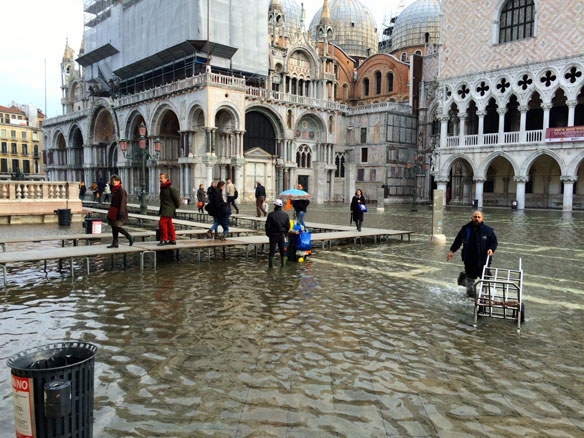
From coast to coast, hundreds of tide watchers come out with their cameras to record the latest ‘king tides,’ brief episodes of tidal flooding that could become the norm, with expected sea-level rise.
Can Data Save Dolphins? How Scientists Are Using NASA Data to Study Link Between Solar Storms and Animal Beachings
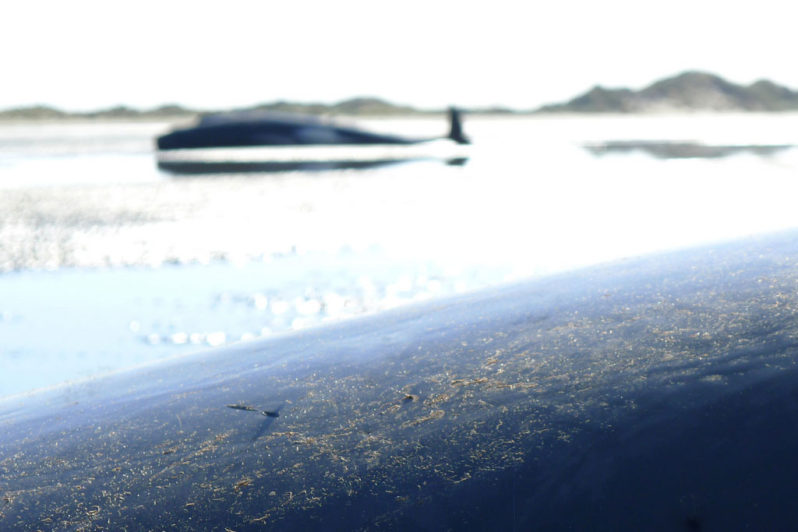
The age-old mystery of why otherwise healthy dolphins, whales and porpoises get stranded along coasts worldwide deepens: New research suggests space weather is not the primary cause of animal beachings — but the research continues. The collaboration is now seeking others to join their search for the factors that send ocean mammals off course, in the hopes of perhaps one day predicting strandings before they happen.
The Birth of a New Island; 2 videos by NASA Goddard Space Center
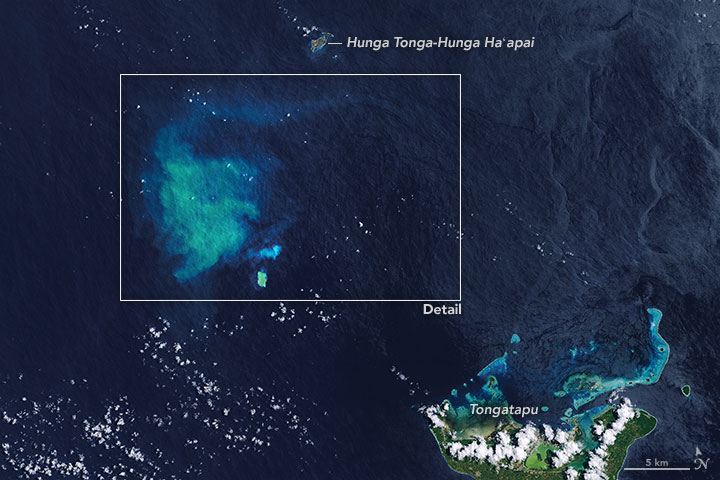
Hunga Tonga-Hunga Ha’apai is the first island of this type to erupt and persist in the modern satellite era. It was initially projected to last a few months. Now it has a 6- to 30-year lease on life and gives scientists an unprecedented view from space of its early life and evolution.
The World’s 50 Best Beaches
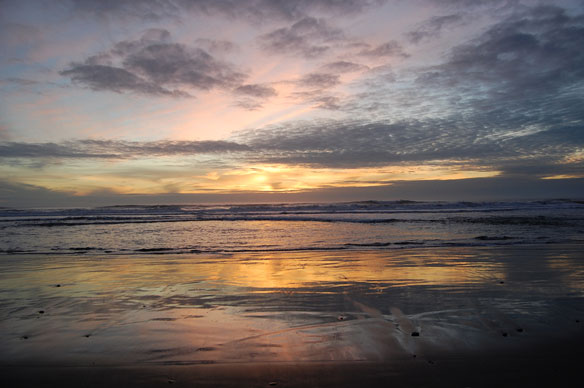
Beaches in Africa, Europe, Asia, North and South America (‘and everywhere in between’) have been ranked according to five criteria: sheer untouched beauty, remoteness, sand and water quality, annual days of sunshine, and average annual temperature.
Drowning in garbage
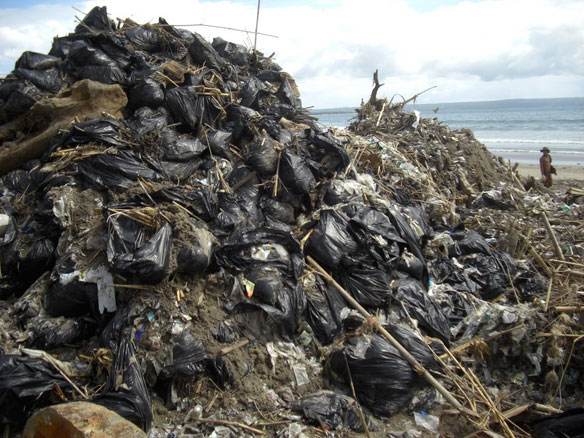
The world produces more than 3.5 million tons of garbage a day — and that figure is growing.