
Soul-crushing’ video of starving polar bear exposes climate crisis, experts say
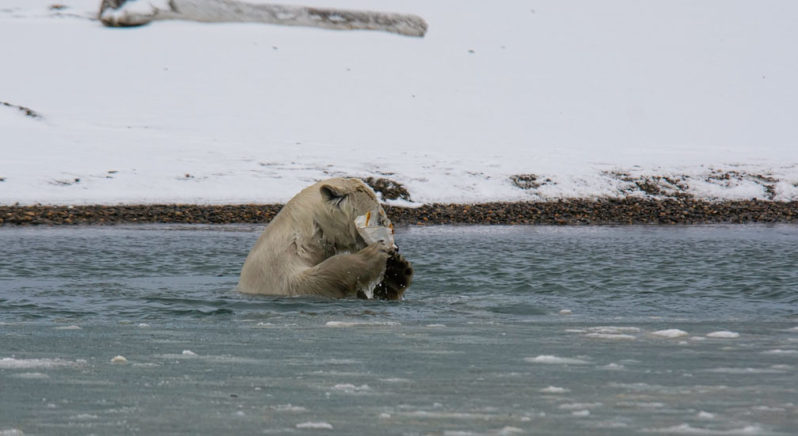
Video footage captured in Canada’s Arctic has offered a devastating look at the impact climate change is having on polar bears in the region…
Rising waters: can a massive barrier save Venice from drowning?
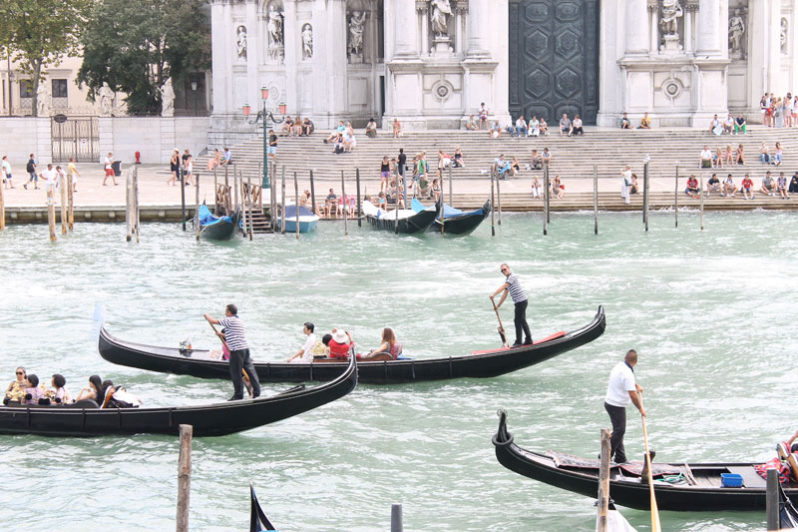
A retractable barrier designed to protect Venice from sea level rise and storm surges is set to be operational next year. But the project’s engineering limitations and cost overruns are raising questions about the mega-projects that many coastal cities are hoping can save them.
Quick sand, dirty Money; South Africa
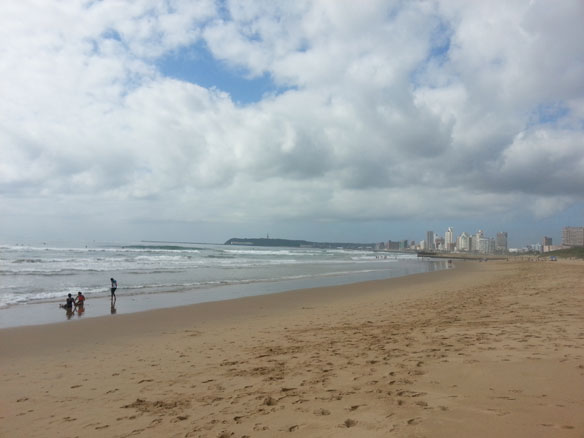
Mining has already cut coastal sand supply by as much as 70 percent in the municipality of Ethekwini, which includes Durban. Each year, miners dig up more than 400,000 cubic meters of sand from Durban’s rivers, enough to fill 160 Olympic swimming pools. This sand would normally be deposited on beaches and help offset coastal erosion. At current mining rates, Durban’s beaches are predicted to contract, on average, by more than a meter each year.
U.N. environment chief warns “we’re facing an ocean Armageddon”
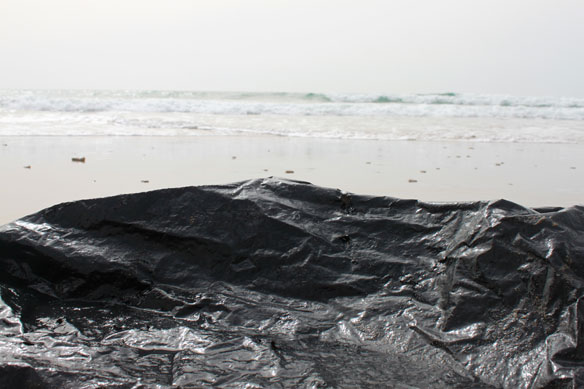
U.N. Environment Executive Director and Under-Secretary-General of the United Nations, Erik Solheim, said that he is hoping that the Nairobi summit will be a turning point, “We’re facing an ocean Armageddon: Every year, we’re dumping at least 8 million tons of plastics into our oceans.”
Bottles Become Sand at Globally Recognized Ranch at Laguna Beach
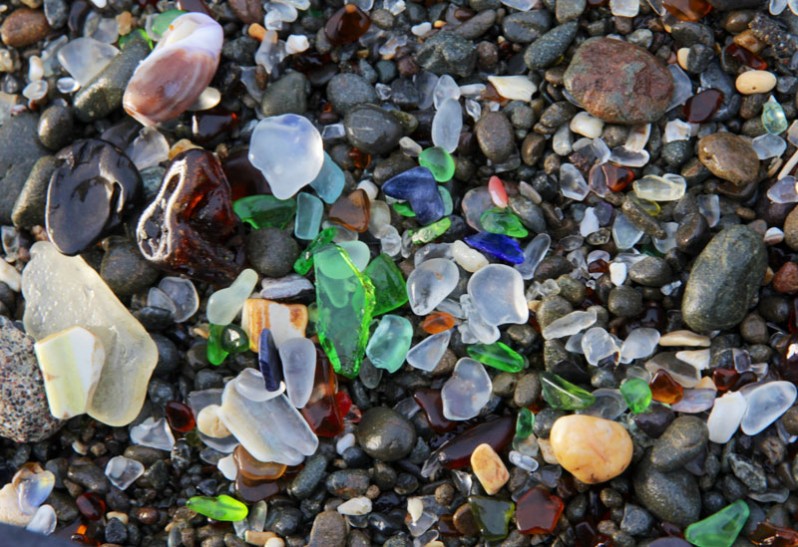
According to General Manager Kurt Bjorkman, the resort is the first property in the continental United States to use a GL Sand Machine that turns beer and wine bottles into sand that can be used to replenish the sand in bunkers on the resort’s golf course or the sand at the nearby beach.
Rapid, large-scale, coordinated action needed to beat pollution – UN chief

Noting the severity of the threats posed by pollution to both people and the planet, United Nations Secretary-General António Guterres highlighted the need for rapid, large-scale and coordinated action by all actors to make the world pollution-free.
Q&A: “What Price Do We Put on Our Oceans?”
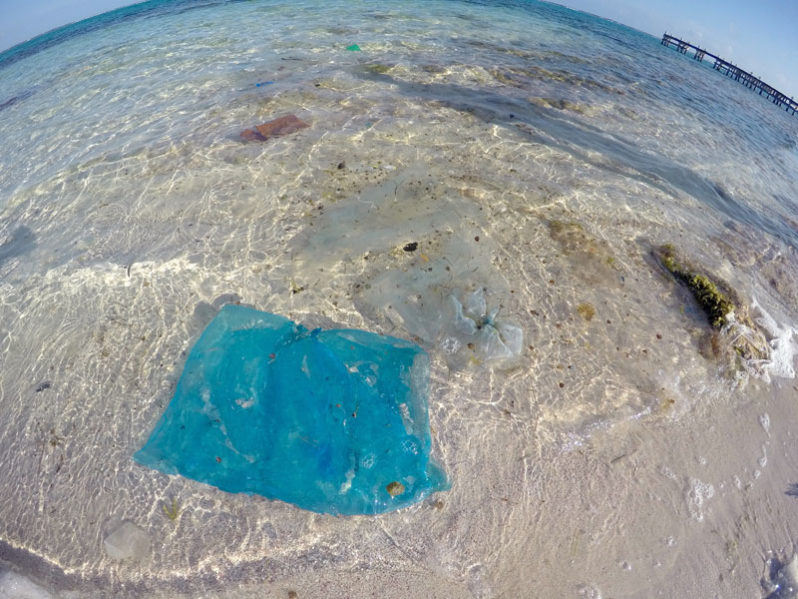
An interview with the Executive Director of United Nations Environment ERIK SOLHEIM ahead of the Dec. 4-6 3rd UN Environment Assembly in Nairobi, where 193 member states will discuss and make global commitments to environmental protection.
Monitoring Mumbai’s Mangroves
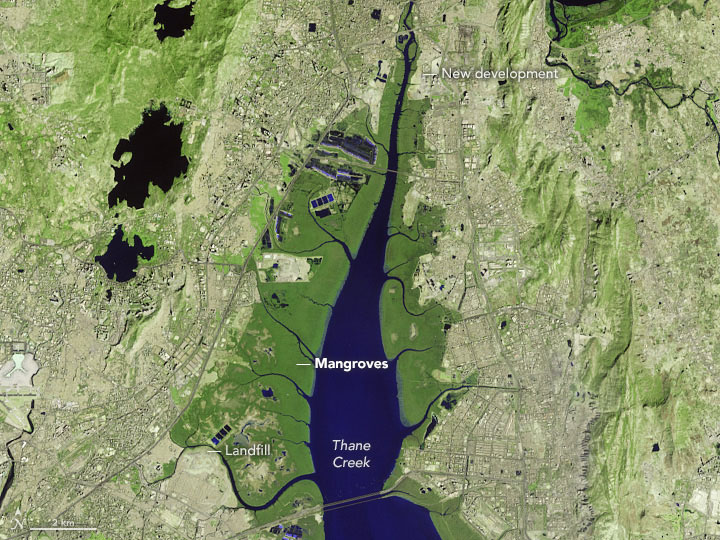
In this booming city, India’s largest, mangrove forests have historically been overlooked. Large tracts of them were removed as part of land reclamation projects, and many of the mangroves that remain have become dumping grounds for garbage and targets for developers and squatters.
Buried in marshes’: sea-level rise could destroy historic sites on US east coast
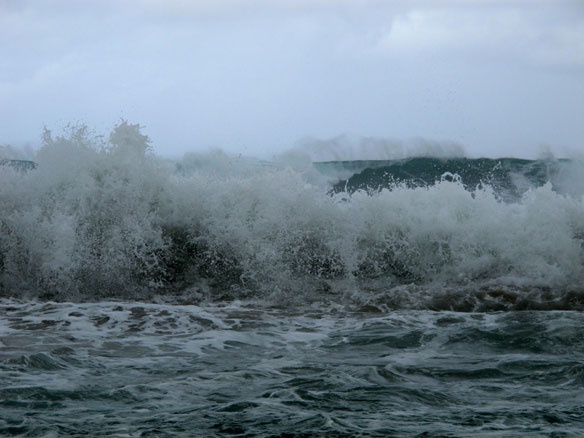
Large tracts of America’s east coast heritage are at risk from being wiped out by sea level rise, with the rising oceans set to threaten more than 13,000 archaeological and historic sites, according to new research.