
Why this hurricane season has been so catastrophic
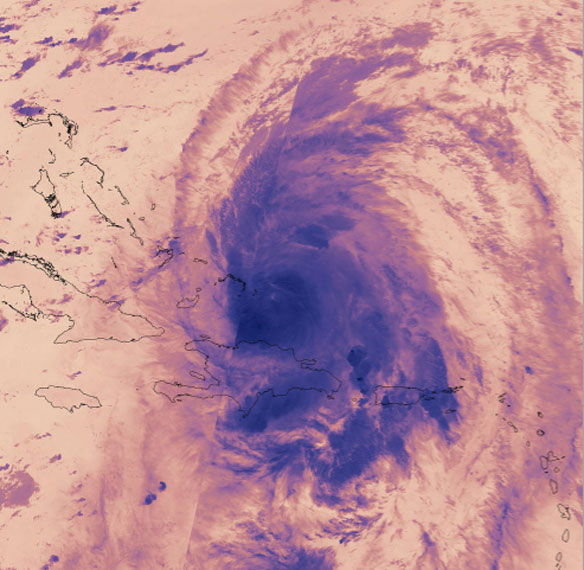
After Harvey, Irma, and Maria, a look at why this hurricane season has been so active.
What happens to marine wildlife during hurricanes?
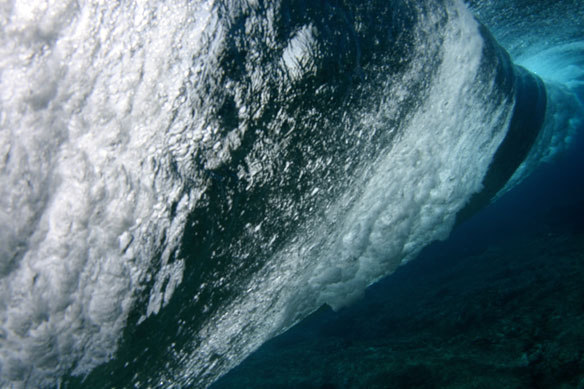
Hurricanes are incredibly powerful storms that wreak havoc on marine and coastal ecosystems as they work their way from deeper water toward land. The force of the storm churns up water, mixing warmer water at the surface with cooler water from farther down the water column. In all this churning, what happens to the wildlife living in the storm-tossed waters?
Mathematics predicts a sixth mass extinction
MIT scientists have analyzed significant changes in the carbon cycle over the last 540 million years, including the five mass extinction events. They have identified ‘thresholds of catastrophe’ in the carbon cycle that, if exceeded, would lead to an unstable environment, and ultimately, mass extinction.
How Hurricane Irma blew away the beach in Miami Beach
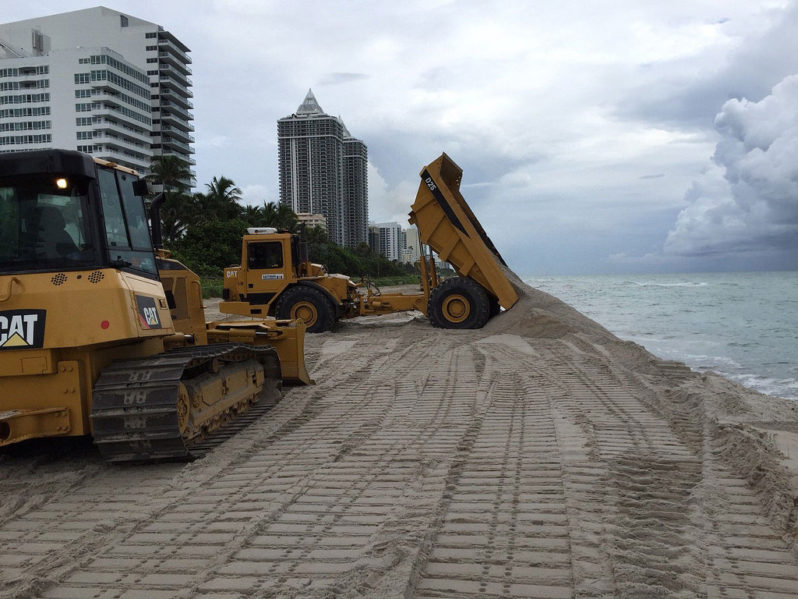
Hurricane Irma smacked Miami Beach’s shoreline with enough wind and rain to reshape some of the water’s edge, including washing away chunks of sand from a recently completed $11.5 million beach widening project.
Gulf Spill oil dispersants associated with health symptoms in cleanup workers, study
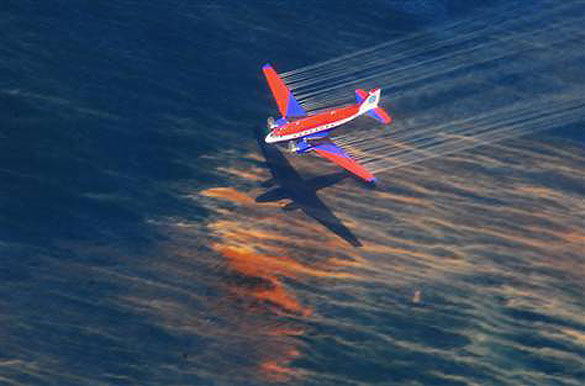
The study appeared online Sept. 15 in Environmental Health Perspectives and is the first research to examine dispersant-related health symptoms in humans.
Despite Rising Seas and Bigger Storms, Florida’s Land Rush Endures
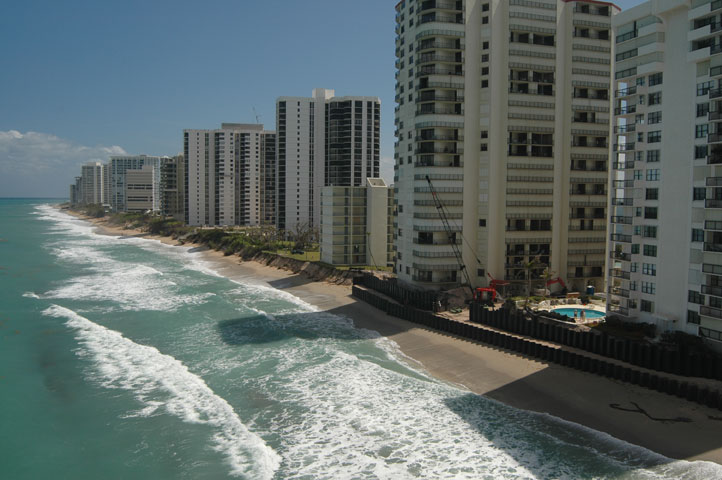
Florida was built on the seductive delusion that a swamp is a fine place for paradise.
Six square kilometers of Istanbul’s land reclaimed from the sea
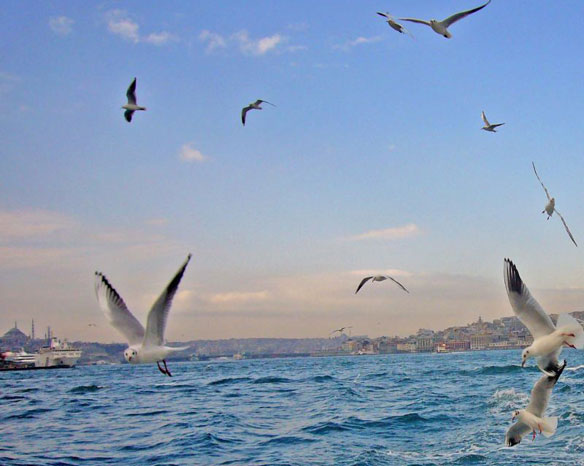
Six square kilometers of land have been gained from Istanbul coasts and opened for urban use by filling up the sea. With the acceleration of such infrastructure work at the start of the millennium, professionals are warning about risks.
NASA/UCI Find Evidence of Sea Level ‘Fingerprints’
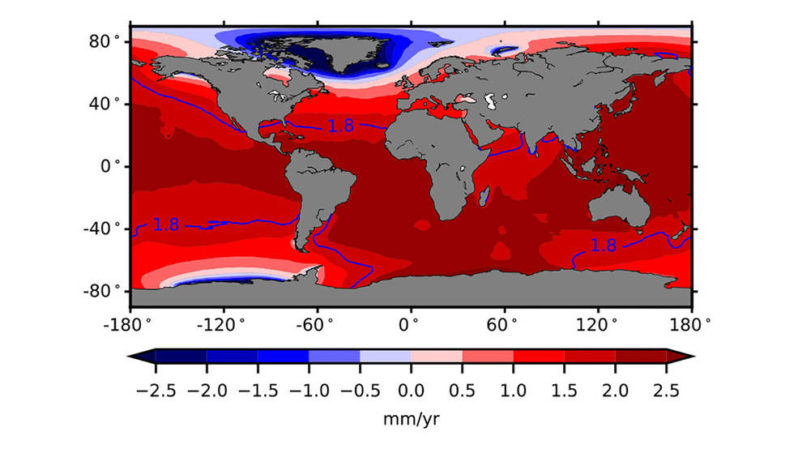
Researchers have reported the first detection of sea level “fingerprints” in ocean observations: detectable patterns of sea level variability around the world resulting from changes in water storage on Earth’s continents and in the mass of ice sheets. Scientists had a solid understanding of the physics of sea level fingerprints, but have never had a direct detection of the phenomenon until now.
Taking the Long View: The ‘Forever Legacy’ of Climate Change
Climate change projections often focus on 2100. But the geological record shows that unless we rapidly reduce greenhouse gas emissions, we will be locking in drastic increases in temperatures and sea levels that will alter the earth not just for centuries, but for millennia.