
Scientists find new source of radioactivity from Fukushima disaster: in sand and groundwater

Scientists have found a previously unsuspected place where radioactive material from the Fukushima Dai-ichi nuclear power plant disaster has accumulated—in sands and brackish groundwater beneath beaches up to 60 miles away. The sands took up and retained radioactive cesium originating from the disaster in 2011 and have been slowly releasing it back to the ocean.
An Unlikely Corner of New York
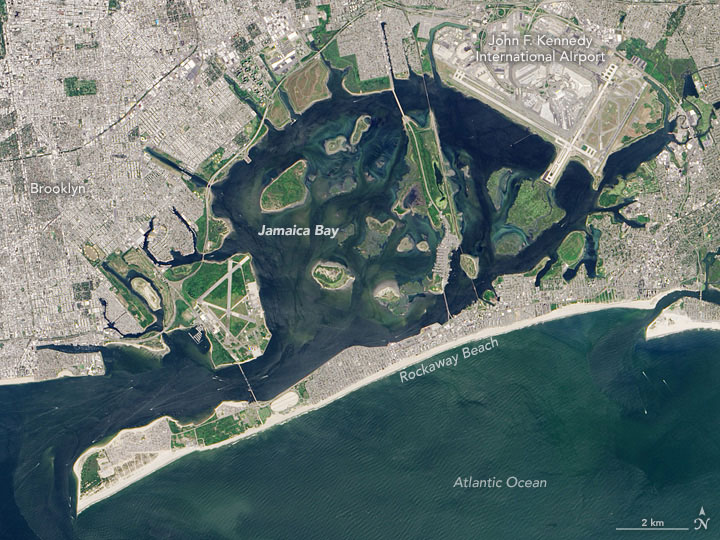
Nestled under the crook of Brooklyn, Jamaica Bay is a place as different from New York City as you can find.
Walker doubles down on opposing Pebble Mine, Alaska
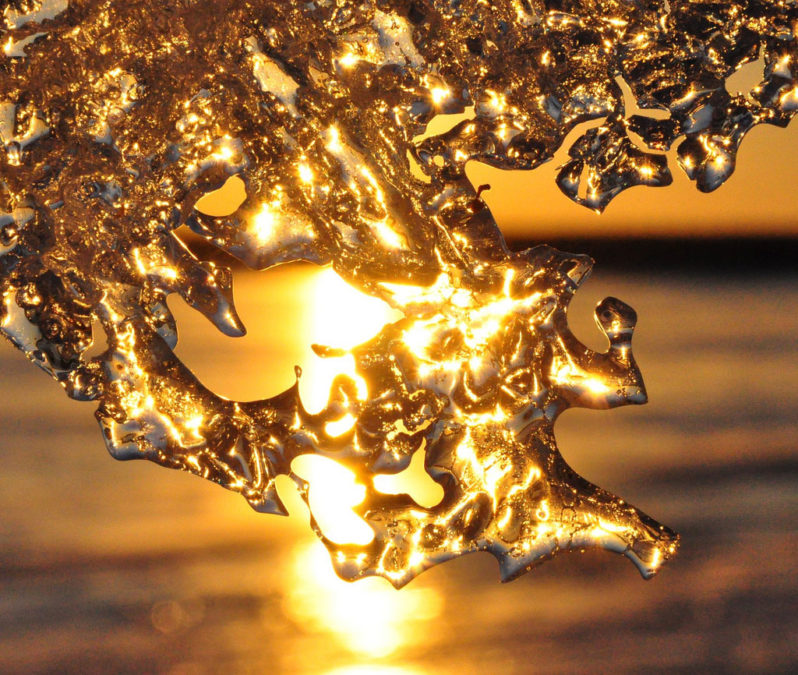
Governor Bill Walker is against the controversial mine and said the mine’s developers have not yet proven to him that the project can be done without harming the Bristol Bay region’s salmon fishery.
The world hungers for sand

The ravenous hunger for sand worldwide was spotlighted in the 2013 documentary “Sand Wars” by French filmmaker Denis Delestrac, which warned that illegal sand mining could make beaches a thing of the past by the end of the 21st century.
Ecological roulette”: Sea creatures hitchhike across Pacific on tsunami debris
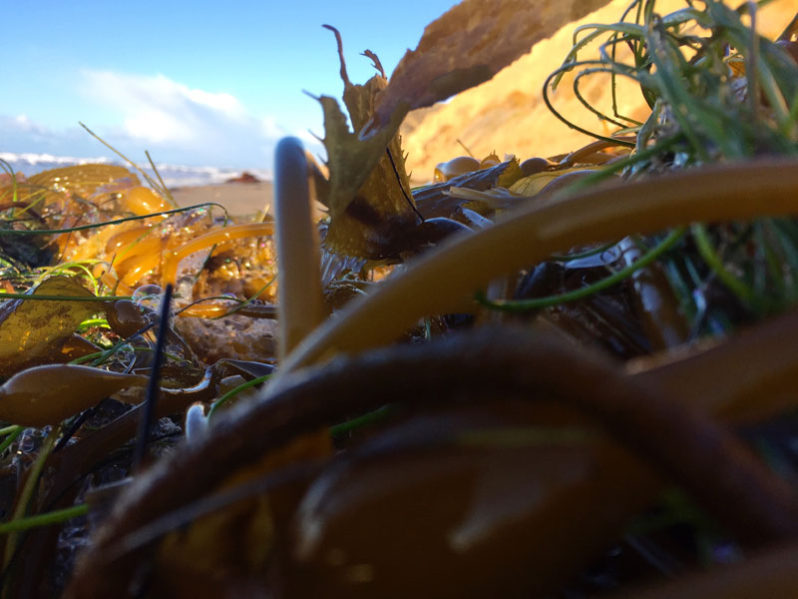
Nearly 300 species of fish, mussels and other sea critters hitchhiked across the Pacific Ocean on debris from the 2011 Japanese tsunami, washing ashore alive in the United States. It is the largest and longest marine migration ever documented.
Did rapid sea-level rise drown fossil coral reefs around Hawaii?
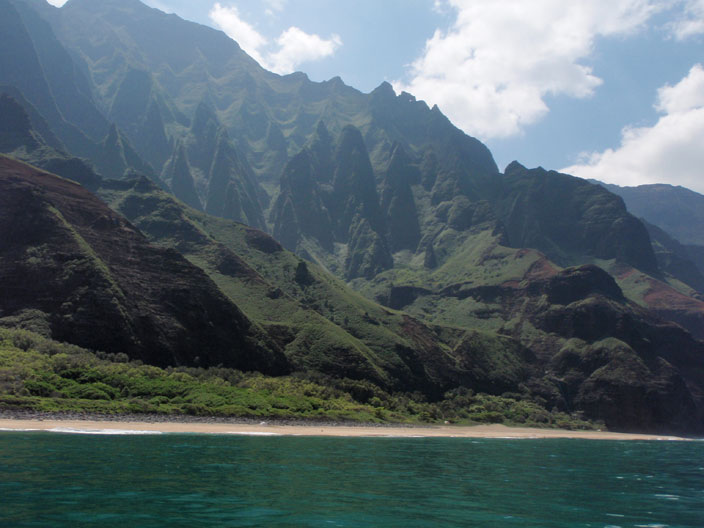
Investigations to predict changes in sea levels and their impacts on coastal systems are a step closer, as a result of a new international collaboration.
Warm waters tripled the amount of ice lost in these Antarctic glaciers — and that’s bad for sea level rise
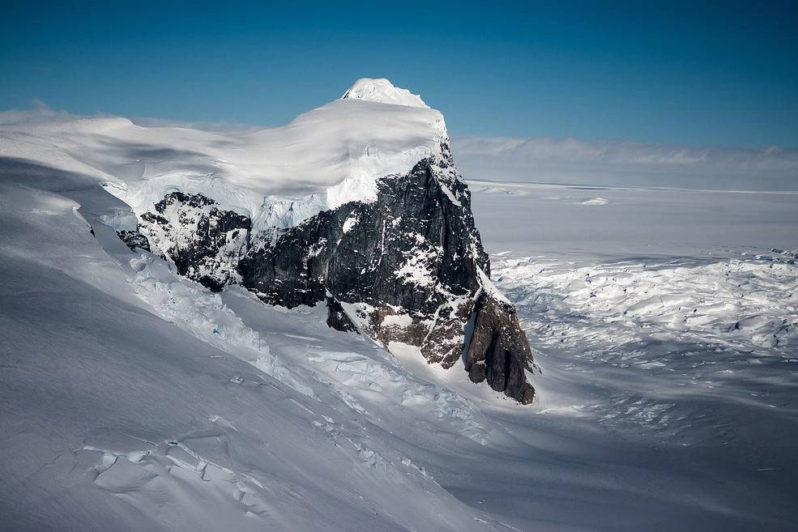
Another glacier in Western Antarctica has been cracking from the inside out, producing another massive iceberg — four and a half times the size of Manhattan — this week.
Brain damage in fish from plastic nanoparticles in water
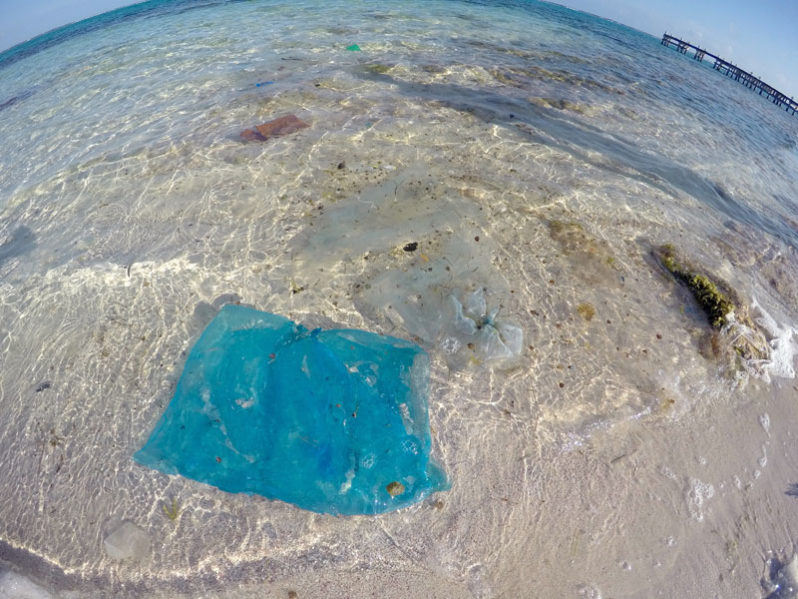
A new study shows that plastic particles in water may end up inside fish brains. The plastic can cause brain damage, which is the likely cause of behavioral disorders observed in the fish.
Florida without its beaches: Seawall dooms state oceanfronts, By Robert Young
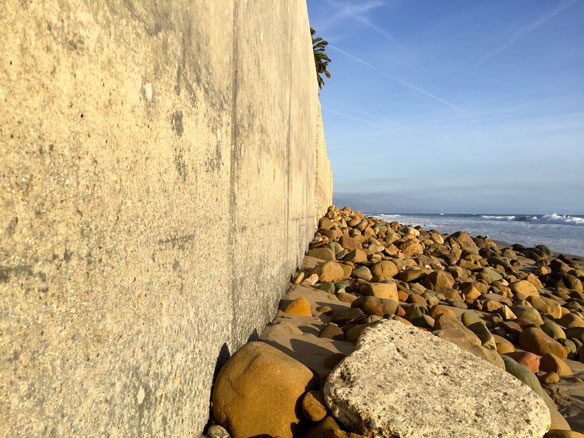
The Florida Department of Environmental Protection issued an emergency authorization last week that will allow individual property owners in a portion of St. Johns County to build new seawalls without the typical engineering and scientific analysis. This is a terrible mistake for the communities impacted. It is poor coastal management.