
Carpet shell clams reveal high levels of pollution in several coastal lagoons in Tunisia

Transitional waters, those situated between land and the sea, such as lagoons and estuaries, are more exposed to human activity and these waters are slowly refreshed, meaning that their ecosystems are more vulnerable to pollution. Also, there is evidence for the relationship between a rise in temperature and a greater level of pollution
Coal-burning in Siberia led to climate change 250 million years ago

A team of researchers has provided the first ever direct evidence that extensive coal burning in Siberia is a cause of the Permo-Triassic Extinction, the Earth’s most severe extinction event.
Liberia: residents decry illicit sand mining in Schiefflin township
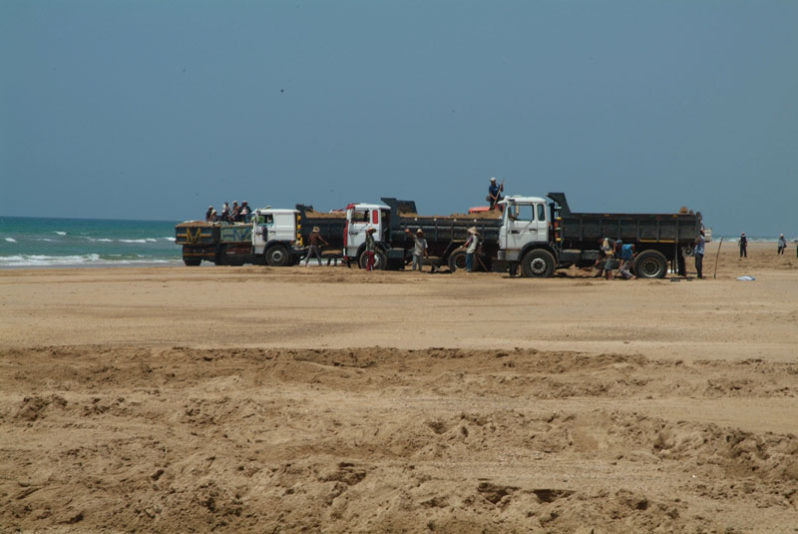
Residents are pleading with the government to come to their aid as illegal miners continue to mine sand and causing grave environmental hazard to the community. They say that there is continuous 24-hour, 7-day beach mining taking place.
Could we run out of sand? Scientists adjust how grains are measured
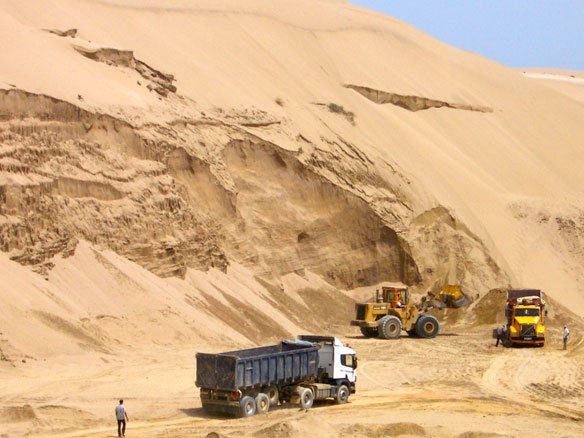
We are astounded to discover there are more stars in the universe than grains of sand on our beaches.
Climate change batters this Arctic island—can the community cope?
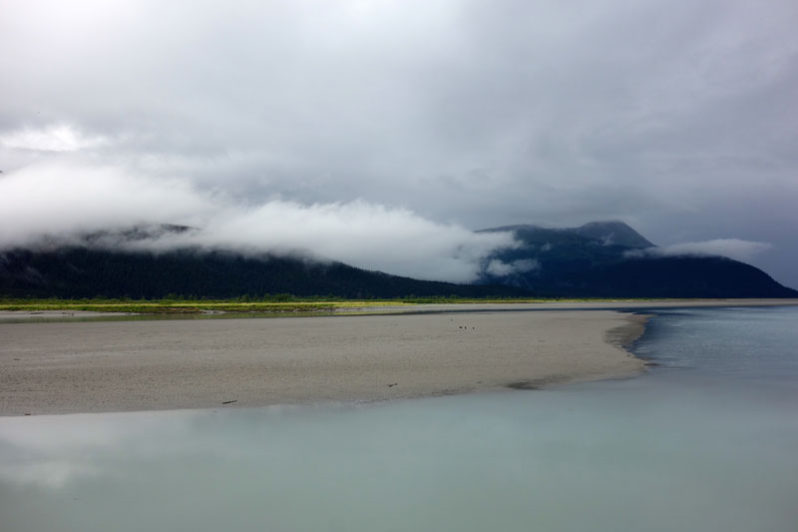
From vanishing ice to shifting walruses, Native Alaskans living on Little Diomede have watched their home transform with disturbing speed.
More than 1000 tons of plastic rains into Western US protected lands annually
Watershed researchers estimate more than 1000 tons of microplastics (equal to more than 123 million plastic water bottles) are deposited in national parks and wilderness areas each year.
Building Back Better: Why Europe Must Lead a Global Green Recovery
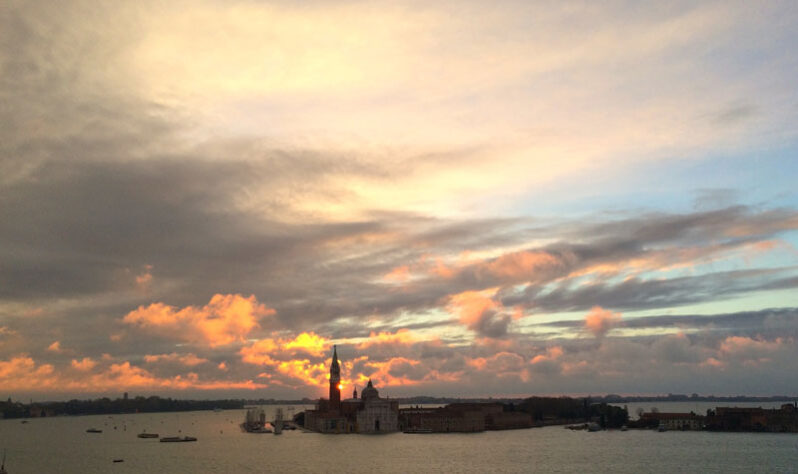
With the global economy reeling from the pandemic, most nations are focusing stimulus programs on reviving employment. But Europe is moving forward with a Green Deal initiative that provides a framework for decarbonizing its economy and spurring the rest of the world to follow.
Voices for the Ocean, Video

We protect what we love. We can all speak out for change—and for some of us, the ocean is where we find our voice.
North Korea might be making millions — and breaking sanctions — selling sand. Yes, sand.
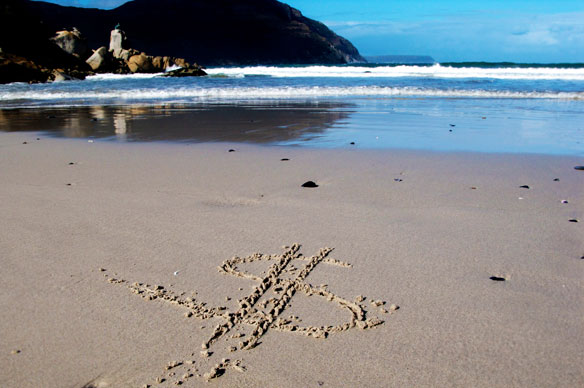
North Korea is barred from exporting earth and stone under United Nations sanctions passed in December 2017. Trading North Korean sand is a violation of international law. Despite those measures, North Korea raked in at least $22 million last year using “a substantial sand-export operation,” UN investigators said in a report released in April.