
Why so hot so early in the summer?

Alarmingly, though, the summer solstice this year saw one rather unexpected region hit an all-time high: Verkhoyansk, Russia—north of the Arctic Circle—recorded a temperature of 100.4°F, the hottest it’s been there since 1885.
Historic Michigan tribal burial ground threatened by coastal erosion
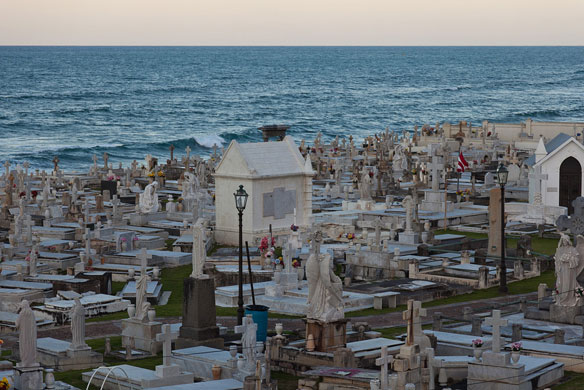
In June of 1662, hundreds of Native Americans from the Iroquois nation were killed on the shore of Lake Superior by local Chippewa defending their land. Now, 357 years later, the burial site of local natives killed in that battle is being threatened by an eroding shoreline fueled by the rising water levels of Lake Superior.
Research in land plants shows nanoplastics accumulating in tissues
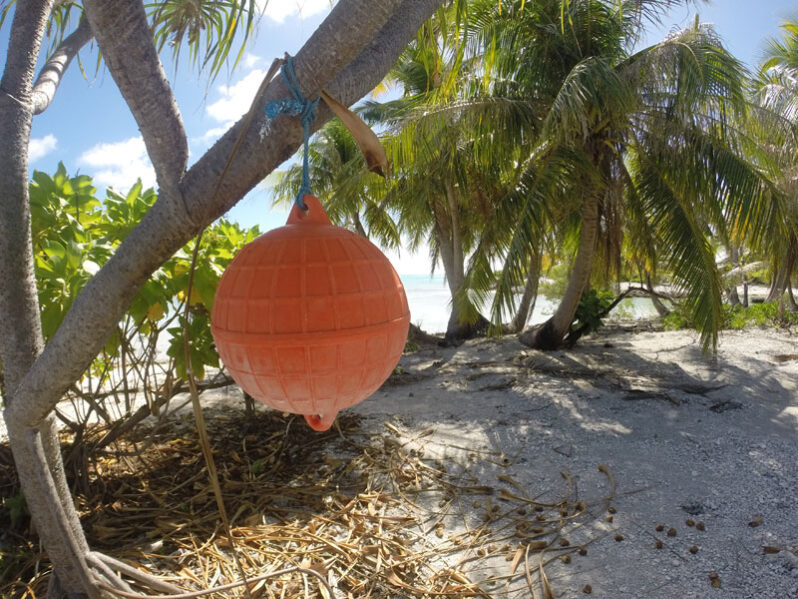
The latest findings provide direct evidence that nanoplastics can accumulate in plants. Plant accumulation of nanoplastics can have both direct ecological effects and implications for agricultural sustainability and food safety.
Overconsumption and growth economy key drivers of environmental crises
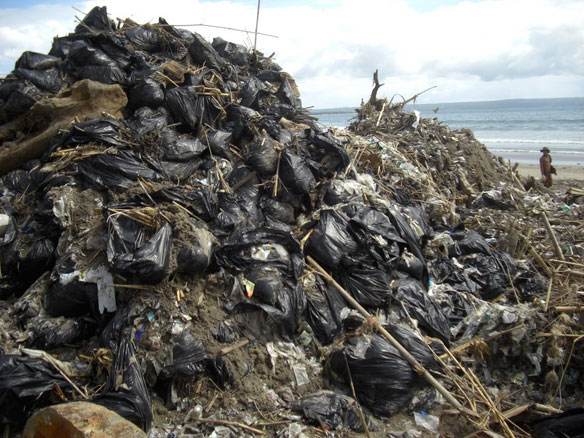
Researchers, led by a UNSW sustainability scientist, have reviewed existing academic discussions on the link between wealth, economy and associated impacts, reaching a clear conclusion: technology will only get us so far when working towards sustainability—we need far-reaching lifestyle changes and different economic paradigms.
Smooth handfish extinction marks a sad milestone
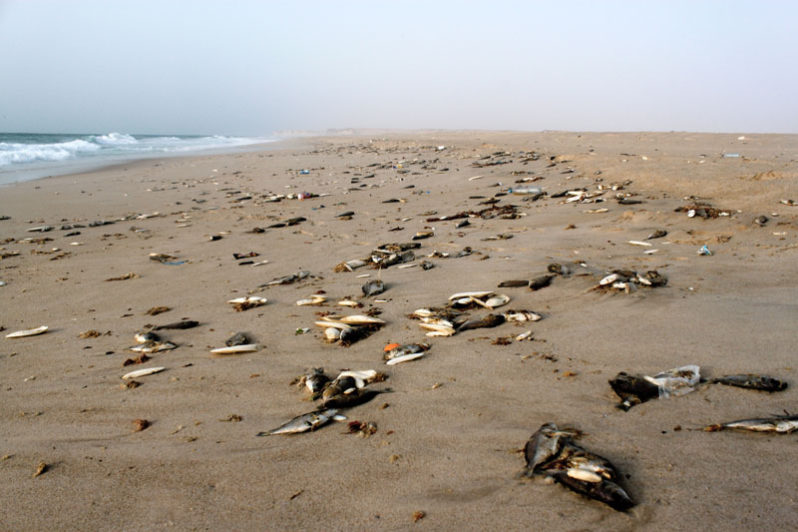
For the first time the IUCN Red List has officially declared a marine fish alive in modern times to be extinct.
How global regulators are selling out the world’s largest tuna
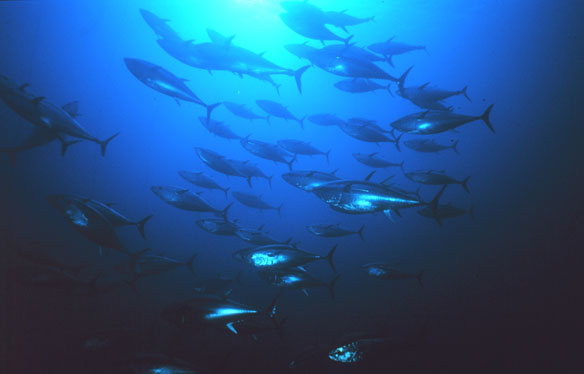
Detachment from life at sea is ingrained and widespread. To consent to the treatment of fish as nothing more than commodities is a stark example of speciesism, which assumes that humans — and especially the most privileged among us — are the center of the universe.
‘Sea Nomads’ Are First Known Humans Genetically Adapted to Diving
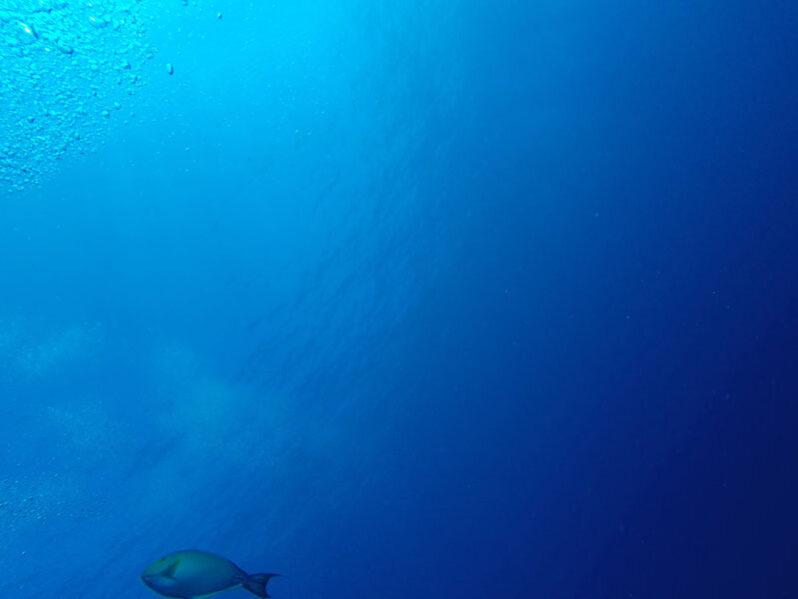
The Bajau people of Southeast Asia are among the most accomplished divers in the world. A study in the journal Cell offers the first clues that a DNA mutation for larger spleens gives the Bajau a genetic advantage for life in the deep.
Sea level rise will see 40pc of Australia’s beaches lost, predicts new study

Beaches are a part of Australian life, and new research says that we’re going to lose about 40 per cent of Australia’s beaches over the next 80 years.
The many lifetimes of plastics
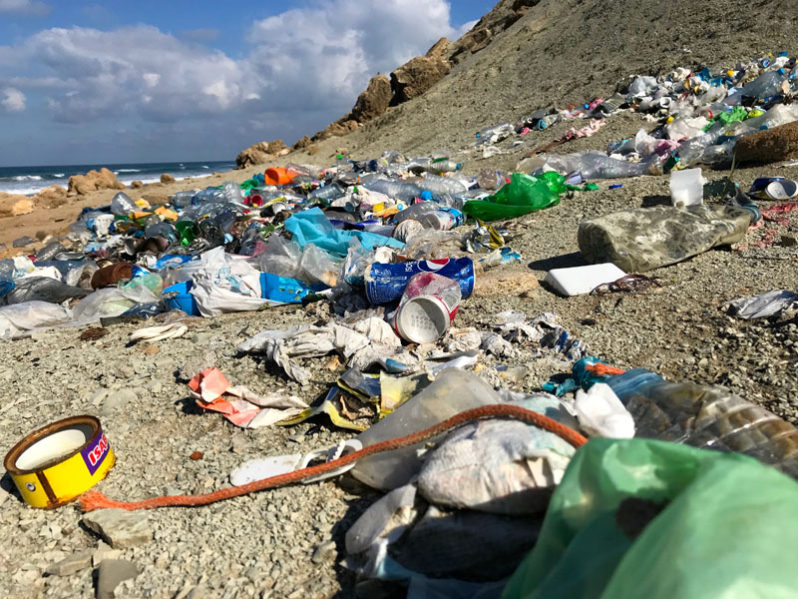
Infographics strive to give us a sense of how long plastic goods will last in the environment. But is this information reliable?