
Plastic Free July – 2020

Plastic Free July is a global movement that helps millions of people be part of the solution to plastic pollution – so we can have cleaner streets, oceans, and beautiful communities. Will you be part of Plastic Free July by choosing to refuse single-use plastics?
Millions of Americans think they’re safe from flood waters. They aren’t.
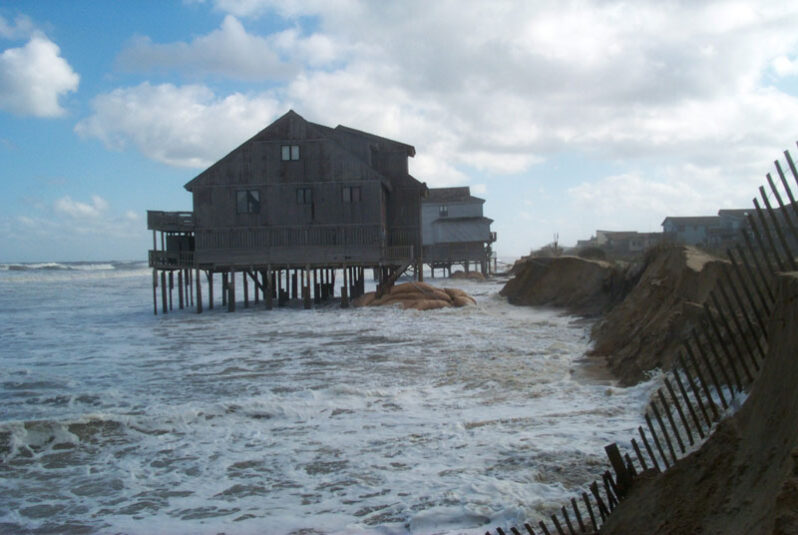
A row of cottages once stood where these two remaining buildings were located. Their removal is in the pattern of a disorganized and costly retreat forced by the sea, instead of a reasoned, orderly moving back in response to the sea-level rise. Severe coastal erosion, North Carolina. Photo courtesy of: © Andy Coburn Excerpts; A […]
Plastic bag bans are spreading. But are they truly effective?
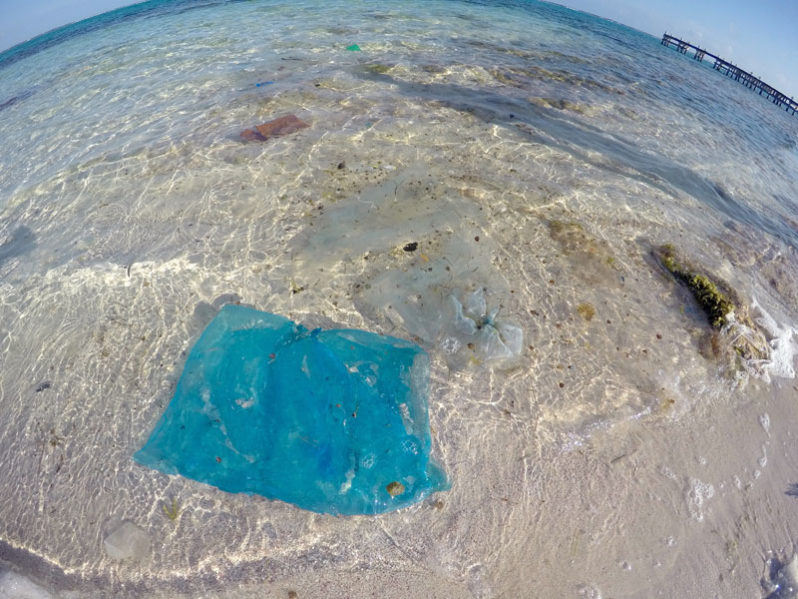
“The unprecedented plastic waste tide plaguing our oceans and shores, can become as limited as our chosen relationship with plastics, which involves a dramatic behavioral change on our part…”Captions and Photograph: © SAF — Coastal Care Excerpts; Often described as the world’s number one consumer product, as well as the most ubiquitous, shopping bags are […]
Historic floods reveal how salt marshes can protect us

By digging into major historic records of flood disasters, a research team reveals that the value of nature for flood defense has actually been evident for hundreds of years.
A supertanker full of crude oil decaying amid Yemen’s civil war could blow up
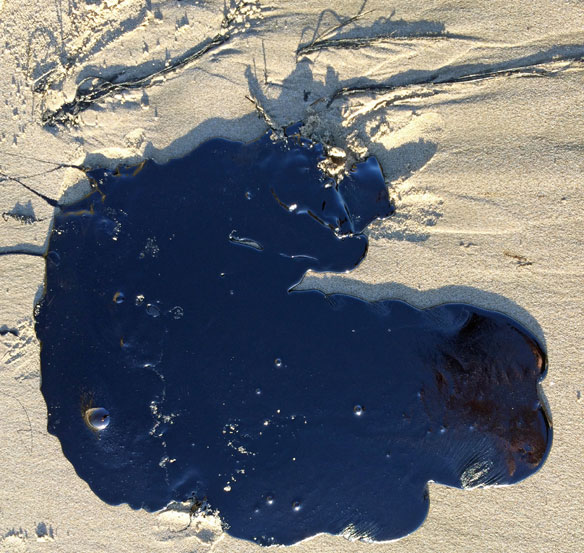
Yemen’s raging civil war has created a ticking time bomb just off the country’s Red Sea coast. The FSO Safer, a 45-year-old supertanker loaded with more than 1 million barrels of crude oil has been caught between the warring sides and left to decay.
Surfing is biomechanically perfect

Nowadays, among all the activities available to modern humans, surfing is among the best for body and soul. Here are some reasons why.
Deadlocked: economics versus the environment at New Zealand’s NZ$1bn sand mining project
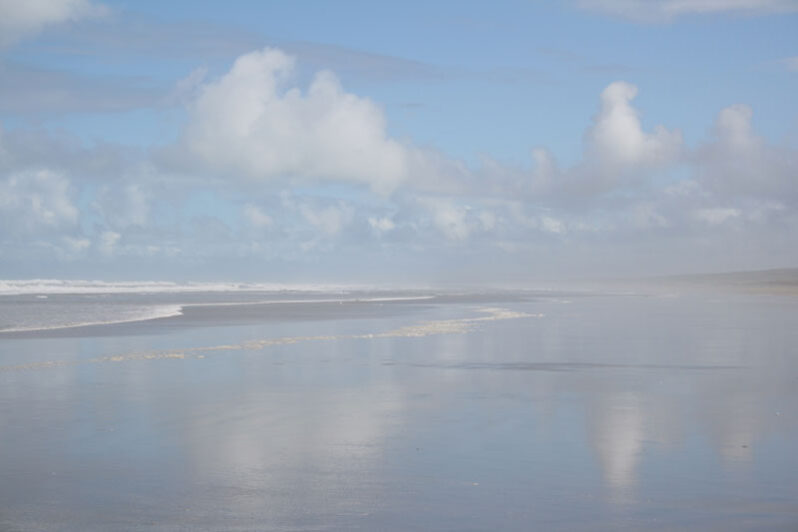
Trans-Tasman Resources has been involved in a protracted legal battle over a proposed sand mining project off the New Zealand coast, which would see 50 million tonnes of sediment lifted and processed a year to mine for iron ore beneath the waves.
Illegal sand mining a deadly beat for India’s journalists

The recent killing of a reporter in India’s Uttar Pradesh state has exposed the dangers for journalists covering illegal sand mining and construction in the country. The sand mining industry is laden with corruption, and this puts journalists who cover the topic at an increased danger.
We need to adapt fast to erosion and rising sea levels to manage coastal risks
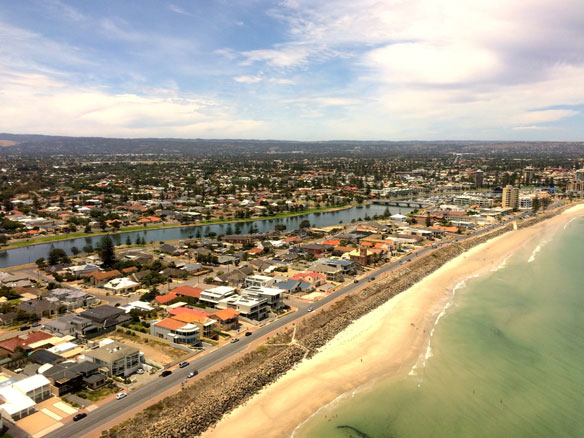
The impact of rising sea levels and coastal erosion will see shorelines retreat steadily and provide major challenges for planning authorities, according to a new research.