
Global trade in soy has major implications for climate
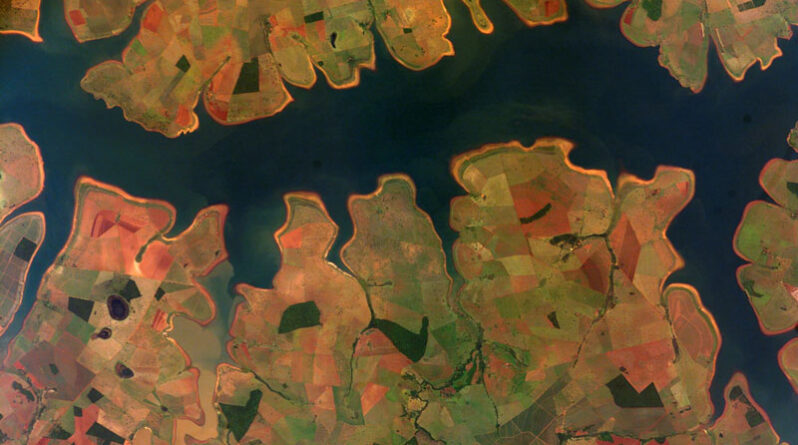
Global soy trade is a major source of greenhouse gas emissions for multiple reasons. The conversion of natural vegetation into arable land is probably the most important cause, but greenhouse gases are also released during the harvesting, the processing into derived products, the subsequent transport to ports of export and shipment.
California’s critical kelp forests are disappearing in a warming world. Can they be saved?
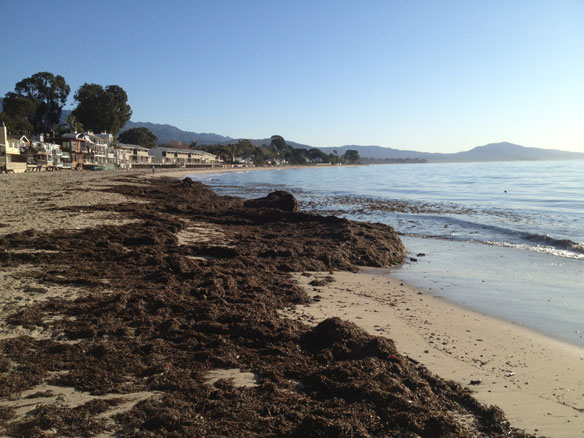
The “sequoias of the sea” suck up carbon and shelter special species. They’ve been hit hard, but scientists, surfers, and more are banding together to save them.
Fortress Charleston: Will Walling Off the City Hold Back the Waters?
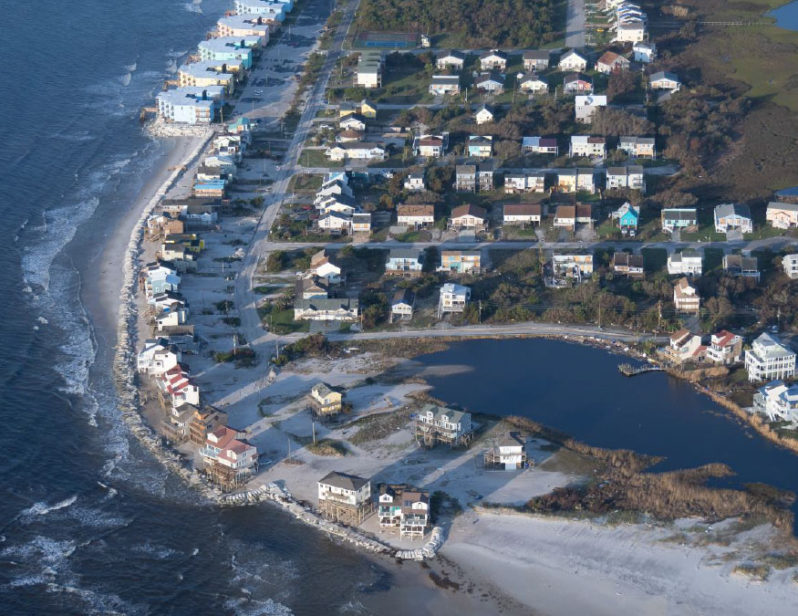
Officials in Charleston, South Carolina have endorsed a $2 billion plan to wall off the historic downtown from rising seas and surging storms. It is the latest in a growing number of extravagantly expensive seawalls and barriers being proposed to defend U.S. coastal cities.
The world is paying a high price for cheap clothes
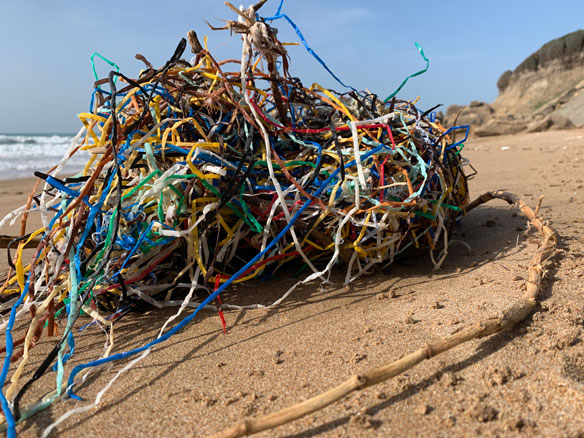
The global fashion industry generates a huge amount of waste – one full garbage truck of clothes is burned or sent to a landfill every second, and, 60% of materials used by the industry are plastic fibers – the equivalent of 50 billion plastic bottles are leaked into the ocean through garment wash every year.
Research shows how park-like tsunami defenses can provide a sustainable alternative to towering seawalls
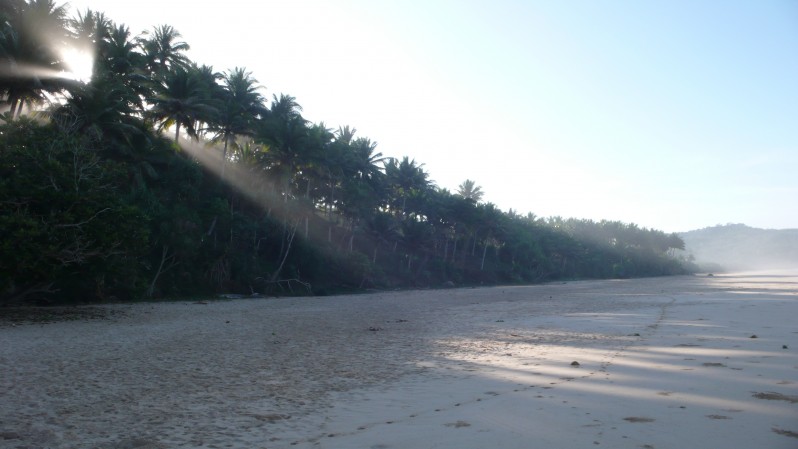
Giant seawalls are the conventional approach to mitigating tsunami risk. But, coastal forests can help put the brakes on tsunami flow speeds in costal communities. These and other nature-based solutions are increasingly important in plans for coastal risk management, researchers demonstrated.
The power of trees
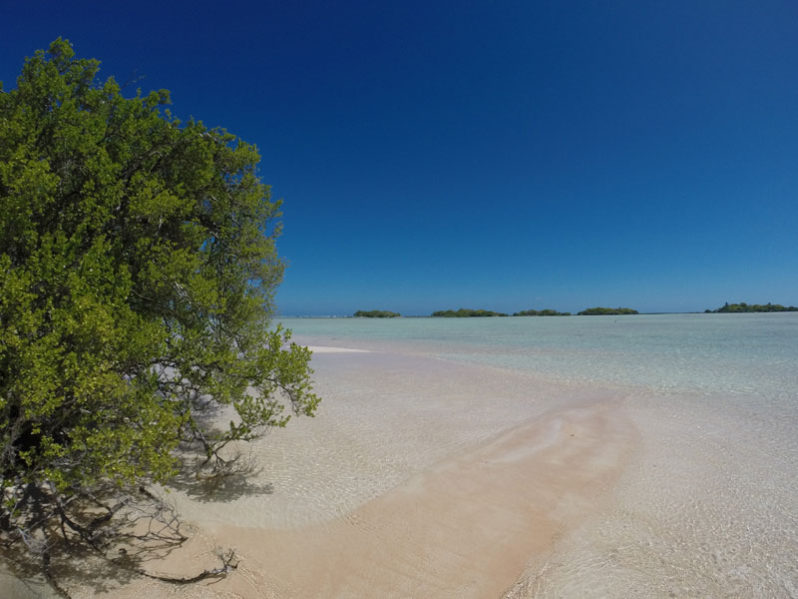
A group of researchers documented how coastal areas protected by the presence of wide belts of mangrove trees, are better protected against losses, and their economies rebound more quickly.
Scientists find highest ever level of microplastics on seafloor
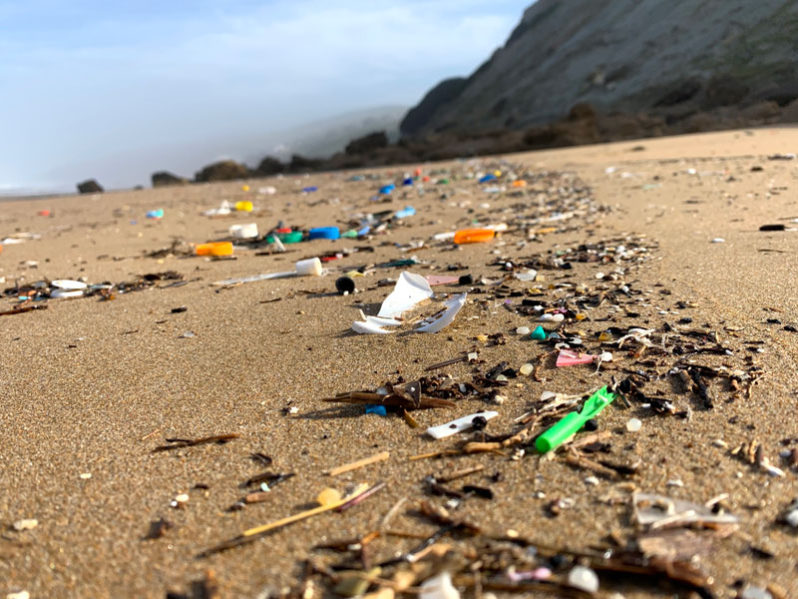
An international research project has revealed the highest levels of microplastic ever recorded on the seafloor, with up to 1.9 million pieces in a thin layer covering just 1 square meter. The hotspots appear to be the deep-sea equivalents of the so-called ‘garbage patches’ formed by currents on the ocean surface.
Rays, sharks, and dolphins enjoy new freedom as humans retreat from the oceans
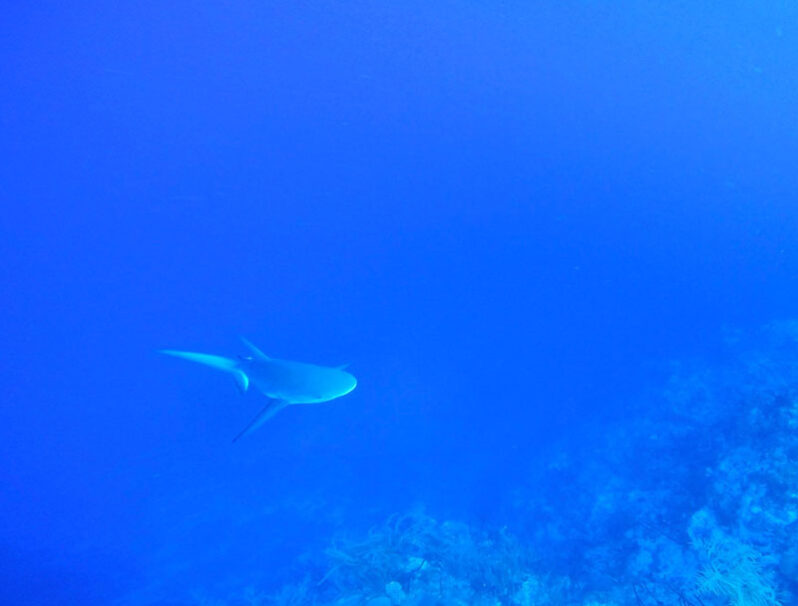
The sightings of rays, sharks, and dolphins are welcome and have been particularly noticeable along the Emirati coastline in recent weeks, as wildlife is taking the opportunity to fill abandoned spaces.
Wild animals enjoy freedom of a quieter world
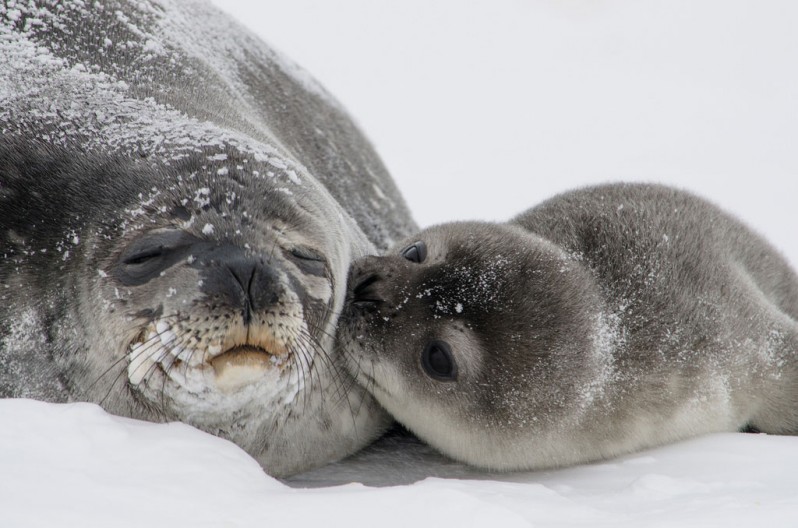
Coronavirus lockdowns globally have given parts of the natural world a rare opportunity to experience life with hardly any humans around.